


Symptoms, treatments and recommendations for treating rust
Rust
Uromyces Sp.
Pathogen:
Type:
Fungus
Risk:
INTERMEDIATE
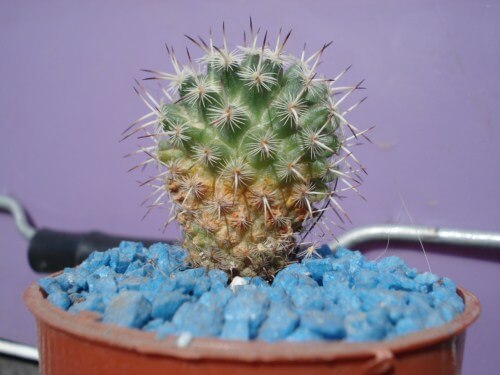
Cactus
Royas


WHO CAUSES IT?
Uromyces sp. It is a genus of phytopathogenic fungi that affects various plants, including cacti. These fungi produce spores that spread through air and water, infecting host plants. Uromyces sp. It begins its infectious cycle when the spores germinate in conditions of adequate humidity, producing a germ tube that penetrates the cuticle of the cactus. Once inside, the fungus forms haustoria that invade the plant cells, absorbing nutrients and weakening the host. As the infection progresses, the fungus develops reproductive structures called uredinium, which emerge through the epidermis of the cactus, releasing new spores into the environment to continue the infectious cycle. These spores can survive in soil or plant debris, waiting for favorable conditions to initiate new infections.

SYMPTOMS
Rust caused by Uromyces sp. In cacti it manifests itself as reddish or brown pustules on the surface of the plant, which eventually rupture releasing spores. These pustules can affect the photosynthetic capacity of the cactus and cause a general weakening of the plant, reducing its vigor and resistance to other diseases.
- Appearance of reddish or brown pustules on the surface of the cactus.
- Deformation and cracking of the epidermis in the affected areas.
- Chlorosis around the pustules.
- Reduction in the growth and vigor of the cactus.
- Greater susceptibility to other infections due to the weakening of the plant.
- Loss of turgor in the affected areas.


TEMPERATURE AND HUMIDITY
15°C a 25°C
70% a 90%

TRANSMISSION ROUTES
Air, Irrigation water, Infected tools, Infected plant remains, Contaminated soil
Do you want to remove this disease? Choose how you want to treat it.

TREATMENTS
Chemical treatments
• AZOXISTROBIN 25% [SC] P/V
Authorized treatments in organic farming
-
Biological control
-
Recommendations
- Maintain good ventilation around the cacti to reduce humidity and prevent spore germination.
- Avoid sprinkler irrigation that can wet the surface of the cacti, opting for drip irrigation.
- Regularly inspect cacti and immediately remove any affected parts to prevent the spread of the disease.
- Apply specific preventive and curative fungicides for rust, following the manufacturer's recommendations.
- Clean and disinfect gardening tools before and after using them on different plants.
- Avoid overcrowding of plants to reduce humidity and improve air circulation.
- Use rust-resistant varieties of cacti if available.
- Rotate crops and avoid planting cacti in soil previously infected by rust.
- Remove and destroy the remains of infected plants to reduce the source of spores.
- Monitor environmental conditions and adjust crop management to minimize periods of high humidity.





*The recommended treatments are recommendations based on the authorities' databases and do not replace in any way the guidelines established by the legislation of each country.
*Products shown are recommendations and not our own products. As Amazon Associates, we earn revenue from purchases of recommended products.

TREATMENTS
Homemade remedies
There are no home treatments
Natural allies
Chemical treatments
There are no treatments for this disease. Treatments are directed at the insect vectors that transmit it. See insect treatments.

RECOMMENDATIONS

REPELLENT PLANTS
EFFECTIVE PRODUCTS TO ELIMINATE THIS DISEASE
*The recommended treatments are recommendations based on the authorities' databases and do not replace in any way the guidelines established by the legislation of each country.
*Products shown are recommendations and not our own products. As Amazon Associates, we earn revenue from purchases of recommended products.



Explore more tools
Services
Contact
Legal
©2026 by ZERIMAR S.A.R.L. All rights reserved