

Chard Pox
Cercospora Beticola
Pathogen:
Type:
Fungus
Risk:
HIGH

Acelga
Cercosporosis


WHO CAUSES IT?
Cercospora beticola is a phytopathogenic fungus that causes the disease known as leaf spot of beet or chard. This pathogen is especially harmful to sugar beet crops, as well as other plants in the chenopodiaceae family, such as chard. It is characterized by its ability to survive in crop residues and infected seeds, as well as its rapid dispersal through spores transported by wind and water.
.png)
SYMPTOMS
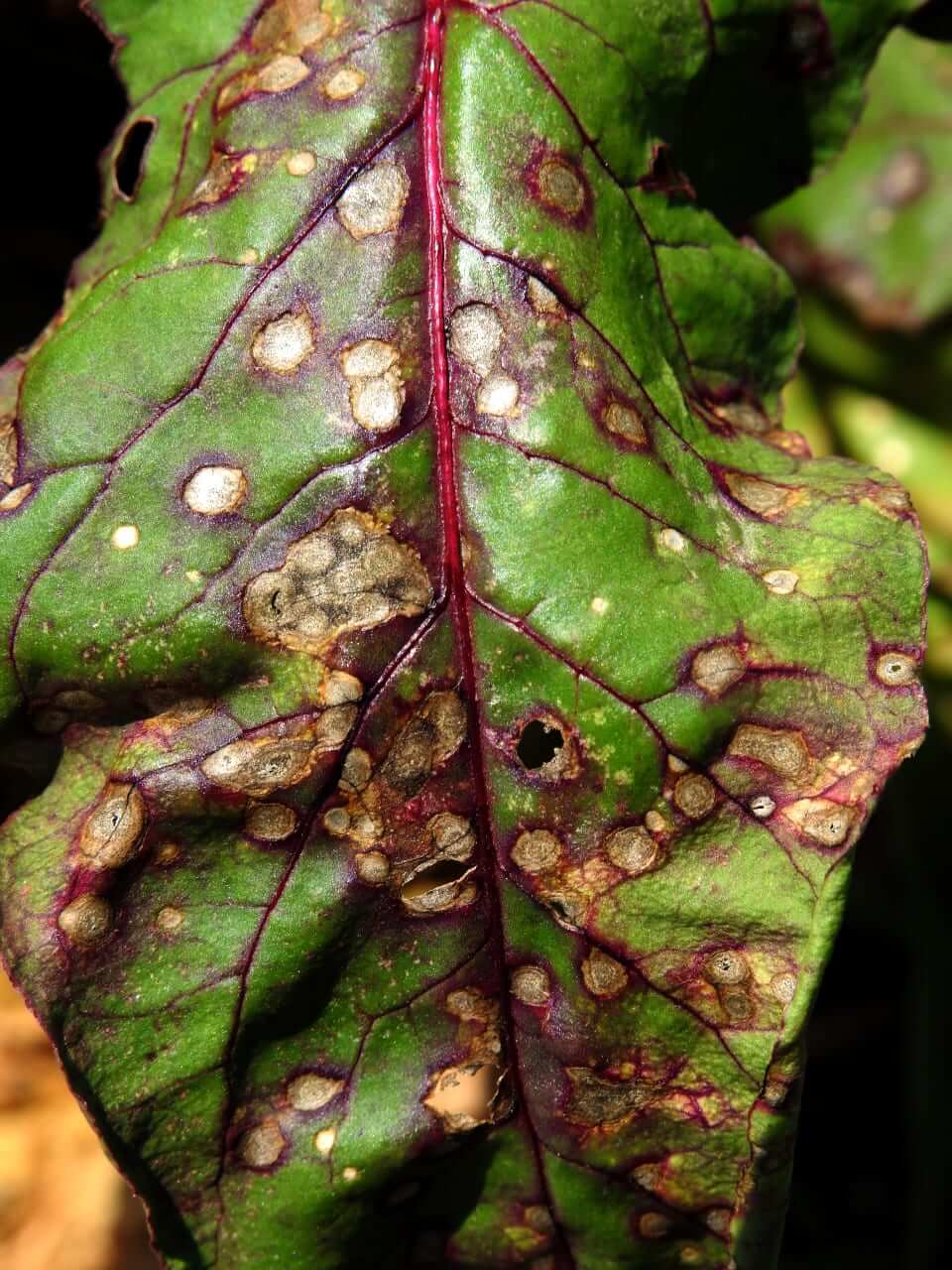
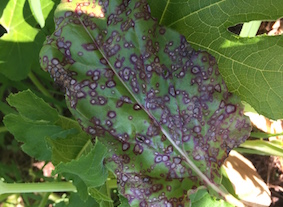
The disease caused by Cercospora beticola in chard manifests itself as circular or angular Taches on the leaves, which are initially light brown and then turn white to gray with a reddish edge. As the disease progresses, these Taches can merge, causing wilting and necrosis of the leaves, significantly affecting yield and crop quality.


TEMPERATURE AND HUMIDITY
20ºC - 25ºC
80% - 95%

TRANSMISSION ROUTES
Infected plants, the spread of spores by wind, contaminated irrigation water, the use of infected seeds and the activity of insect vectors.
Do you want to remove this disease? Choose how you want to treat it.

TREATMENTS
Chemical treatments
• AZOXISTROBIN 25% [SC] P/V
• CUPRIC HYDROXIDE 13.6% (EXPR. IN CU) + COPPER OXYCHLORIDE 13.6% (EXPR. IN CU) [SC] P/V
Authorized treatments in organic farming
• CUPRIC HYDROXIDE 13.6% (EXPR. IN CU) + COPPER OXYCHLORIDE 13.6% (EXPR. IN CU) [SC] P/V
Biological control
• BACILLUS SUBTILIS (STRAIN QST 713) 1.34% [SC] P/V
Recommendations
To prevent and control leaf spot caused by Cercospora beticola, it is essential to implement integrated pest management practices. This includes rotating crops to reduce spore buildup in the soil, removing infected crop residue, using resistant varieties where possible, and controlling weeds to improve air circulation and reduce humidity. In addition, the use of specific fungicides can be effective in controlling the disease, although they must be applied preventively and following the dosage recommendations to avoid pathogen resistance.
Sponsored link
Sponsored link
Sponsored link


Sponsored link
Sponsored link
Sponsored link
Sponsored link


Sponsored link
Sponsored link
Effective against all types of fungi

Sponsored link
Sponsored link


Sponsored link
Sponsored link

Sponsored link
Sponsored link


Sponsored link
*The recommended treatments are recommendations based on the authorities' databases and do not replace in any way the guidelines established by the legislation of each country.
*Products shown are recommendations and not our own products. As Amazon Associates, we earn revenue from purchases of recommended products.

TREATMENTS
Homemade remedies
There are no home treatments
Natural allies
Chemical treatments
There are no treatments for this disease. Treatments are directed at the insect vectors that transmit it. See insect treatments.

RECOMMENDATIONS

REPELLENT PLANTS
EFFECTIVE PRODUCTS TO ELIMINATE THIS DISEASE
Sponsored link
Sponsored link
Sponsored link
Sponsored link
Sponsored link
Sponsored link
Sponsored link
Sponsored link
Sponsored link
Effective against all types of fungi
Sponsored link
Sponsored link
Sponsored link
Sponsored link
Sponsored link
Sponsored link
Sponsored link
*The recommended treatments are recommendations based on the authorities' databases and do not replace in any way the guidelines established by the legislation of each country.
*Products shown are recommendations and not our own products. As Amazon Associates, we earn revenue from purchases of recommended products.

Enjoy idMicrobe TOTALLY FREE, with no trial periods.


