


Symptoms, treatments, and recommendations for treating shark virus
Sharka Virus
Plum Pox Virus (Ppv)
Pathogen:
Type:
Virus
Risk:
CRITICAL
Albaricoque
Virus

WHO CAUSES IT?
Plum pox virus (PPV), also known as Sharka virus, is a member of the genus Potyvirus within the family Potyviridae. This virus mainly affects species of the genus Prunus, including the apricot tree. PPV is characterized by its filamentous structure and its genome composed of single-stranded RNA and positive polarity. Infection begins when the virus is introduced into the cells of the apricot tree by vectors such as aphids. Once inside the host cell, the PPV genome is translated into proteins that facilitate virus replication and the production of new viral particles. These particles are transported through the phloem to different parts of the plant, where they continue to infect new cells and tissues. The spread of the virus within the plant and between plants is facilitated by insect vectors and by infected plant material, such as grafts or cuttings. The virus can remain latent in the plant for long periods, reactivating under favorable conditions, which contributes to its persistence and dissemination in crops.

SYMPTOMS
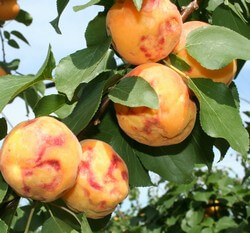
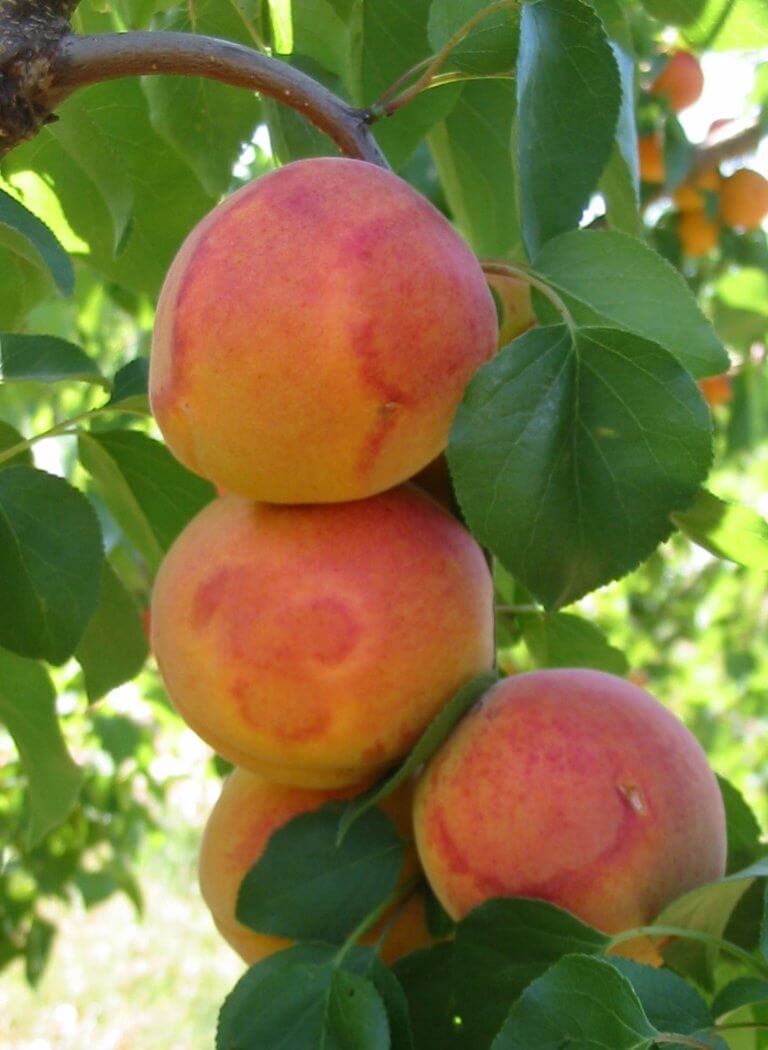
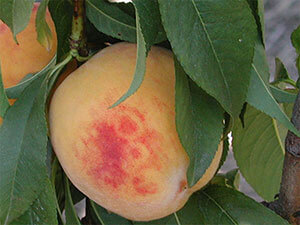
The disease known as Sharka virus, caused by the Plum pox virus, severely affects apricot trees, compromising both the quality and quantity of production. The first symptoms usually appear on the leaves, where chlorotic Taches and necrotic rings are observed that spread over time. As the infection progresses, the fruits are also affected, showing characteristic deformations and Taches that reduce their commercial value. In advanced stages, the disease can seriously weaken the plant, affecting its vigor and production capacity.
- Chlorotic Taches on the leaves.
- Necrotic rings on the leaves.
- Deformations in the fruits.
- Taches on the fruits.
- Reduction in fruit size.
- Lower quality of the pulp.
- Premature loss of leaves and fruits.
- General weakening of the plant.


TEMPERATURE AND HUMIDITY
18-25°C
60-80%

TRANSMISSION ROUTES
Aphids, Infected plant material, Grafts, Cuttings, Contaminated tools
Do you want to remove this disease? Choose how you want to treat it.

TREATMENTS
Chemical treatments
There are no effective treatments against viruses, the treatments are focused on combating the insect or vector carrying the virus (SEE AVAILABLE TREATMENTS AGAINST INSECTS)
Authorized treatments in organic farming
There are no effective treatments against viruses, the treatments are focused on combating the insect or vector carrying the virus (SEE AVAILABLE TREATMENTS AGAINST INSECTS)
Biological control
-
Recommendations
- Use varieties of apricot trees resistant to PPV.
- Implement control and monitoring programs for aphid vectors.
- Apply specific insecticides to reduce the aphid population during the growing season.
- Eliminate and destroy infected plants to reduce the source of inoculum.
- Carry out regular analyzes of cultures to detect the presence of the virus in early stages.
- Ensure cleaning and disinfection of pruning tools and other agricultural equipment.
- Avoid the use of plant material of unknown or uncertified origin.
- Promote healthy agricultural practices that increase the natural resistance of plants.





*The recommended treatments are recommendations based on the authorities' databases and do not replace in any way the guidelines established by the legislation of each country.
*Products shown are recommendations and not our own products. As Amazon Associates, we earn revenue from purchases of recommended products.

TREATMENTS
Homemade remedies
There are no home treatments
Natural allies
Chemical treatments
There are no treatments for this disease. Treatments are directed at the insect vectors that transmit it. See insect treatments.

RECOMMENDATIONS

REPELLENT PLANTS
EFFECTIVE PRODUCTS TO ELIMINATE THIS DISEASE
*The recommended treatments are recommendations based on the authorities' databases and do not replace in any way the guidelines established by the legislation of each country.
*Products shown are recommendations and not our own products. As Amazon Associates, we earn revenue from purchases of recommended products.



Explore more tools
Services
Contact
Legal
©2026 by ZERIMAR S.A.R.L. All rights reserved