


Symptoms, treatments, and recommendations for treating cucumber mosaic virus
Cucumber Mosaic Virus
Virus Cmv
Pathogen:
Type:
Virus
Risk:
HIGH
Calabaza
Virus

WHO CAUSES IT?
Cucumber Mosaic Virus (CMV) belongs to the Cucumovirus genus and is one of the most widely distributed and devastating viruses for crop plants. This virus has an isometric particle structure and its genome is composed of single-stranded RNA divided into three segments. CMV is transmitted by more than 80 species of aphids in a non-persistent mode. This means that aphids can acquire the virus within a few seconds while feeding on an infected plant and transmit it to a healthy plant during their first feedings. Once the virus enters the plant, it replicates in the cytoplasm of plant cells. Viral replication interferes with normal cell functions, causing visible symptoms in the plant. The virus moves through the phloem, distributing throughout the plant and causing a variety of symptoms that negatively affect plant health and performance.

SYMPTOMS
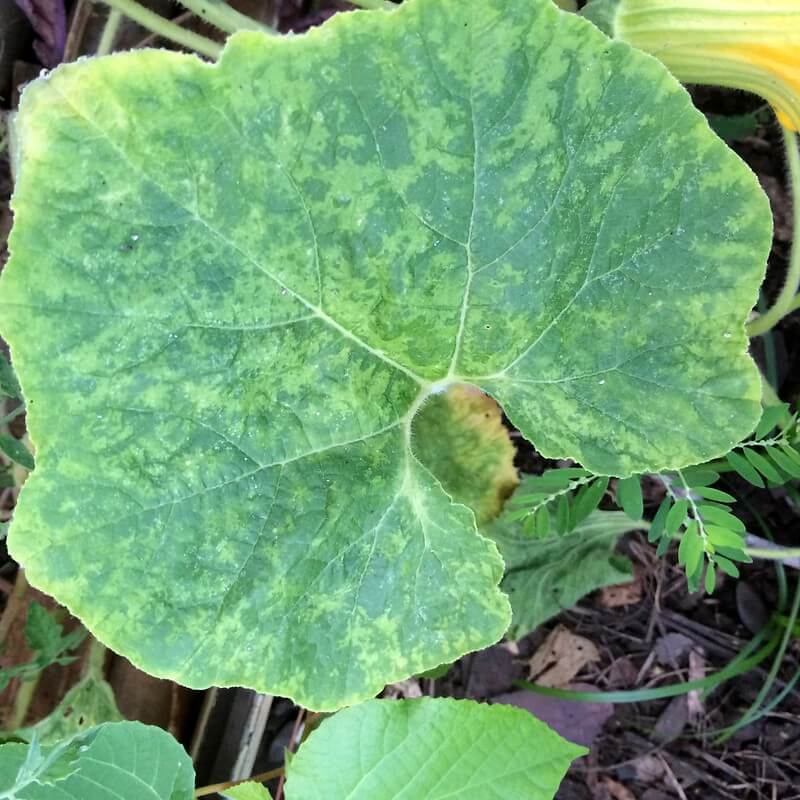
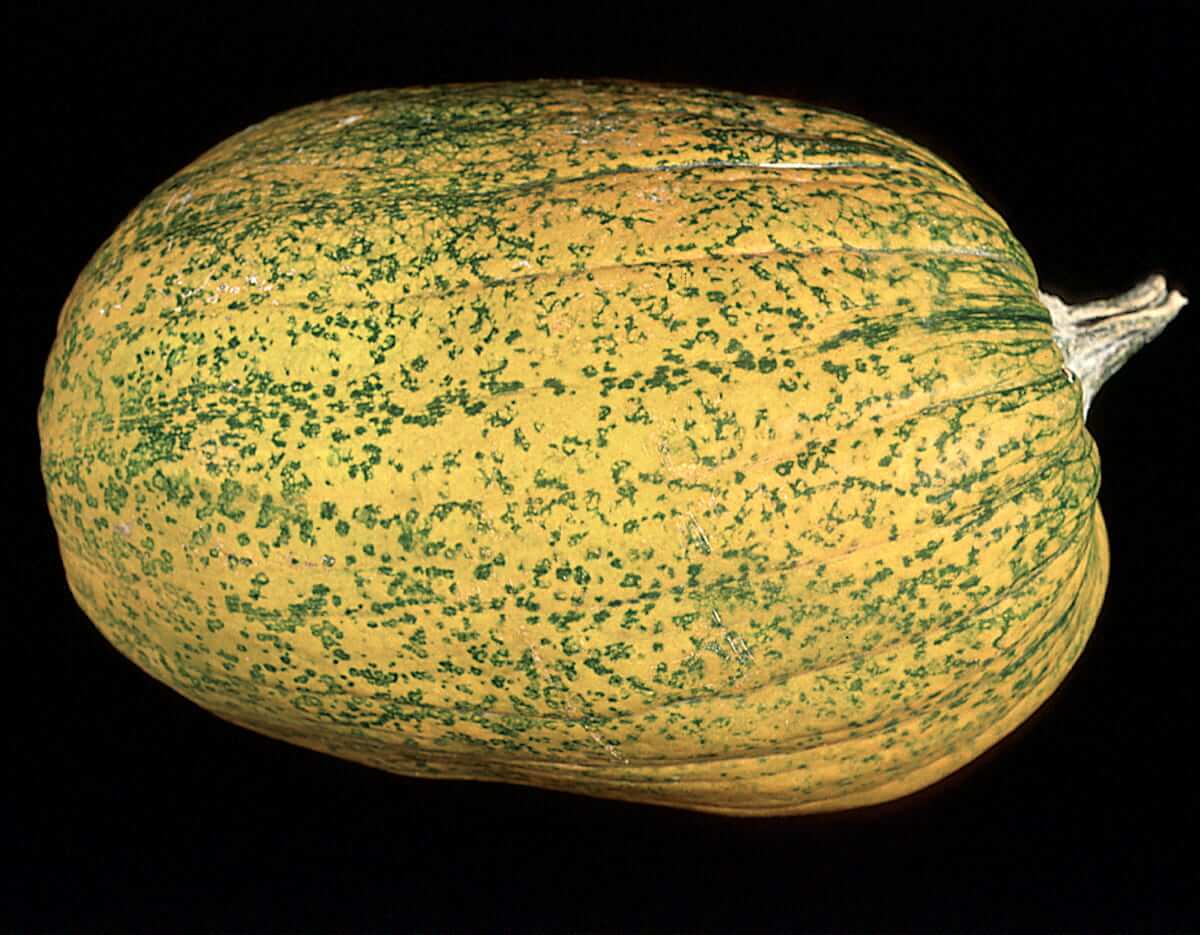
In squash, Cucumber Mosaic Virus can cause a disease that severely impacts plant health and fruit production. Symptoms can vary depending on the virus strain, plant condition, and environmental conditions, but generally include a combination of discolorations and deformations on leaves and fruits.
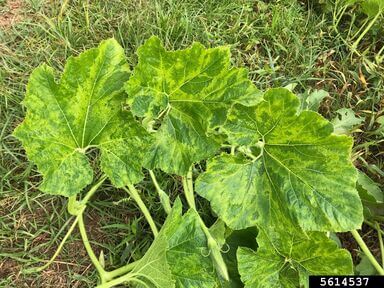
- Mosaic of light and dark green colors on the leaves.
- Deformation and wrinkling of the leaves.
- Dwarfism and stunted plant growth.
- Chlorotic rings or Taches on the fruits.
- Reduction in the quantity and quality of the fruits produced.
- Necrosis on severely affected stems and leaves.


TEMPERATURE AND HUMIDITY
20°C - 30°C
60% - 80%

TRANSMISSION ROUTES
Aphids, contaminated tools, mechanical contact, infected plants, host weeds
Do you want to remove this disease? Choose how you want to treat it.

TREATMENTS
Chemical treatments
There are no effective treatments against viruses, the treatments are focused on combating the insect or vector carrying the virus (SEE AVAILABLE TREATMENTS AGAINST INSECTS)
Authorized treatments in organic farming
There are no effective treatments against viruses, the treatments are focused on combating the insect or vector carrying the virus (SEE AVAILABLE TREATMENTS AGAINST INSECTS)
Biological control
-
Recommendations
- Use varieties resistant or tolerant to CMV whenever possible.
- Implement effective control of aphid populations through the use of specific insecticides and promoting the presence of natural enemies of aphids.
- Practice crop rotation with plants not susceptible to CMV to reduce the accumulation of the virus in the soil.
- Remove and destroy infected plants as soon as they are detected to prevent the spread of the virus to healthy plants.
- Keep the field and its surroundings free of weeds that can act as reservoirs for the virus and aphids.
- Use physical barriers, such as anti-insect mesh, to protect crops from aphid infestation.
- Regularly disinfect agricultural tools and equipment to prevent mechanical transmission of the virus.
- Frequently monitor plantations to detect the presence of aphids and viral symptoms early.
- Apply cultural management practices that promote the health and vigor of plants, such as balanced fertilization and adequate irrigation.





*The recommended treatments are recommendations based on the authorities' databases and do not replace in any way the guidelines established by the legislation of each country.
*Products shown are recommendations and not our own products. As Amazon Associates, we earn revenue from purchases of recommended products.

TREATMENTS
Homemade remedies
There are no home treatments
Natural allies
Chemical treatments
There are no treatments for this disease. Treatments are directed at the insect vectors that transmit it. See insect treatments.

RECOMMENDATIONS

REPELLENT PLANTS
EFFECTIVE PRODUCTS TO ELIMINATE THIS DISEASE
*The recommended treatments are recommendations based on the authorities' databases and do not replace in any way the guidelines established by the legislation of each country.
*Products shown are recommendations and not our own products. As Amazon Associates, we earn revenue from purchases of recommended products.



Explore more tools
Services
Contact
Legal
©2026 by ZERIMAR S.A.R.L. All rights reserved