


Symptoms, treatments, and recommendations for treating Xylella or olive Ebola
Xylella Or Olive Ebola
Xylella Fastidiosa
Pathogen:
Type:
Bacterium
Risk:
CRITICAL
Olivo
Virus

WHO CAUSES IT?
Xylella fastidiosa is a phytopathogenic bacteria that affects a variety of plants, including the olive tree. This bacteria spreads mainly through insect vectors such as leafhoppers, which feed on plant sap and can transmit the bacteria from one plant to another. Once in the plant, Xylella fastidiosa colonizes the vascular system, blocking the vessels that conduct water and nutrients. This leads to the appearance of water stress symptoms and can ultimately cause plant death.

SYMPTOMS
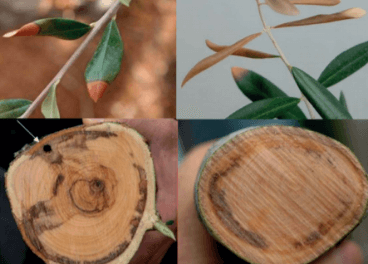
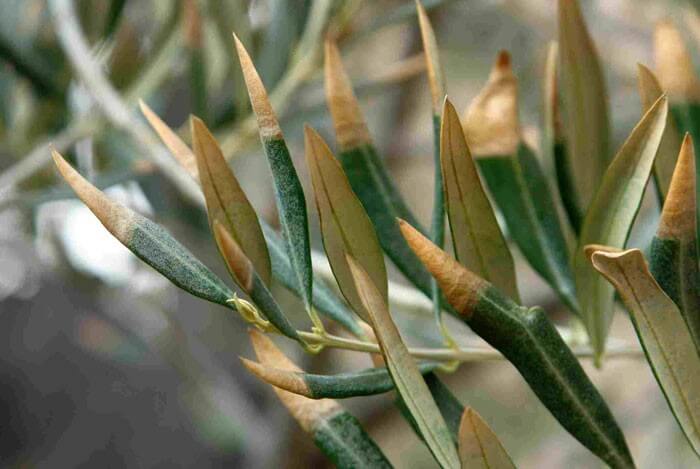
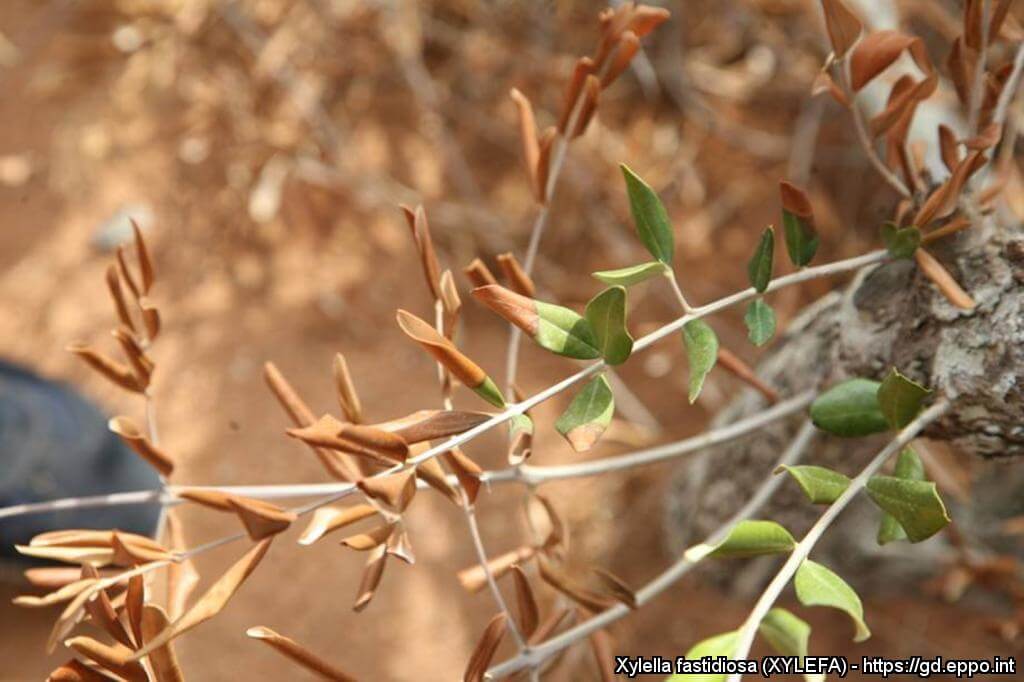
The disease known as Xylella or olive ebola is caused by the infection of Xylella fastidiosa in olive trees. Symptoms of the disease include wilting and dieback of branches, leaf necrosis, premature leaf drop, and reduced olive production. As the disease progresses, it can cause complete death of the tree.
• Wilting and dieback of branches.
• Leaf necrosis, especially on the edges of the leaves.
• Premature fall of leaves.
• Reduction in olive production.
• Total death of the tree in severe cases.


TEMPERATURE AND HUMIDITY
20°C - 30°C
40% - 80%

TRANSMISSION ROUTES
Vectors insects, contaminated tools, movement of infected plants.
Do you want to remove this disease? Choose how you want to treat it.

TREATMENTS
Chemical treatments
There are no effective treatments against this pest. It is recommended to remove infected plants and nearby plants to prevent spread. As well as putting measures to control insect vectors.
Authorized treatments in organic farming
There are no effective treatments against this pest. It is recommended to remove infected plants and nearby plants to prevent spread. As well as putting measures to control insect vectors.
Biological control
-
Recommendations
• Regularly monitor plants for early signs of infection.
• Remove and destroy infected plants to prevent spread.
• Control insect vectors, mainly leafhoppers and cercopids, using specific insecticides or traps.
• Promote biodiversity in the environment to favor the presence of natural enemies of vectors.
• Avoid moving plants from infected areas to disease-free areas.
• Practice biosafety measures, such as disinfecting pruning tools and maintaining hygiene in the field.
• Use of resistant or low susceptibility varieties.





*The recommended treatments are recommendations based on the authorities' databases and do not replace in any way the guidelines established by the legislation of each country.
*Products shown are recommendations and not our own products. As Amazon Associates, we earn revenue from purchases of recommended products.

TREATMENTS
Homemade remedies
There are no home treatments
Natural allies
Chemical treatments
There are no treatments for this disease. Treatments are directed at the insect vectors that transmit it. See insect treatments.

RECOMMENDATIONS

REPELLENT PLANTS
EFFECTIVE PRODUCTS TO ELIMINATE THIS DISEASE
*The recommended treatments are recommendations based on the authorities' databases and do not replace in any way the guidelines established by the legislation of each country.
*Products shown are recommendations and not our own products. As Amazon Associates, we earn revenue from purchases of recommended products.



Explore more tools
Services
Contact
Legal
©2026 by ZERIMAR S.A.R.L. All rights reserved