

Cebolla
How to recognize and combat gray rot in onions
Gray Rot
Fungus
Type:
Risk to the plant:
HIGH
Botrytis Squamosa
Pathogen:
Botrytis


WHO CAUSES IT?
Botrytis squamosa is a phytopathogenic fungus that causes the disease known as gray rot in onions. This fungus can mainly infect the leaves and stems of the plant. It thrives in conditions of high humidity and moderate temperatures, and produces spores that can spread the infection to other nearby plants.
.png)
SYMPTOMS
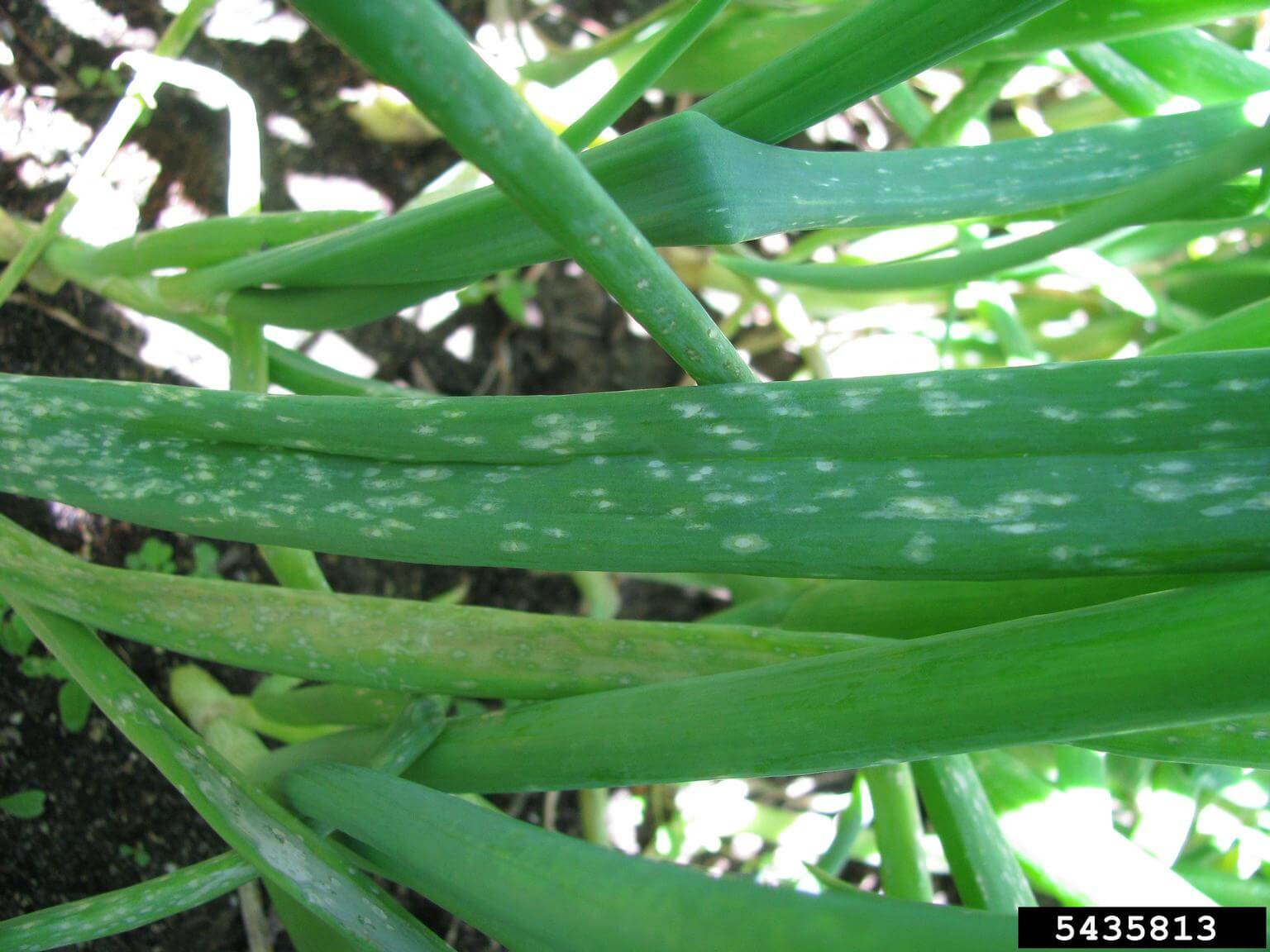
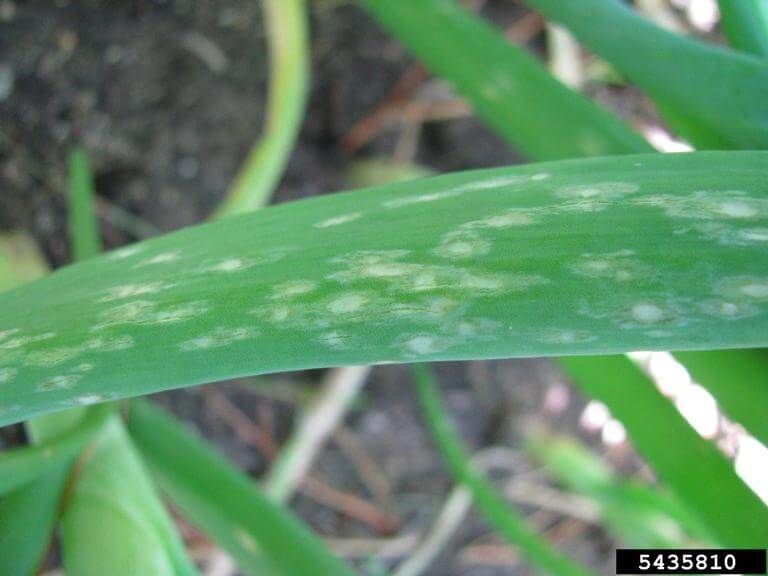
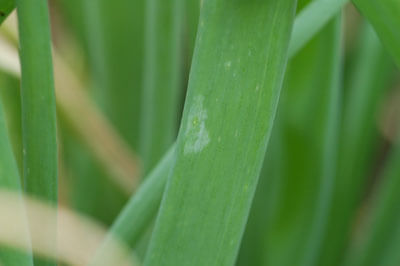
Infection can occur at any stage of growth and usually develops first on older leaves. Initial symptoms appear as white, small (1-5mm), circular or elongated Taches on the upper surface of the leaf. At first, small light-colored dots are seen that later acquire a light green or silver halo that often has a watery appearance. As the disease progresses, the number of lesions increases and the center of the oldest Taches sinks and takes on a dark color. Leaf tips and margins soften and gradually become necrotic, causing wilting and dieback. Under favorable conditions, the disease can also affect the bulb, reducing size and quality.
• Watery Taches on leaves and stems.
• Development of necrotic Taches with a gray center.
• Premature fall of leaves.
• General weakening of the plant.
• Reduction in crop yield.



DEVELOPMENT CONDITIONS
Temperature:
15 ºC - 25ºC
Humidity:
80% - 100%

HOW IS IT SPREAD?
Wind-borne spores, contaminated irrigation water, contaminated pruning tools.

HOW TO ELIMINATE IT?
Home treatments
There are no home treatments
Natural allies
Chemical treatments
There are no treatments for this disease. Treatments are directed at the insect vectors that transmit it. See insect treatments.
RECOMMENDED PRODUCTS TO ELIMINATE THE PEST
Sponsored link

Sponsored link


Sponsored link
Sponsored link
Sponsored link


Sponsored link
Sponsored link
Effective against all types of fungi

Sponsored link


Sponsored link
Sponsored link

Sponsored link


Sponsored link

REPELLENT PLANTS

RECOMMENDATIONS
OTHER PESTS THAT MAY INTEREST YOU


DID YOU LIKE IT?
Now you can always have it on your mobile, without ads and totally FREE. TRY idMicrobe NOW!


