

Remolacha de mesa
How to recognize and combat nematodes in beets
Nematodes
Nematode
Type:
Risk to the plant:
HIGH
Nematodes
Pathogen:
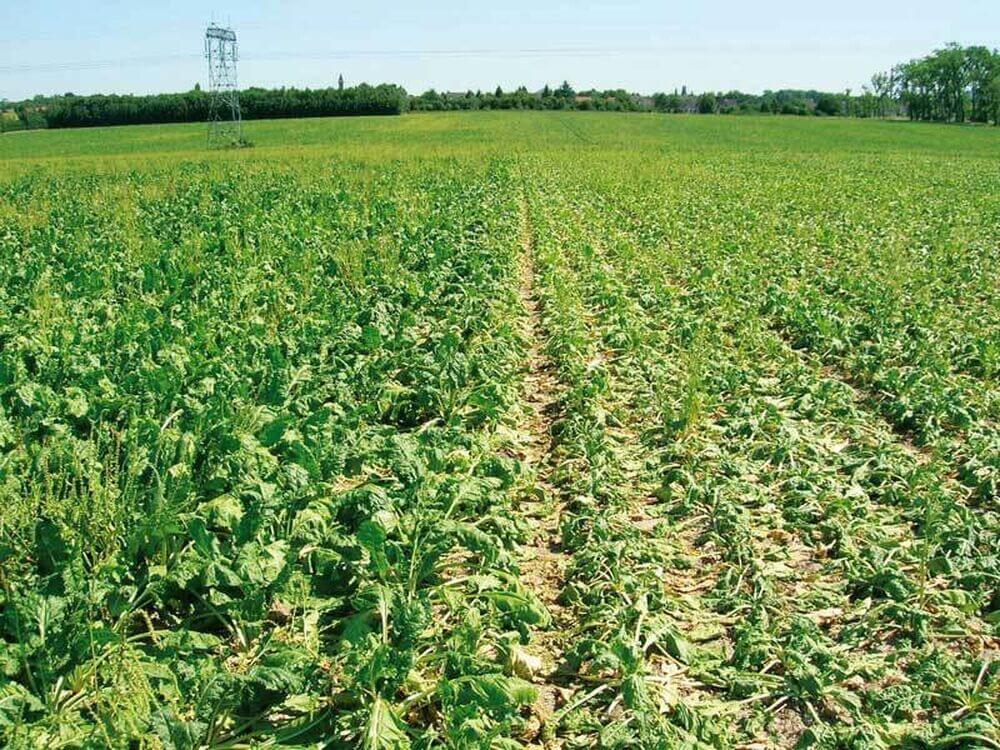
Nematodos


WHO CAUSES IT?
Nematodes are microscopic organisms that belong to the phylum Nematoda. These soil parasites can attack a variety of plants, including beets. Their life cycle begins when the eggs hatch in the soil, releasing larvae that search for roots of host plants. The larvae penetrate the roots, where they feed and develop, causing damage to plant tissues. As they grow, the larvae go through several stages of development until they reach maturity, at which point they reproduce. Females lay their eggs in the roots or surrounding soil, perpetuating the infestation. Nematodes can survive in the soil for long periods in the egg state, allowing them to persist even in the absence of host plants. The ability of these organisms to infest a wide range of plants and their resistance to adverse conditions makes them a significant threat to crops.
.png)
SYMPTOMS
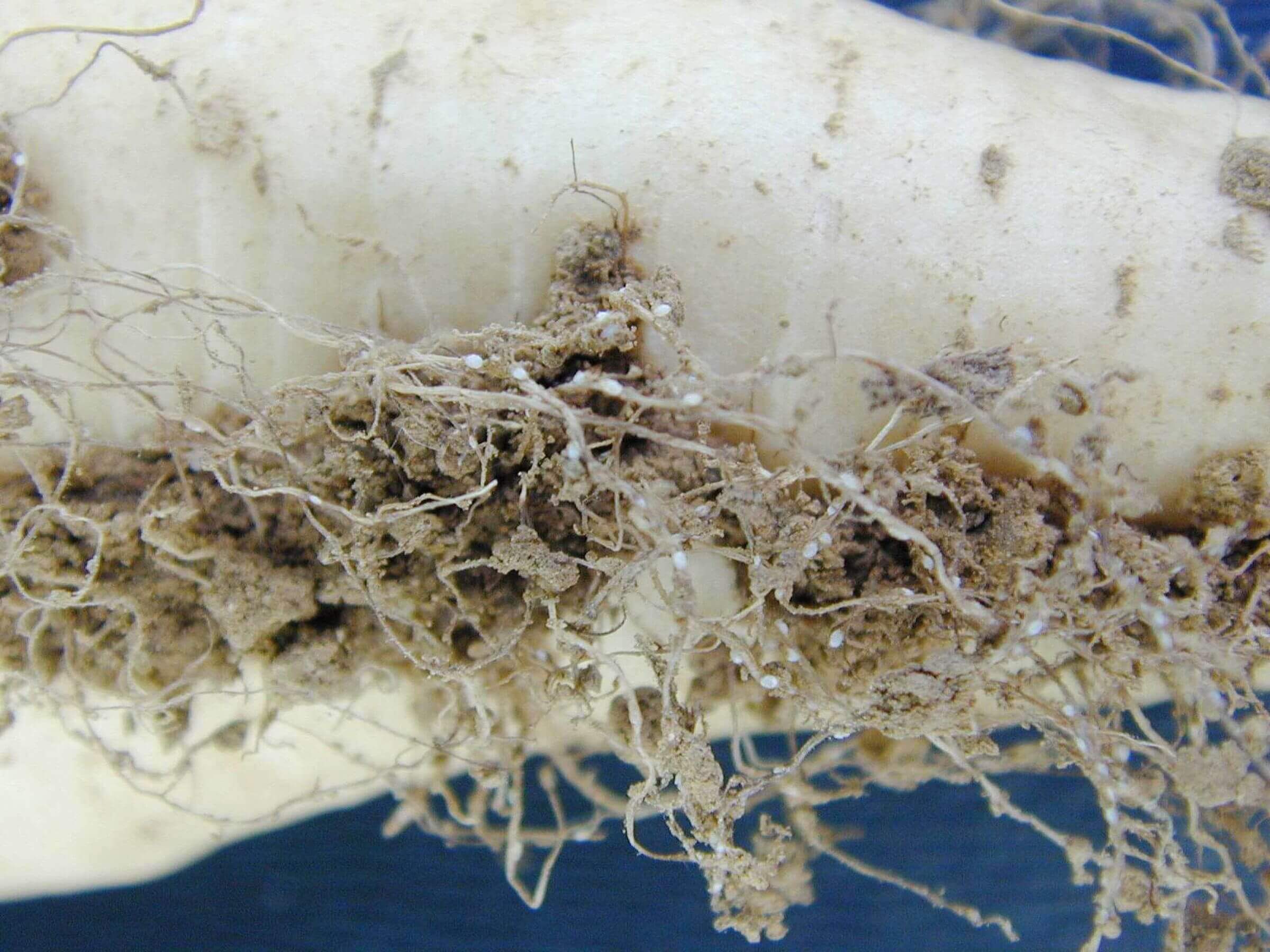
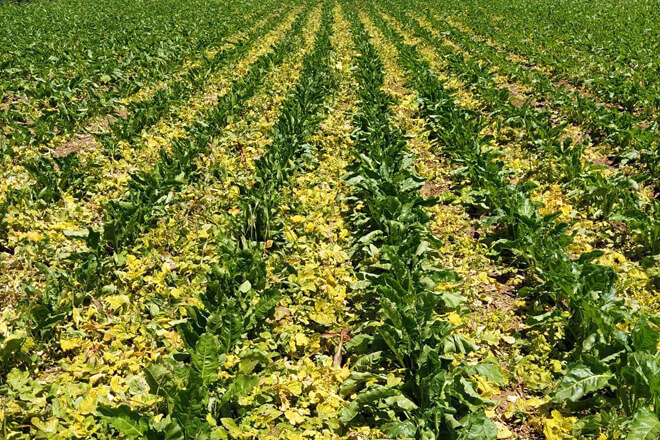
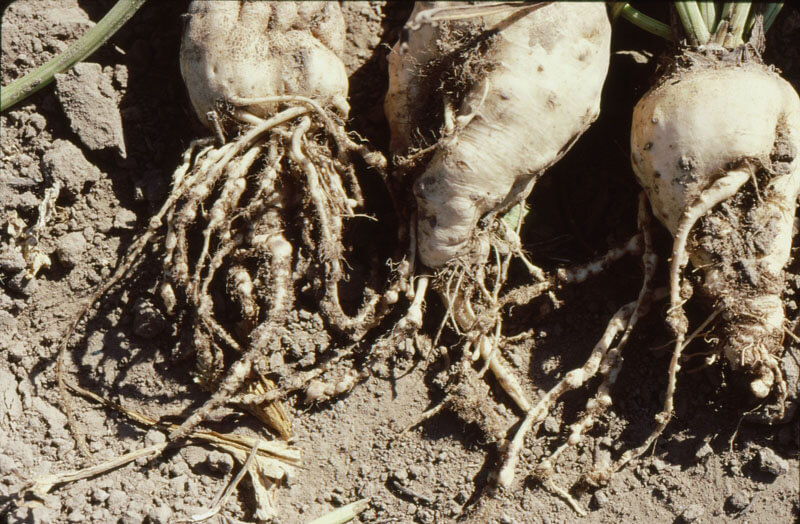
The presence of nematodes in beets causes a disease that seriously affects plant growth and production. Nematodes feed on roots, causing lesions and disturbing the absorption of water and nutrients. This results in a series of symptoms that affect both the aerial and underground parts of the plant, compromising its vigor and performance.
- Swollen or deformed roots
- Discoloration and necrosis of the roots
- Reduction in the size and weight of roots
- Yellowing of the leaves
- Leaf wilting and chlorosis
- Delayed growth
- Lower harvest yield


DEVELOPMENT CONDITIONS
Temperature:
20°C - 30°C
Humidity:
60% - 80%

HOW IS IT SPREAD?
Contaminated soil, irrigation water, agricultural tools, infected plants, contaminated seeds

HOW TO ELIMINATE IT?
Home treatments
There are no home treatments
Natural allies
Chemical treatments
There are no treatments for this disease. Treatments are directed at the insect vectors that transmit it. See insect treatments.
RECOMMENDED PRODUCTS TO ELIMINATE THE PEST
Sponsored link

Sponsored link
Sponsored link


Sponsored link
Sponsored link
Sponsored link
Sponsored link


Sponsored link
Sponsored link
Effective against all types of fungi

Sponsored link
Sponsored link


Sponsored link
Sponsored link

Sponsored link
Sponsored link


Sponsored link

REPELLENT PLANTS

RECOMMENDATIONS
OTHER PESTS THAT MAY INTEREST YOU


DID YOU LIKE IT?
Now you can always have it on your mobile, without ads and totally FREE. TRY idMicrobe NOW!


