

Soja
How to recognize and combat mildew in soybeans
Mildew
Oomycete
Type:
Risk to the plant:
INTERMEDIATE
Peronospora Manshurica
Pathogen:
Mildiu


WHO CAUSES IT?
Downy mildew, caused by the pathogen Peronospora manshurica, is a fungal disease that affects various crops, including soybeans. This fungus is known for its ability to spread rapidly in conditions of high humidity and moderate temperatures, making it a threat to agricultural crops.
.png)
SYMPTOMS
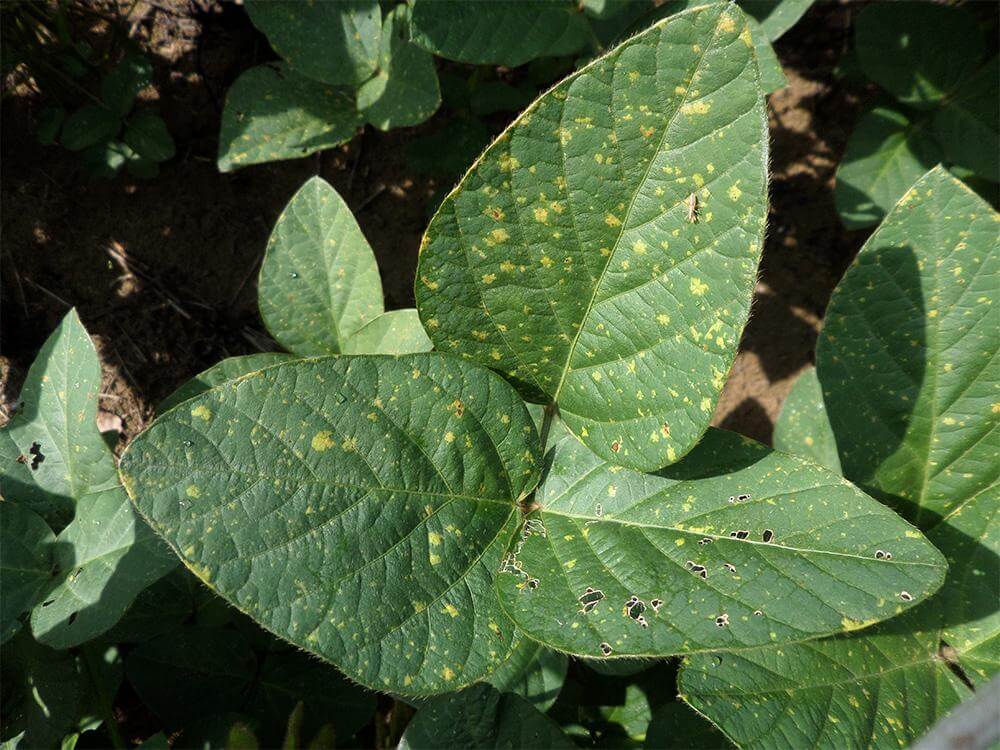
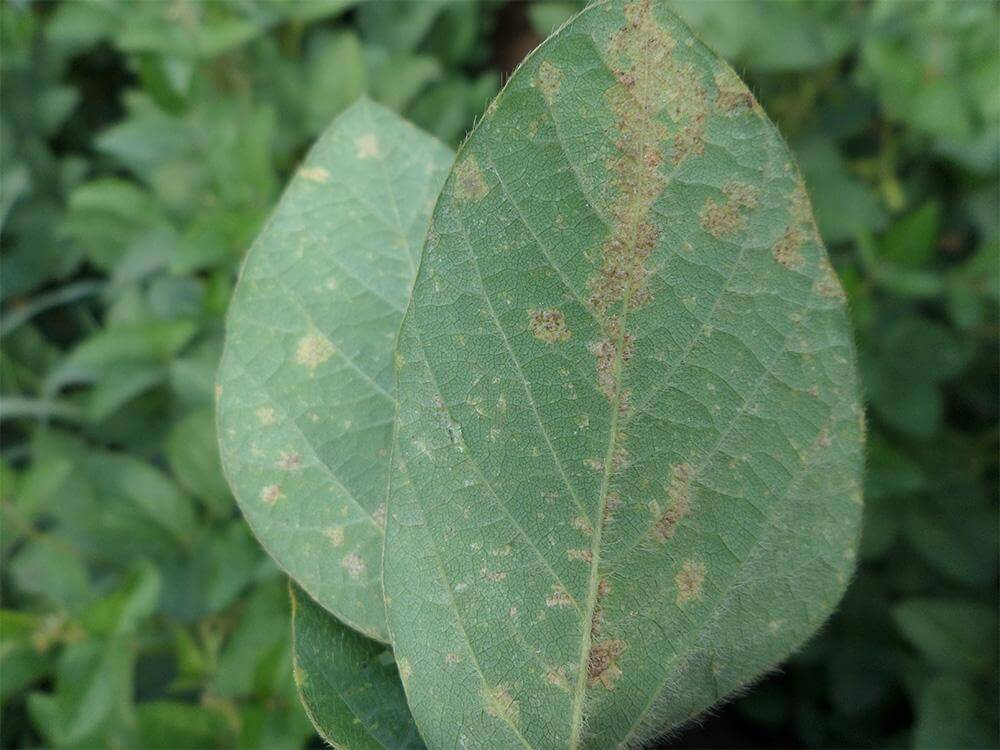
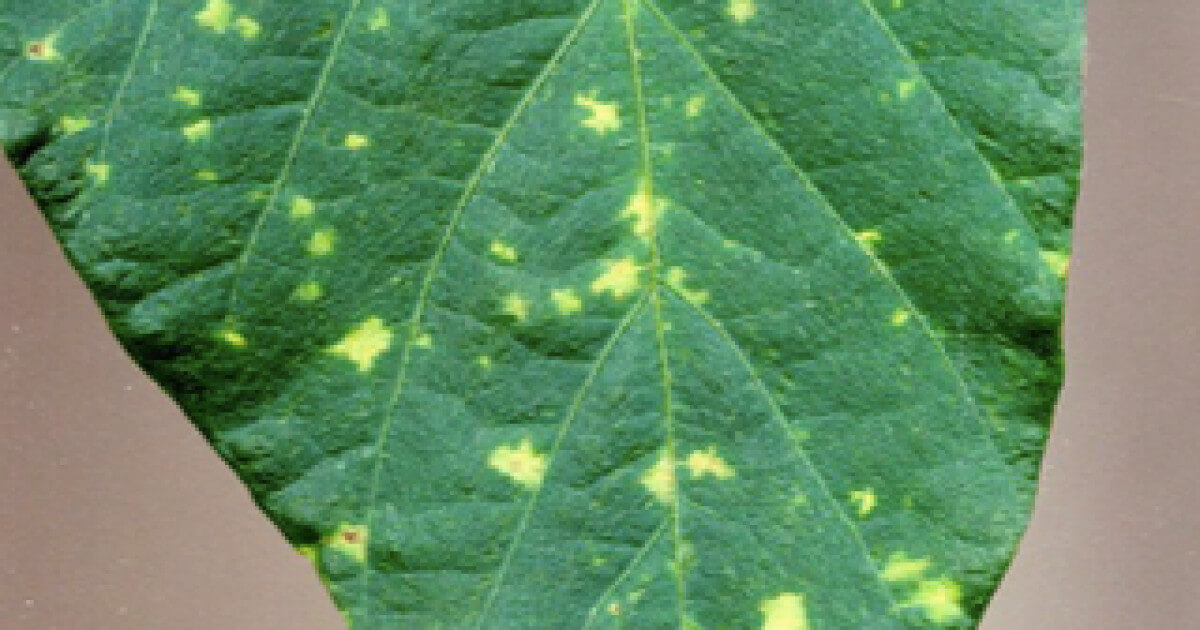
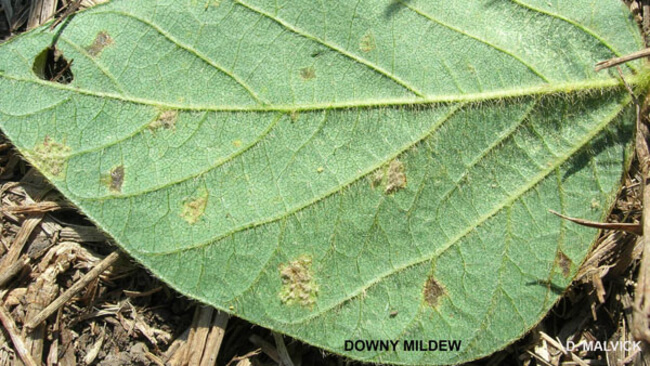
In soybeans, downy mildew produces yellowish-green leaf Taches on the plant's leaves. These Taches are usually accompanied by a whitish growth on the underside of the leaves, which corresponds to the mycelium of the fungus. Over time, affected leaves may wilt and drop prematurely, which can reduce crop yield.


DEVELOPMENT CONDITIONS
Temperature:
20°C - 25°C
Humidity:
80% - 95%

HOW IS IT SPREAD?
Infected seeds, plant remains, wind-borne spores, irrigation water, agricultural tools, vegetative propagation.

HOW TO ELIMINATE IT?
Home treatments
There are no home treatments
Natural allies
Chemical treatments
There are no treatments for this disease. Treatments are directed at the insect vectors that transmit it. See insect treatments.
RECOMMENDED PRODUCTS TO ELIMINATE THE PEST
Sponsored link

Sponsored link


Sponsored link
Sponsored link
Sponsored link


Sponsored link
Sponsored link
Effective against all types of fungi

Sponsored link


Sponsored link
Sponsored link

Sponsored link


Sponsored link

REPELLENT PLANTS

RECOMMENDATIONS
OTHER PESTS THAT MAY INTEREST YOU


DID YOU LIKE IT?
Now you can always have it on your mobile, without ads and totally FREE. TRY idMicrobe NOW!


