

Manzano
How to recognize and combat canker in apple trees
Chancre
Fungus
Type:
Risk to the plant:
HIGH
Nectria Galligena, Cylindrocarpon Mali
Pathogen:
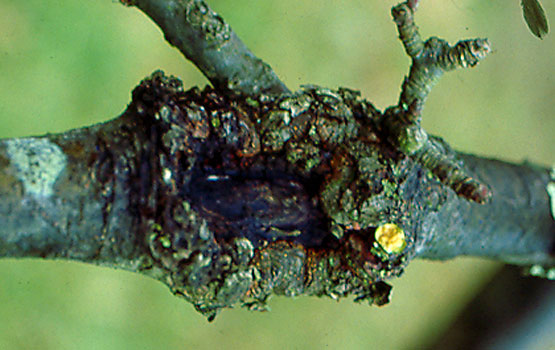
Cancros


WHO CAUSES IT?
Nectria galligena or Cylindrocarpon mali are phytopathogenic fungi that affect apple trees, causing the disease known as canker. These fungi can enter the plant through wounds or cuts, establishing themselves in the bark and woody tissues. They develop spores that spread to other nearby plants through wind and water, infecting new wounds on trees. Fungi can remain dormant during dry periods and become active under high humidity conditions.
.png)
SYMPTOMS
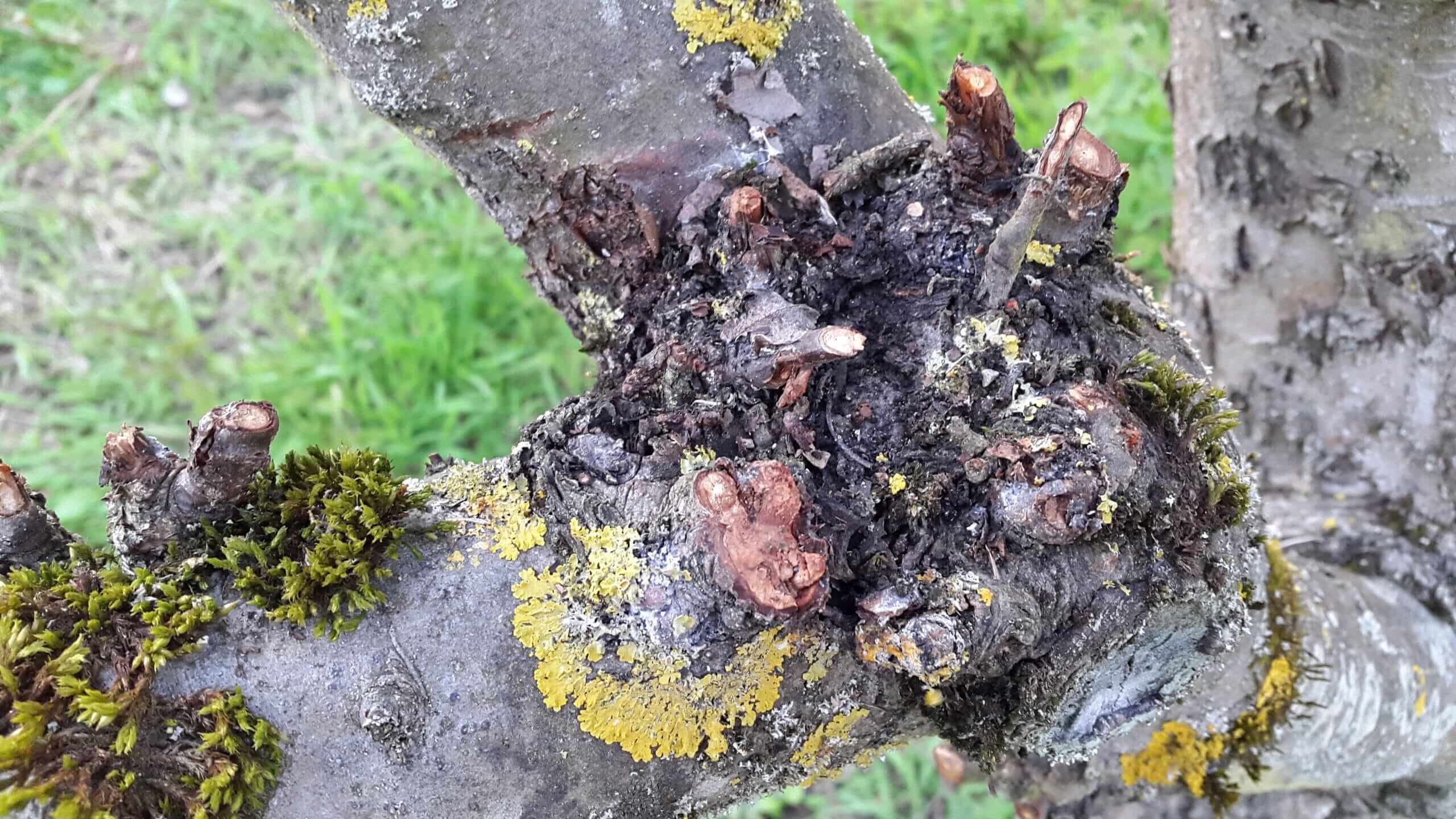
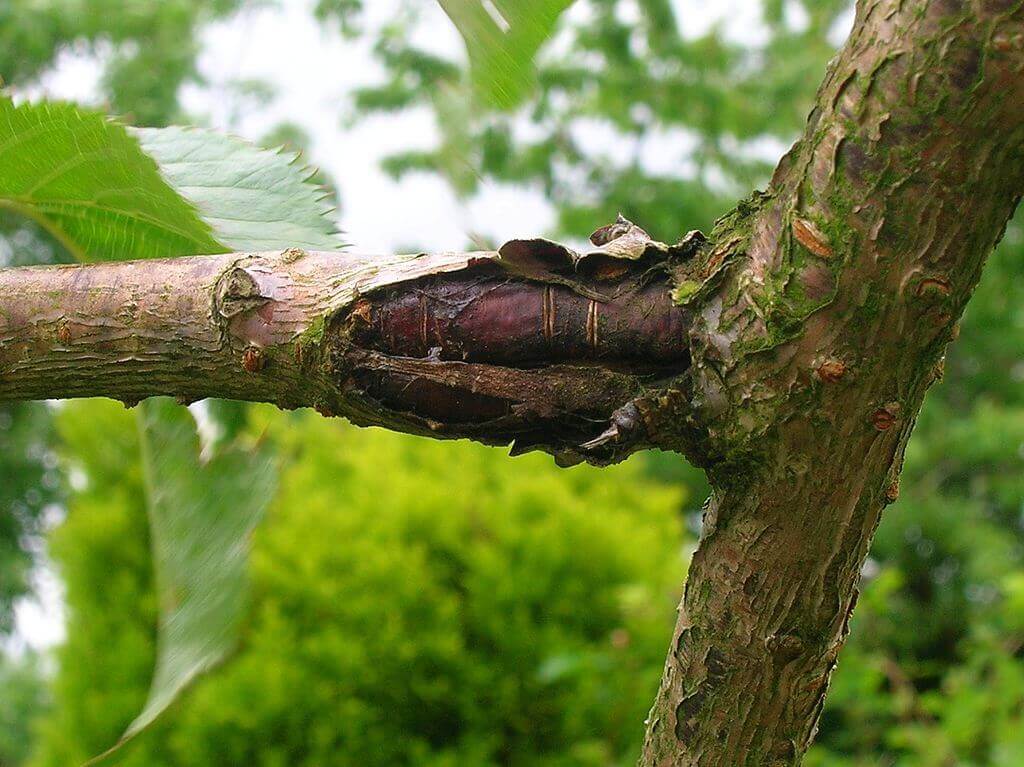
The canker caused by Nectria galligena or Cylindrocarpon mali causes lesions on the bark of apple trees, causing cracks, wounds and a general weakening of the plant. These lesions can affect the branches, the trunk or even the fruits.
• Lesions and cracks in the bark.
• Wounds on branches and trunk.
• Appearance of an orange powder on the bark.
• General weakening of the plant.
• Increased susceptibility to other infections.


DEVELOPMENT CONDITIONS
Temperature:
15°C - 25°C
Humidity:
70% - 95%

HOW IS IT SPREAD?
Wind, rainwater, contaminated irrigation water, contaminated pruning tools.

HOW TO ELIMINATE IT?
Home treatments
There are no home treatments
Natural allies
Chemical treatments
There are no treatments for this disease. Treatments are directed at the insect vectors that transmit it. See insect treatments.
RECOMMENDED PRODUCTS TO ELIMINATE THE PEST
Sponsored link
Sponsored link


Sponsored link
Sponsored link
Sponsored link


Sponsored link
Sponsored link
Effective against all types of fungi

Sponsored link


Sponsored link
Sponsored link

Sponsored link


Sponsored link

REPELLENT PLANTS

RECOMMENDATIONS
OTHER PESTS THAT MAY INTEREST YOU


DID YOU LIKE IT?
Now you can always have it on your mobile, without ads and totally FREE. TRY idMicrobe NOW!


