

Cucurbitáceas piel NO comestible
How to recognize and combat cladosporiosis in cucurbits (inedible skin)
Cladosporiosis
Fungus
Type:
Risk to the plant:
INTERMEDIATE
Cladosporium Cucumerinum
Pathogen:
Micosis/Hongos


WHO CAUSES IT?
Cladosporium cucumerinum is a phytopathogenic fungus that belongs to the genus Cladosporium, which includes a wide variety of species distributed in different environments and plant hosts. This specific pathogen is characterized by its ability to attack plants of the cucurbit family, being particularly problematic in crops such as cucumbers, pumpkins, zucchini and melons. Although Cladosporium cucumerinum is not considered one of the most devastating pathogens in agriculture, it can cause significant losses in cucurbit production if not properly controlled.
.png)
SYMPTOMS
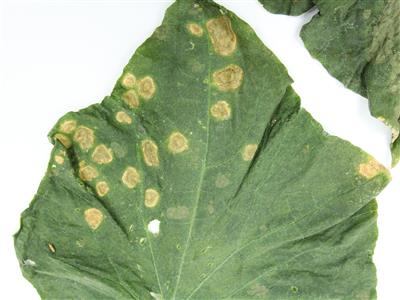
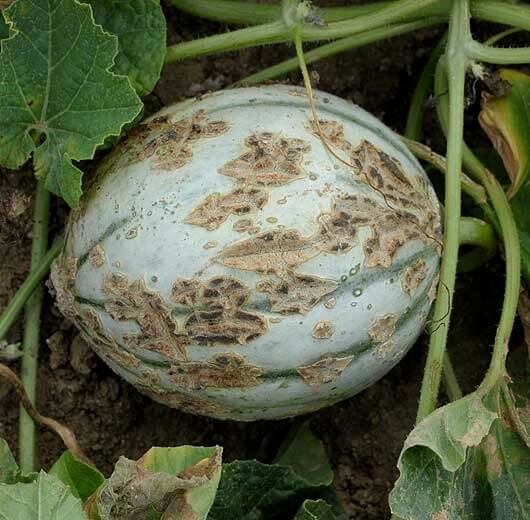
This fungus develops mainly on the leaves of plants, where it forms characteristic necrotic Taches. These Taches are usually angular in shape and can vary in color, from yellow to dark brown, depending on the stage of infection. As the disease progresses, the lesions can expand and fuse, causing defoliation and weakening the plant.



DEVELOPMENT CONDITIONS
Temperature:
20°C - 25°C
Humidity:
70% - 90%

HOW IS IT SPREAD?
Irrigation water, wind, cultivation equipment, contaminated seeds, direct contact between plants.

HOW TO ELIMINATE IT?
Home treatments
There are no home treatments
Natural allies
Chemical treatments
There are no treatments for this disease. Treatments are directed at the insect vectors that transmit it. See insect treatments.
RECOMMENDED PRODUCTS TO ELIMINATE THE PEST
Sponsored link
Sponsored link
Sponsored link


Sponsored link
Sponsored link
Sponsored link
Sponsored link


Sponsored link
Sponsored link
Effective against all types of fungi

Sponsored link
Sponsored link


Sponsored link
Sponsored link

Sponsored link
Sponsored link


Sponsored link

REPELLENT PLANTS

RECOMMENDATIONS
OTHER PESTS THAT MAY INTEREST YOU


DID YOU LIKE IT?
Now you can always have it on your mobile, without ads and totally FREE. TRY idMicrobe NOW!


