

Pomelo
How to recognize and combat false codling moth in grapefruit
False Codling Moth
Insect
Type:
Risk to the plant:
CRITICAL (Quarantine Agency)
Thaumatotibia Leucotreta
Pathogen:
Polillas


WHO CAUSES IT?
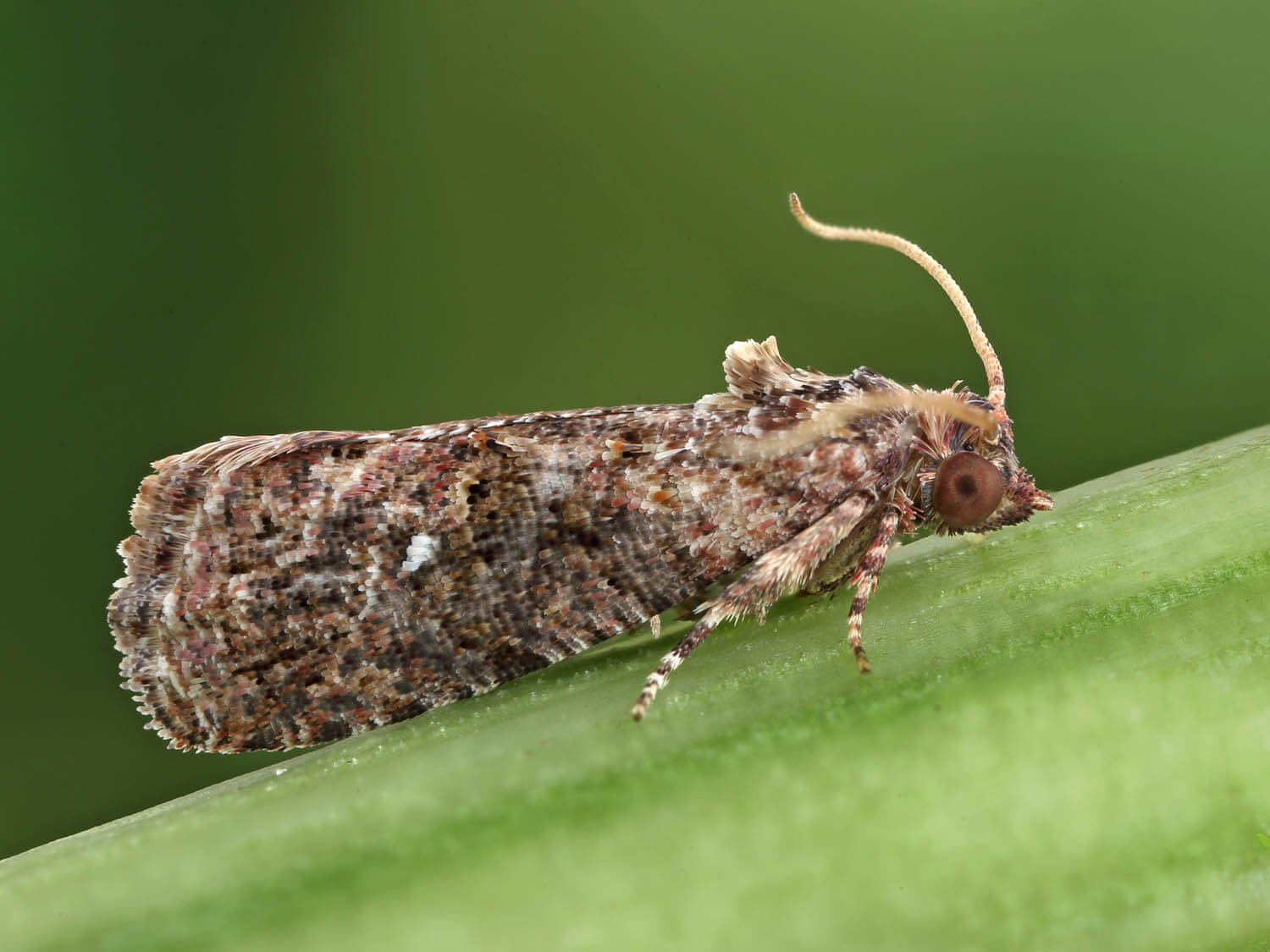
The false codling moth, known scientifically as Thaumatotibia leucotreta, is a pest that affects various fruit crops, including grapefruit. This insect is native to Africa and has caused significant damage to citrus groves in several regions of the world.
.png)
SYMPTOMS
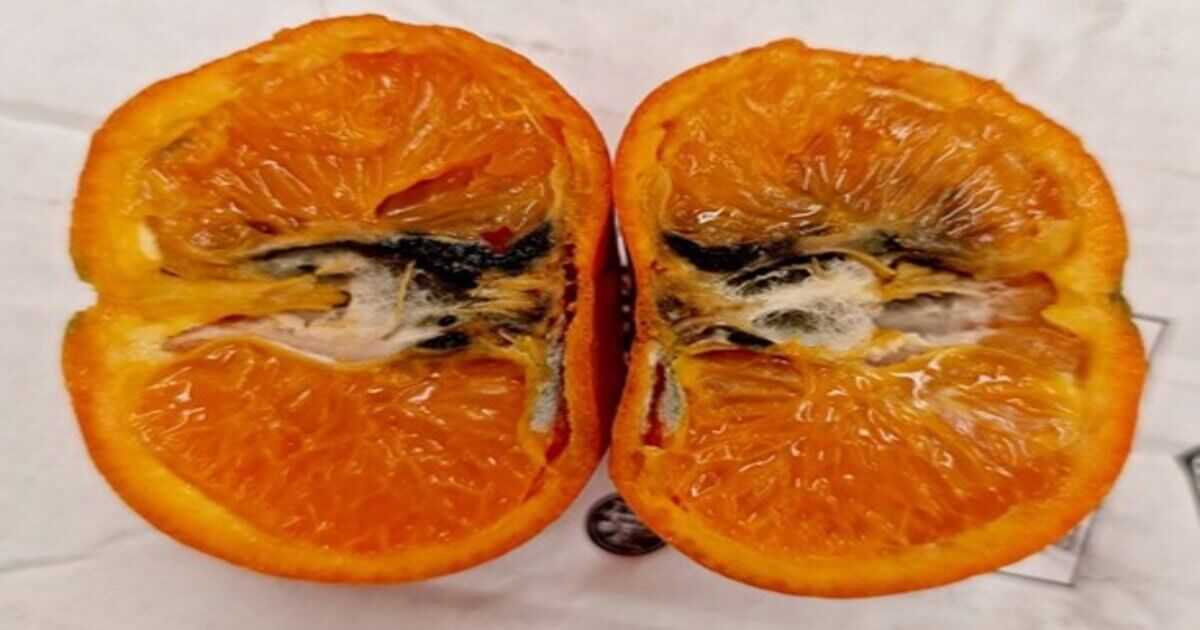
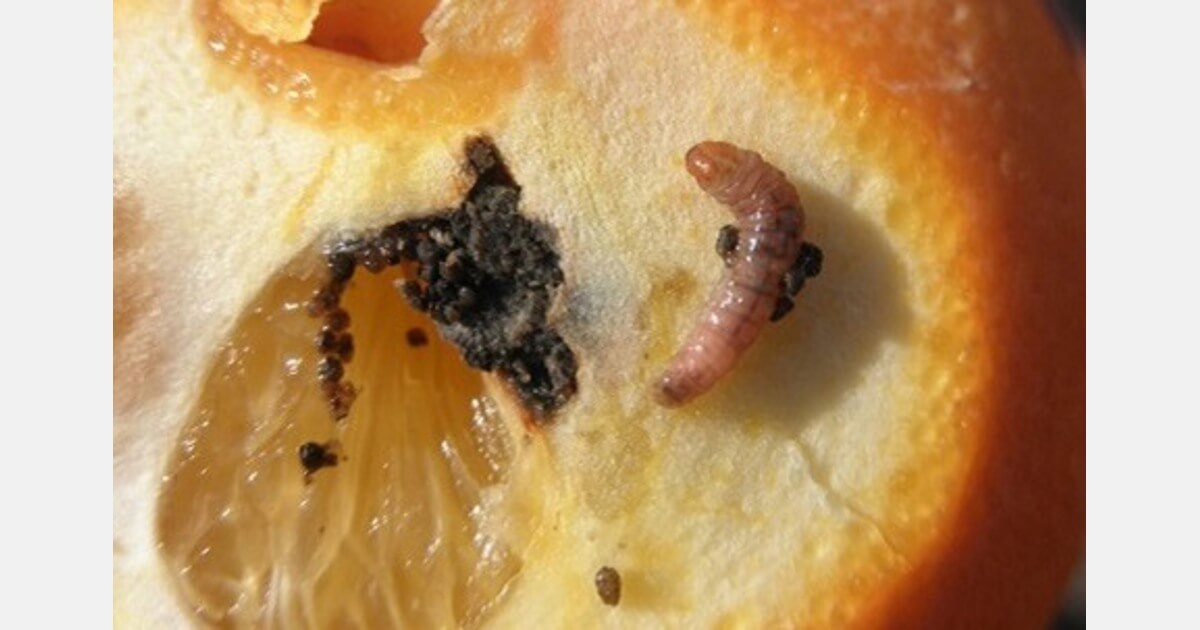
In grapefruit, the false codling moth produces a series of symptoms that mainly affect the fruits. Symptoms include the presence of galleries or tunnels within the pulp, as well as the presence of excrement and larval residues inside the fruits. In addition, affected fruits may present deformations in their shape and texture, as well as secondary rots due to the entry of pathogenic microorganisms.


DEVELOPMENT CONDITIONS
Temperature:
20°C - 25°C
Humidity:
60% - 80%

HOW IS IT SPREAD?
Active flight of adults, passive transport in infected fruits and human movement of contaminated plant material.

HOW TO ELIMINATE IT?
Home treatments
There are no home treatments
Natural allies
Chemical treatments
There are no treatments for this disease. Treatments are directed at the insect vectors that transmit it. See insect treatments.
RECOMMENDED PRODUCTS TO ELIMINATE THE PEST
Sponsored link
Sponsored link
Sponsored link


Sponsored link
Sponsored link
Sponsored link
Sponsored link


Sponsored link
Sponsored link
Effective against all types of fungi

Sponsored link
Sponsored link


Sponsored link
Sponsored link

Sponsored link
Sponsored link


Sponsored link

REPELLENT PLANTS

RECOMMENDATIONS
OTHER PESTS THAT MAY INTEREST YOU


DID YOU LIKE IT?
Now you can always have it on your mobile, without ads and totally FREE. TRY idMicrobe NOW!


