

Quinoa
How to recognize and combat leaf spot in quinoa
Leaf Spot
Fungus
Type:
Risk to the plant:
HIGH
Ascochyta Hyalospora
Pathogen:
Micosis/Hongos


WHO CAUSES IT?
Ascochyta hyalospora is a phytopathogenic fungus that mainly affects quinoa crops. This fungus produces conidia, which are asexual structures that are spread by wind, rain, and contact with contaminated tools. Conidia germinate in favorable conditions of humidity and temperature, penetrating the leaf tissues through stomata or wounds. Once inside, the fungus develops mycelium, which spreads through the leaf tissue, causing necrosis. The fructifications of the fungus appear as small black structures called pycnidia, which release new conidia, restarting the infection process. The fungus can survive in plant residues and infected seeds, which facilitates its persistence in the field from one crop cycle to another.
.png)
SYMPTOMS
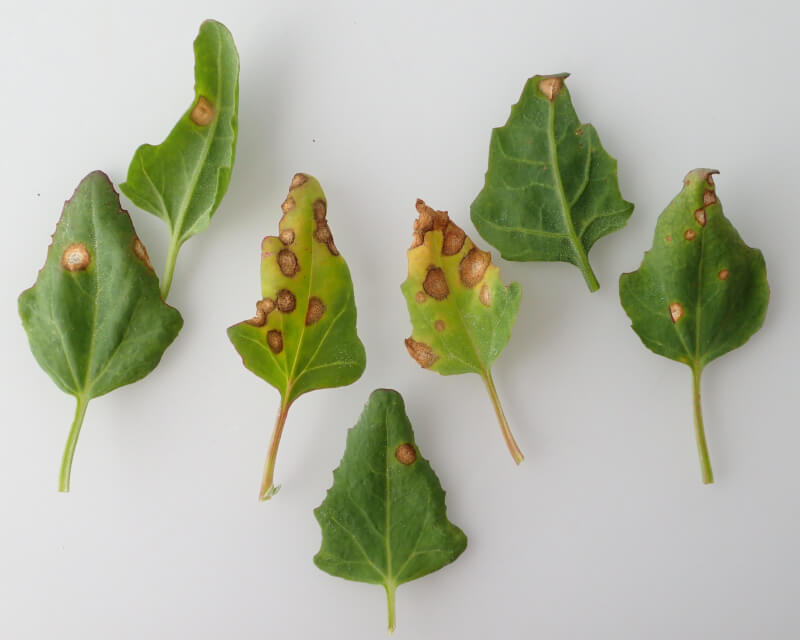
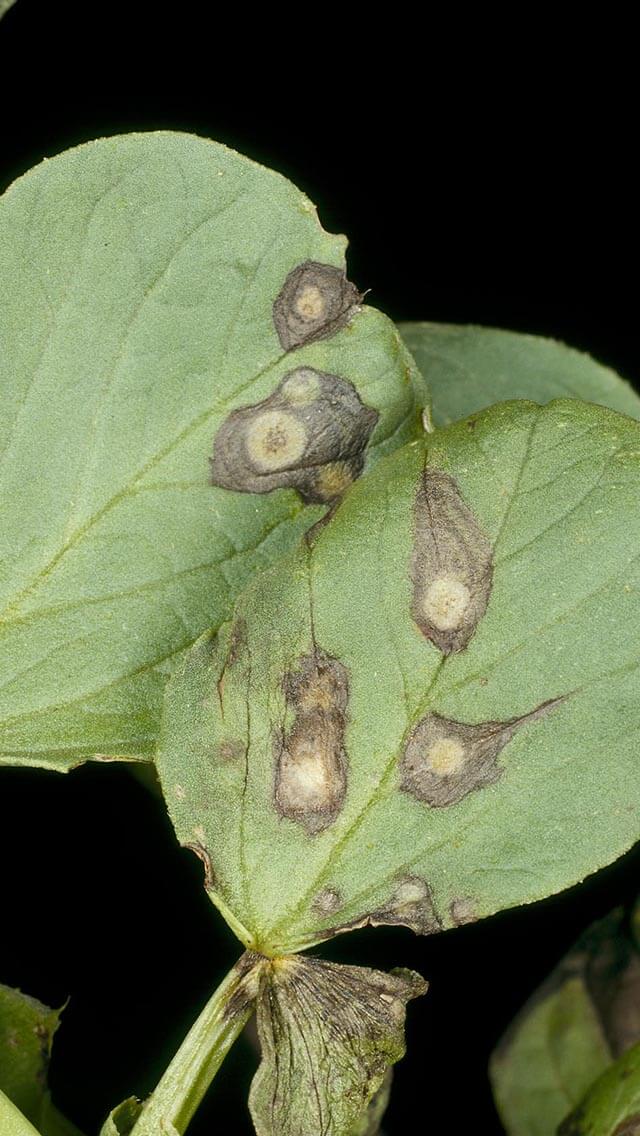
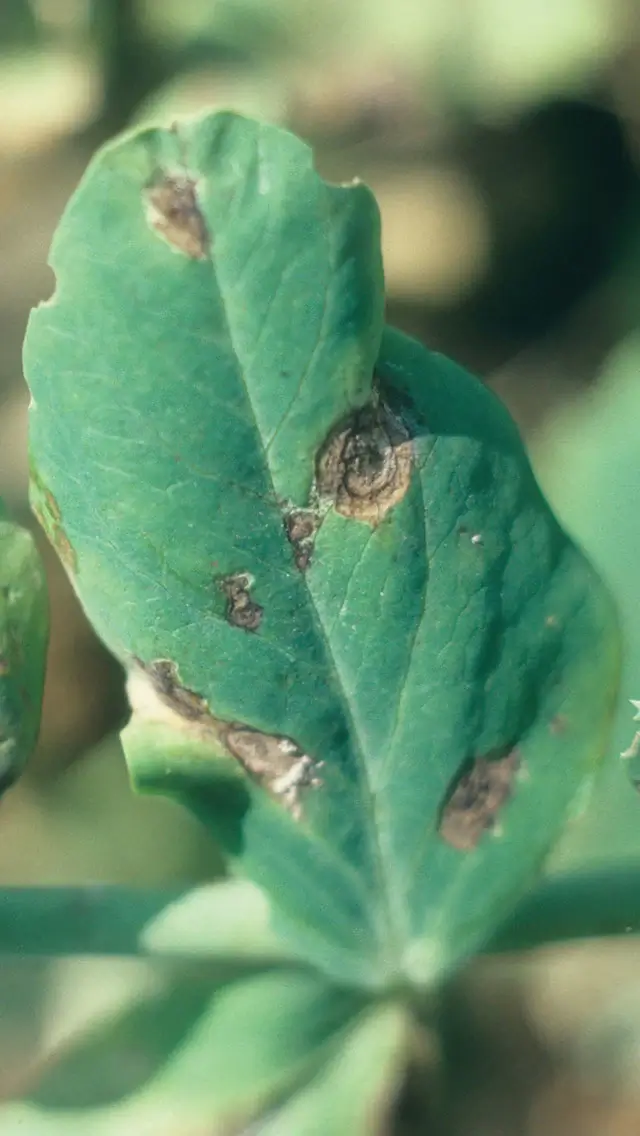
In quinoa, Ascochyta hyalospora causes the disease known as leaf spot, which can significantly affect plant health and grain production. The initial symptoms appear as small dark Taches on the leaves, which can increase in size and number, coalescing in severe cases and causing defoliation of the plant.
- Dark Taches with defined edges on the leaves.
- Necrotic lesions that can coalesce.
- Premature defoliation.
- Reduction in plant growth.
- Decrease in grain production.
- Presence of pycnidia on leaf Taches.
- General weakening of the plant.


DEVELOPMENT CONDITIONS
Temperature:
18-25°C
Humidity:
70-90%

HOW IS IT SPREAD?
Wind, Rain, Contact with contaminated tools, Infected seeds, Plant residues

HOW TO ELIMINATE IT?
Home treatments
There are no home treatments
Natural allies
Chemical treatments
There are no treatments for this disease. Treatments are directed at the insect vectors that transmit it. See insect treatments.
RECOMMENDED PRODUCTS TO ELIMINATE THE PEST
Sponsored link
Sponsored link


Sponsored link
Sponsored link
Sponsored link


Sponsored link
Sponsored link
Effective against all types of fungi

Sponsored link


Sponsored link
Sponsored link

Sponsored link


Sponsored link

REPELLENT PLANTS

RECOMMENDATIONS
OTHER PESTS THAT MAY INTEREST YOU


DID YOU LIKE IT?
Now you can always have it on your mobile, without ads and totally FREE. TRY idMicrobe NOW!


