

Olivo
How to recognize and combat olive fruit flies
Olive Fly
Insect
Type:
Risk to the plant:
INTERMEDIATE
Bactrocera Oleae
Pathogen:
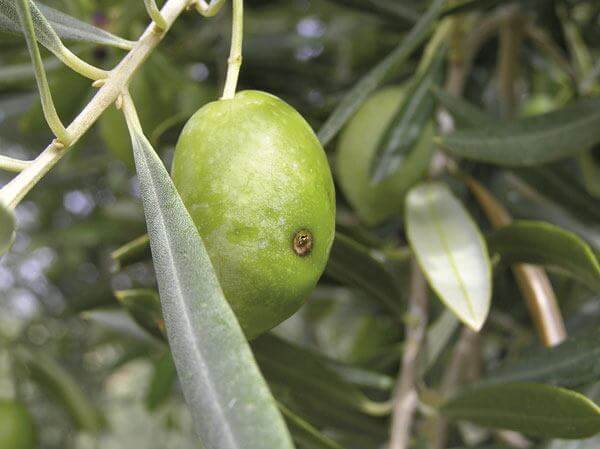
Moscas de la fruta


WHO CAUSES IT?
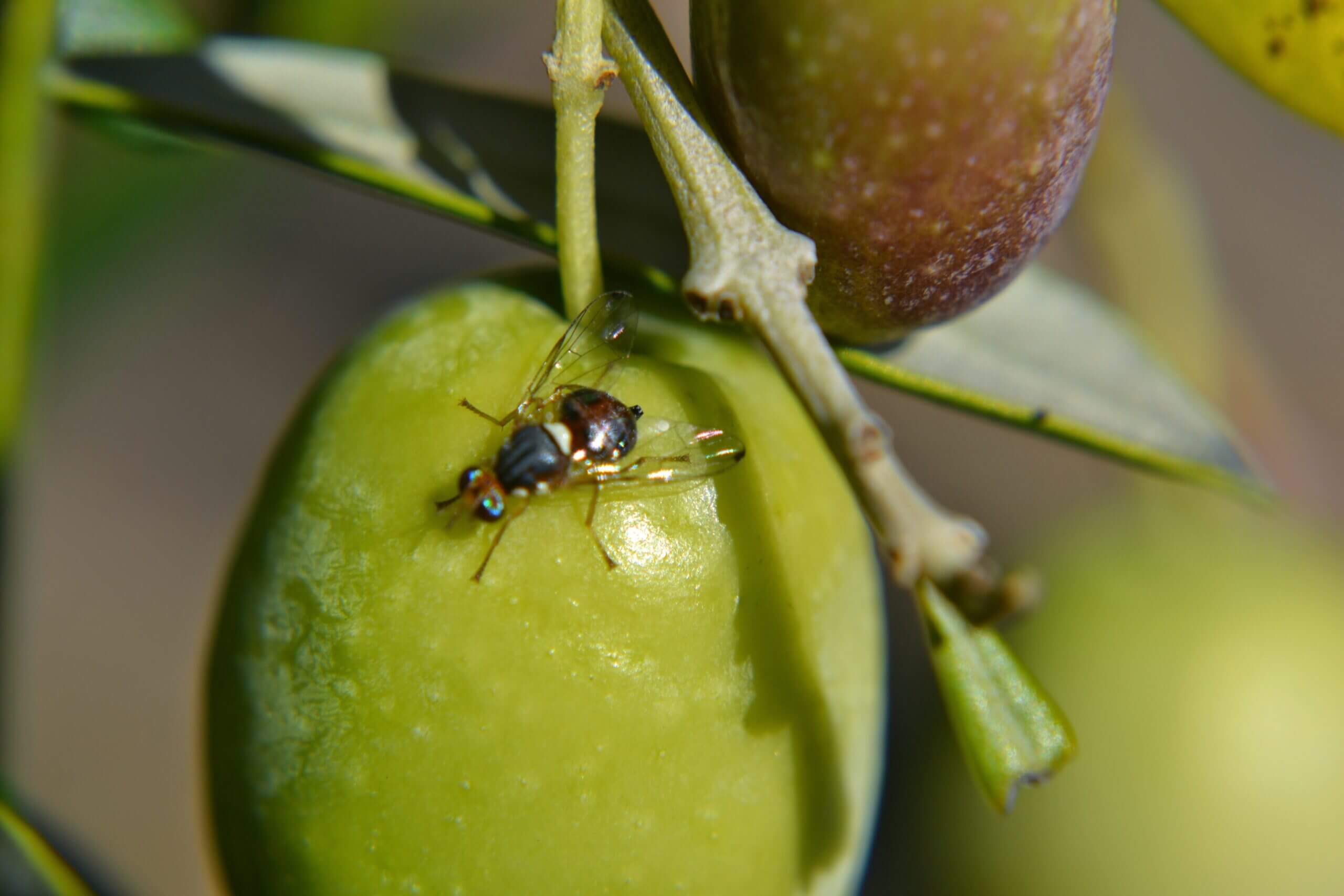
Bactrocera oleae, known as the olive fly, is an insect of the Tephritidae family that is one of the main pests of olive trees in Mediterranean areas. The life cycle of the olive fly begins with laying eggs in the fruit of the olive tree. The larvae hatch and feed on the inside of the fruit, causing significant damage. Once the larvae have completed their development, they emerge from the fruit and burrow into the ground to pupate. The adults emerge from the ground and begin to mate, repeating the cycle.
.png)
SYMPTOMS
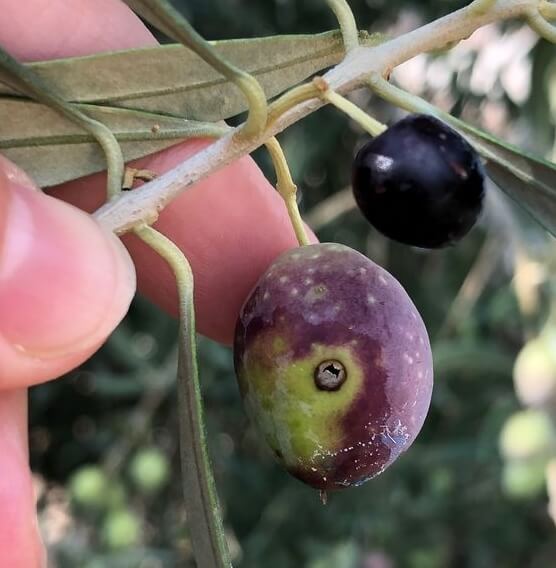
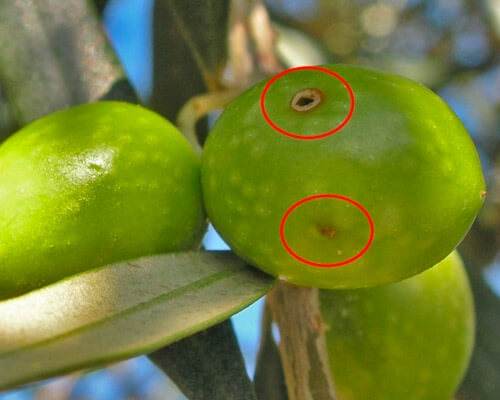
The olive fly causes significant damage to olive trees, especially the fruits. Damage caused by larvae feeding on fruits can reduce their quality and, in some cases, cause them to fall prematurely. Furthermore, the presence of larvae can increase the susceptibility of the fruit to fungal or bacterial infections.
• Damage to the fruit, including tunnels and holes.
• Premature fall of fruits.
• Deterioration of the quality of olive oil.
• Greater susceptibility to secondary infections.


DEVELOPMENT CONDITIONS
Temperature:
15°C - 30°C
Humidity:
60% - 80%

HOW IS IT SPREAD?
Flight, fruit handling, contaminated harvesting tools.

HOW TO ELIMINATE IT?
Home treatments
There are no home treatments
Natural allies
Chemical treatments
There are no treatments for this disease. Treatments are directed at the insect vectors that transmit it. See insect treatments.
RECOMMENDED PRODUCTS TO ELIMINATE THE PEST
Sponsored link

Sponsored link


Sponsored link
Sponsored link
Sponsored link


Sponsored link
Sponsored link
Effective against all types of fungi

Sponsored link


Sponsored link
Sponsored link

Sponsored link


Sponsored link

REPELLENT PLANTS

RECOMMENDATIONS
OTHER PESTS THAT MAY INTEREST YOU


DID YOU LIKE IT?
Now you can always have it on your mobile, without ads and totally FREE. TRY idMicrobe NOW!


