

Mora
How to recognize and combat collar rot in blackberries
Neck Rot
Oomycete
Type:
Risk to the plant:
HIGH
Phytophthora Spp.
Pathogen:

Phytophthora


WHO CAUSES IT?
Phytophthora spp. is a group of highly destructive pathogens that affect various plants, including blackberries. These organisms develop in humid environments and can survive in the soil and remains of infected plants for long periods. During warm, humid conditions, they produce sporangia that release motile zoospores, which swim through the water in the soil and find their hosts. Zoospores attach to the roots or neck of plants and, once attached, germinate and produce mycelium that invades plant tissue, causing necrosis and deterioration. The pathogen can also form resistant structures such as oospores and chlamydospores, which allow it to survive in adverse conditions until conditions are again favorable for its growth and dispersal.
.png)
SYMPTOMS
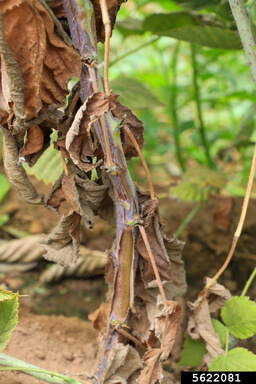
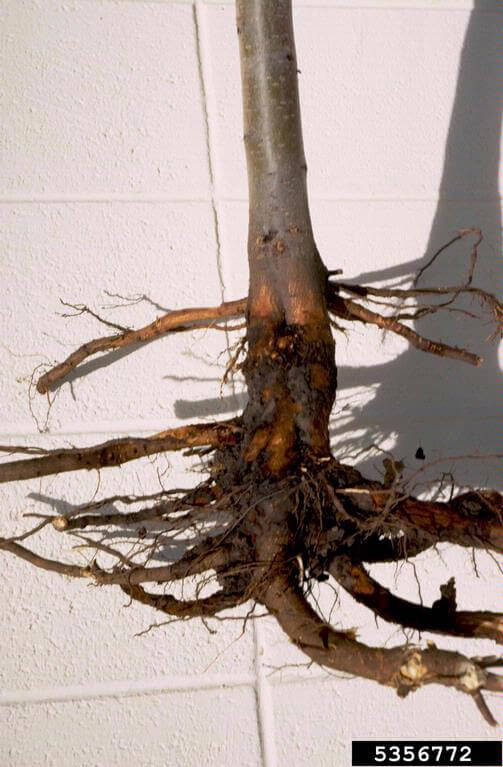
In blackberry, neck rot caused by Phytophthora spp. It manifests itself with symptoms that include discoloration and necrosis of the tissue at the base of the stem, which can lead to wilting and death of the plant. As the infection progresses, the plant's ability to transport water and nutrients is severely compromised, resulting in a significant reduction in crop vigor and productivity. Symptoms include:
- Discoloration and necrosis at the base of the stem.
- Withering of leaves and shoots.
- Delay in the growth and development of the plant.
- Regressive death of the branches and, eventually, of the entire plant.
- Appearance of brown or blackish Taches on the bark of the neck.
- Premature fruit drop.
- Significant loss of vigor and reduction in crop productivity.


DEVELOPMENT CONDITIONS
Temperature:
15°C - 25°C
Humidity:
75% - 100%

HOW IS IT SPREAD?
Irrigation water, infected soil, contaminated tools, infected plant remains, infected propagation material

HOW TO ELIMINATE IT?
Home treatments
There are no home treatments
Natural allies
Chemical treatments
There are no treatments for this disease. Treatments are directed at the insect vectors that transmit it. See insect treatments.
RECOMMENDED PRODUCTS TO ELIMINATE THE PEST
Sponsored link
Sponsored link


Sponsored link
Sponsored link
Sponsored link


Sponsored link
Sponsored link
Effective against all types of fungi

Sponsored link


Sponsored link
Sponsored link

Sponsored link


Sponsored link

REPELLENT PLANTS

RECOMMENDATIONS
OTHER PESTS THAT MAY INTEREST YOU


DID YOU LIKE IT?
Now you can always have it on your mobile, without ads and totally FREE. TRY idMicrobe NOW!


