

Maíz
How to recognize and combat fine streak virus (MRFV) in corn
Fine Streak Virus (Mrfv)
Virus
Type:
Risk to the plant:
HIGH
Maize Rayado Fino Virus (Mrfv)
Pathogen:
Virus


WHO CAUSES IT?
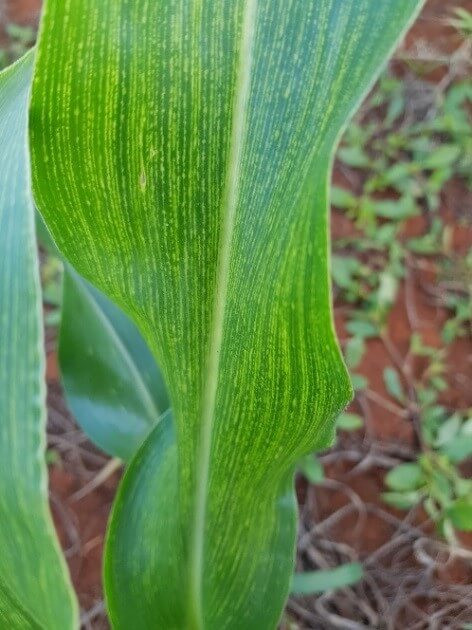
Maize fine streak virus (MRFV) is a virus that belongs to the Tombusviridae family and is known to cause fine streak disease in corn. This pathogen is transmitted mainly by insect vectors, especially by the leafhopper Peregrinus maidis. Once insects feed on an infected plant, they can carry the virus to other plants during their feeding. The virus enters the corn plant through wounds caused by insects and establishes itself in the phloem cells. It uses the plant's machinery to replicate and produce new viral particles, which spread throughout the plant through the vascular system. As the virus multiplies, it causes a series of characteristic symptoms that can significantly affect the development and yield of the corn crop. The spread of the virus is favored by favorable environmental conditions and the presence of efficient vectors.
.png)
SYMPTOMS
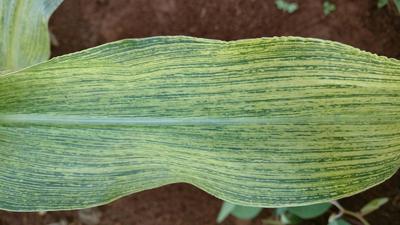
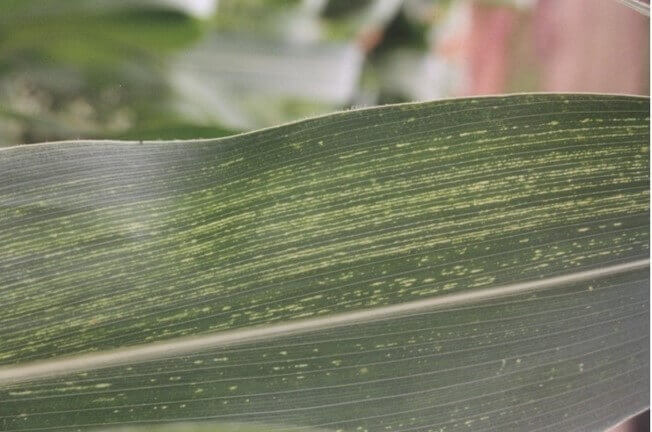
The fine streak virus (MRFV) causes a disease that significantly affects corn, interfering with its growth and productivity. Infected plants show a variety of symptoms that compromise their vigor and yield, which can have a significant economic impact on corn crops.
- Appearance of fine, chlorotic stripes on the leaves.
- Reduction in size and uneven development of plants.
- Generalized chlorosis in the leaves, especially in the veins.
- Deformation of leaves and ears.
- Delay in the growth and development of corn.
- Reduction in the quality and quantity of grains produced.


DEVELOPMENT CONDITIONS
Temperature:
20°C - 30°C
Humidity:
60% - 80%

HOW IS IT SPREAD?
Insect vectors, contact between plants, contaminated tools

HOW TO ELIMINATE IT?
Home treatments
There are no home treatments
Natural allies
Chemical treatments
There are no treatments for this disease. Treatments are directed at the insect vectors that transmit it. See insect treatments.
RECOMMENDED PRODUCTS TO ELIMINATE THE PEST
Sponsored link
Sponsored link


Sponsored link
Sponsored link
Sponsored link


Sponsored link
Sponsored link
Effective against all types of fungi

Sponsored link


Sponsored link
Sponsored link

Sponsored link


Sponsored link

REPELLENT PLANTS

RECOMMENDATIONS
OTHER PESTS THAT MAY INTEREST YOU


DID YOU LIKE IT?
Now you can always have it on your mobile, without ads and totally FREE. TRY idMicrobe NOW!


