

Bacteriosis
Crown Galls
Agrobacterium Tumefaciens
Pathogen:
Bacterium
Type:
Risk to the plant:
INTERMEDIATE

DESCRIPTION
WHO CAUSES IT?
Agrobacterium tumefaciens is a pathogenic bacteria that infects a wide variety of dicotyledonous plants, including raspberry. This bacterium is known for its unique ability to transfer part of its plasmid DNA (known as T-DNA) to the plant cell, inducing the formation of tumors or galls. Agrobacterium tumefaciens survives in soil and in the remains of infected plants. During favorable conditions, the bacteria are attracted to phenolic compounds and sugars released by plant roots and wounds. Upon contact with plant cells, the bacteria uses a DNA transfer system (T-DNA system) to insert its DNA into the plant genome. This causes uncontrolled proliferation of plant cells, resulting in the formation of characteristic galls on the crown, roots and stems. These galls serve as protective niches for the bacteria, allowing their persistence and spread in the environment.
SYMPTOMS
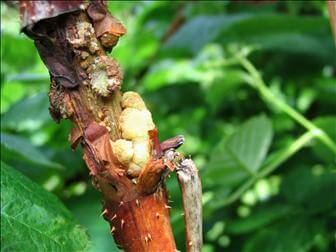
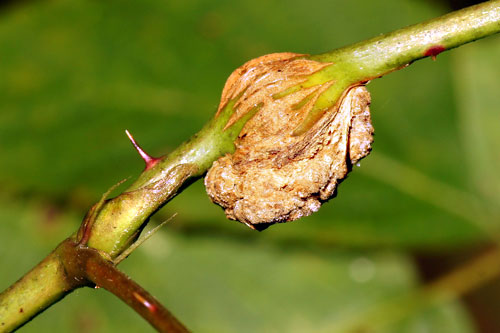
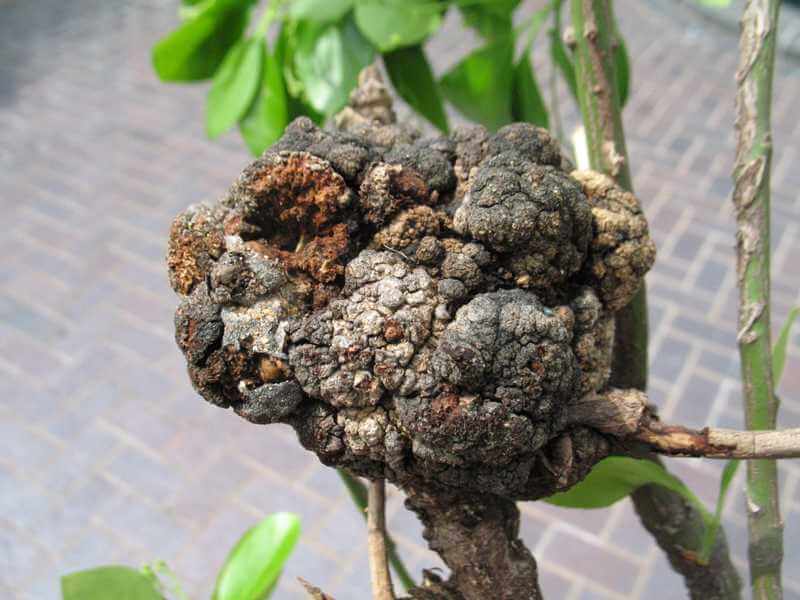
Crown gall disease caused by Agrobacterium tumefaciens in raspberries occurs mainly in the crown and root area, although it can also affect the stems. The symptoms are initially inconspicuous, but as the infection progresses, tumorous growths or galls are observed that affect the general health of the plant. These galls interfere with the transport of water and nutrients, weakening the plant and reducing its vigor and productivity.
- Formation of galls or tumors in the crown, roots and occasionally in the stems.
- General weakening of the plant.
- Decrease in growth and development.
- Reduction in fruit production.
- Withering of the leaves.
- Regressive death of the plant in severe cases.


TEMPERATURE AND HUMIDITY
20°C - 30°C
70% - 80%

HOW IS IT SPREAD?
Contaminated soil, irrigation water, cultivation tools, infected plant remains, contaminated nursery plants, plant wounds

HOW TO REMOVE IT?
Home remedies
There are no home treatments
Chemical treatments
• COPPER OXYCHLORIDE 35% (exp. in Cu) [WG] P/P
• CUPROCALCIC SULFATE 12.4% (EXPR. IN CU) [SC] P/V
Authorized treatments in organic farming
• COPPER OXYCHLORIDE 35% (exp. in Cu) [WG] P/P
• CUPROCALCIC SULFATE 12.4% (EXPR. IN CU) [SC] P/V
Insect allies
PREDATORY MITES
LADYBUGS
LACEWINGS
PARASITIC WASPS
HOVERFLIES OR PARASITIC FLIES
PREDATORY BUGS
There are no natural allies
Mycodiplosis oidii (predatory mosquito)
EFFECTIVE PRODUCTS TO ELIMINATE THIS DISEASE
Sponsored link
Sponsored link


Sponsored link
Sponsored link
Sponsored link


Sponsored link
Sponsored link
Effective against all types of fungi

Sponsored link


Sponsored link
Sponsored link

Sponsored link


Sponsored link
- Use pathogen-free and certified plants when establishing a new crop.
- Avoid wounds to plants during planting, pruning and other agricultural tasks.
- Implement an appropriate crop rotation, avoiding planting raspberries in previously infected soils.
- Disinfect agricultural tools and equipment with appropriate solutions before and after use.
- Eliminate and destroy infected plants and plant remains to reduce the source of inoculum.
- Apply biological products such as Agrobacterium radiobacter strain K84, which competes with Agrobacterium tumefaciens.
- Improve soil drainage to avoid high humidity conditions that favor infection.
- Carry out constant monitoring of the crop to detect and manage the disease in time.
- Promote overall plant health through integrated management practices that include balanced fertilization and adequate pest and disease control.
- Apply preventive chemical treatments to soils and plants, following technical recommendations and local regulations.
Recommendations

Enjoy idMicrobe TOTALLY FREE, with no trial periods.


