

Phytophthora
Citrus Decay Or Brown Rot
Phytophthora Sp.
Pathogen:
Oomycete
Type:
Risk to the plant:
HIGH
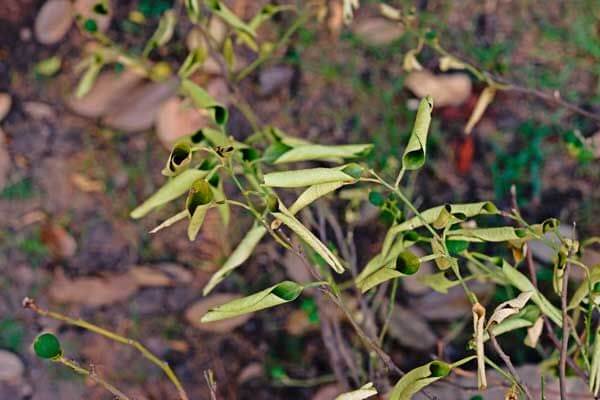
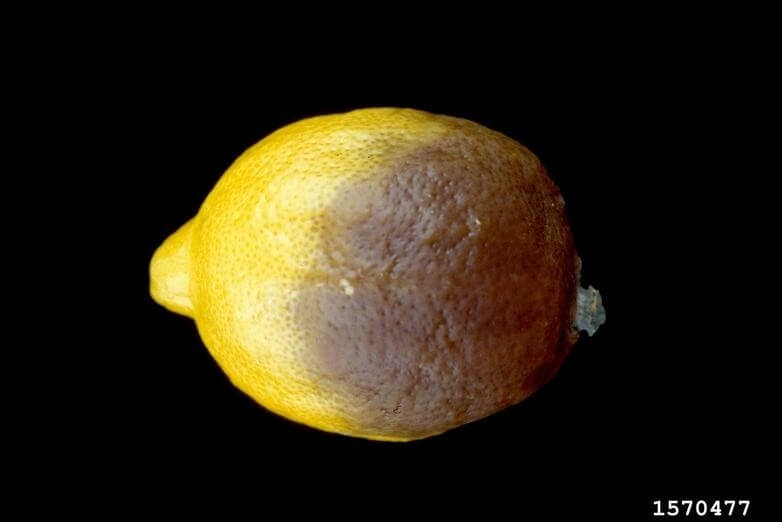

DESCRIPTION
WHO CAUSES IT?
Phytophthora sp. is a genus of oomycete fungi that encompasses several plant pathogenic species, including citrus. These pathogens are responsible for causing devastating diseases in economically important crops, such as lemon trees. Characterized by their ability to survive in soil and water, Phytophthora sp. It can persist in the environment and spread easily, posing a constant threat to plant health and agricultural production. Its complex life cycle and ability to infect different parts of the plant make it a major challenge for farmers and plant pathologists.
SYMPTOMS
The disease caused by citrus waterlogging in lemon trees manifests mainly in the root system and can result in widespread wilting of the plant. General symptoms include slow growth, a pale green or yellowish color to the leaves, and a decrease in fruit production. As the disease progresses, the roots may rot and the upper leaves may show signs of premature defoliation.
Slow plant growth.
Pale green or yellowish color on the leaves.
Decrease in fruit production.
Root rot.
Premature defoliation of leaves.
Rotting and watering down of the fruits.
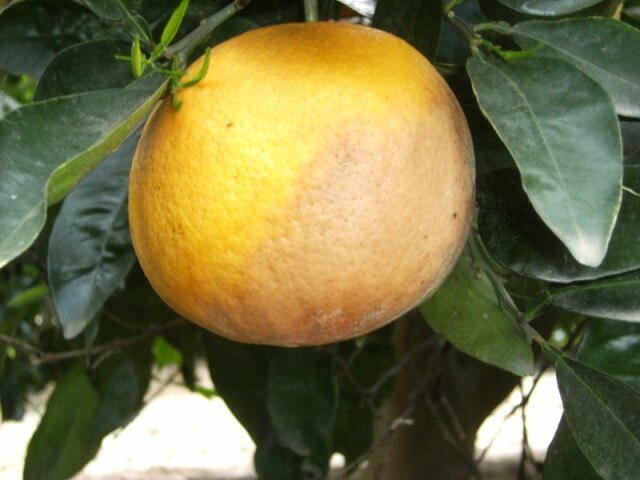
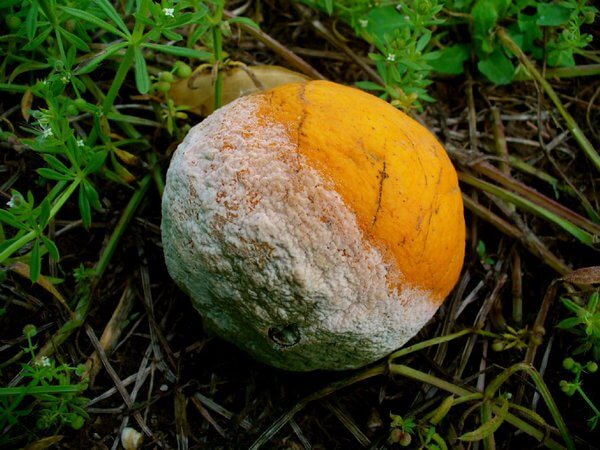


TEMPERATURE AND HUMIDITY
15°C - 25°C
70% - 90%

HOW IS IT SPREAD?
Contaminated soil, irrigation water, infected plant material.

HOW TO REMOVE IT?
Home remedies
There are no home treatments
Chemical treatments
• FOSETIL-AL 80% [WG] P/P
• CUPRIC HYDROXIDE 13.6% (EXPR. IN CU) + COPPER OXYCHLORIDE 13.6% (EXPR. IN CU) [SC] P/V
• CUPRIC HYDROXIDE 35% (EXPR. IN CU) [WG] P/P
• CUPRIC HYDROXIDE 50% (EXPR. IN CU) [WP] P/P
• COPPER OXYCHLORIDE 37.5% (EXPR. IN CU) [WG] P/P
• COPPER OXYCHLORIDE 38% (EXPR. IN CU) [SC] P/V
• COPPER OXYCHLORIDE 50% (EXPR. IN CU) [WP] P/P
• COPPER OXYCHLORIDE 70% [SC] P/V
• CUPROCALCIC SULFATE 20% (EXPR. IN CU) [WP] P/P
• CUPROCALCIC SULFATE 20% [WP] P/P
• TRIBASIC COPPER SULFATE 19% (EXPR. IN CU) [SC] P/V
Authorized treatments in organic farming
• CUPRIC HYDROXIDE 13.6% (EXPR. IN CU) + COPPER OXYCHLORIDE 13.6% (EXPR. IN CU) [SC] P/V
• CUPRIC HYDROXIDE 35% (EXPR. IN CU) [WG] P/P
• CUPRIC HYDROXIDE 50% (EXPR. IN CU) [WP] P/P
• COPPER OXYCHLORIDE 37.5% (EXPR. IN CU) [WG] P/P
• COPPER OXYCHLORIDE 38% (EXPR. IN CU) [SC] P/V
• COPPER OXYCHLORIDE 50% (EXPR. IN CU) [WP] P/P
• COPPER OXYCHLORIDE 70% [SC] P/V
• CUPROCALCIC SULFATE 20% (EXPR. IN CU) [WP] P/P
• CUPROCALCIC SULFATE 20% [WP] P/P
• TRIBASIC COPPER SULFATE 19% (EXPR. IN CU) [SC] P/V
Insect allies
PREDATORY MITES
LADYBUGS
LACEWINGS
PARASITIC WASPS
HOVERFLIES OR PARASITIC FLIES
PREDATORY BUGS
There are no natural allies
Mycodiplosis oidii (predatory mosquito)
EFFECTIVE PRODUCTS TO ELIMINATE THIS DISEASE
Sponsored link
Sponsored link
Sponsored link


Sponsored link
Sponsored link
Sponsored link
Sponsored link


Sponsored link
Sponsored link
Effective against all types of fungi

Sponsored link
Sponsored link


Sponsored link
Sponsored link

Sponsored link
Sponsored link


Sponsored link
To prevent and control citrus watering down in lemon trees, it is recommended to follow a set of integrated pest and disease management practices. These recommendations include:
Improve soil drainage to reduce water buildup around roots.
Use water-resistant rootstocks.
Avoid excessive watering and maintain a proper moisture balance in the soil.
Rotate crops and avoid continuously planting citrus in the same area.
Recommendations

Enjoy idMicrobe TOTALLY FREE, with no trial periods.


