

Podredumbre gris
Gray Rot
Botrytis Cinerea
Pathogen:
Fungus
Type:
Risk to the plant:
INTERMEDIATE

DESCRIPTION
WHO CAUSES IT?
Botrytis sp. It is a pathogenic fungus that belongs to the genus Botrytis. This fungus is commonly known as gray mold due to the grayish color of its mycelium and is an important pathogen of many ornamental plants, including geranium. It is characterized by being an opportunistic saprophytic fungus, which means that it can attack plant tissues weakened by factors such as wounds, environmental stress or the presence of other pathogens. Furthermore, Botrytis sp. It produces abundant spores that are easily dispersed in the air, which contributes to its rapid spread under favorable conditions.
SYMPTOMS
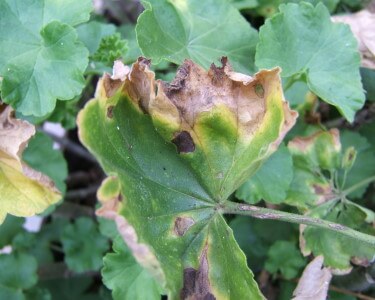
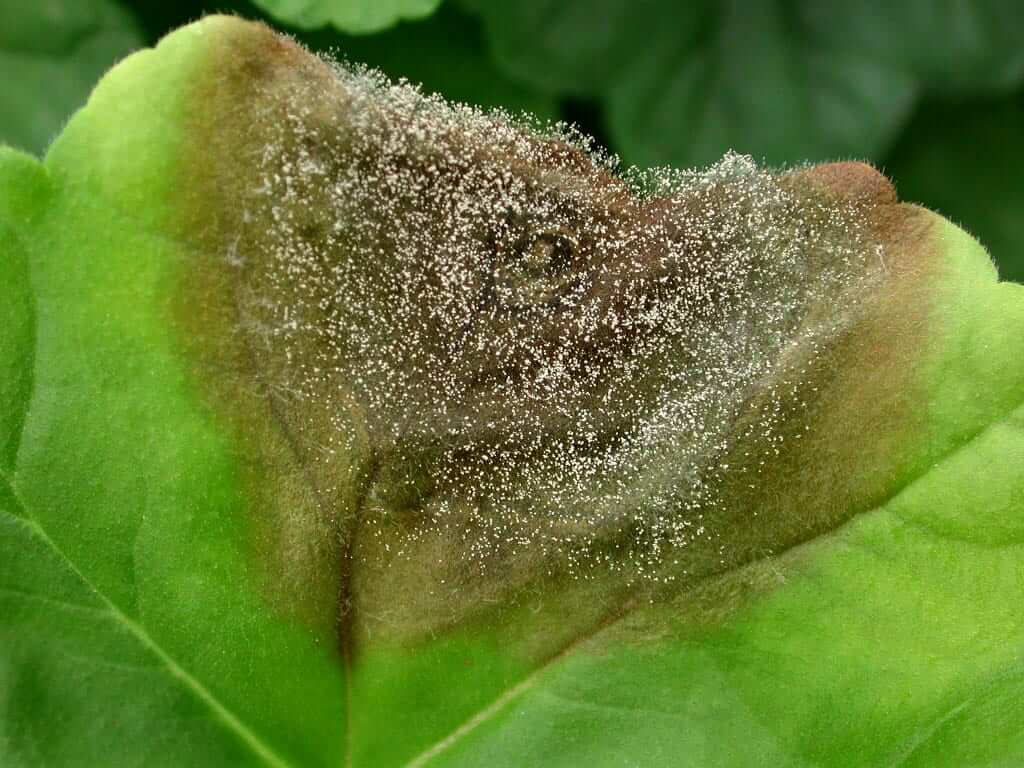
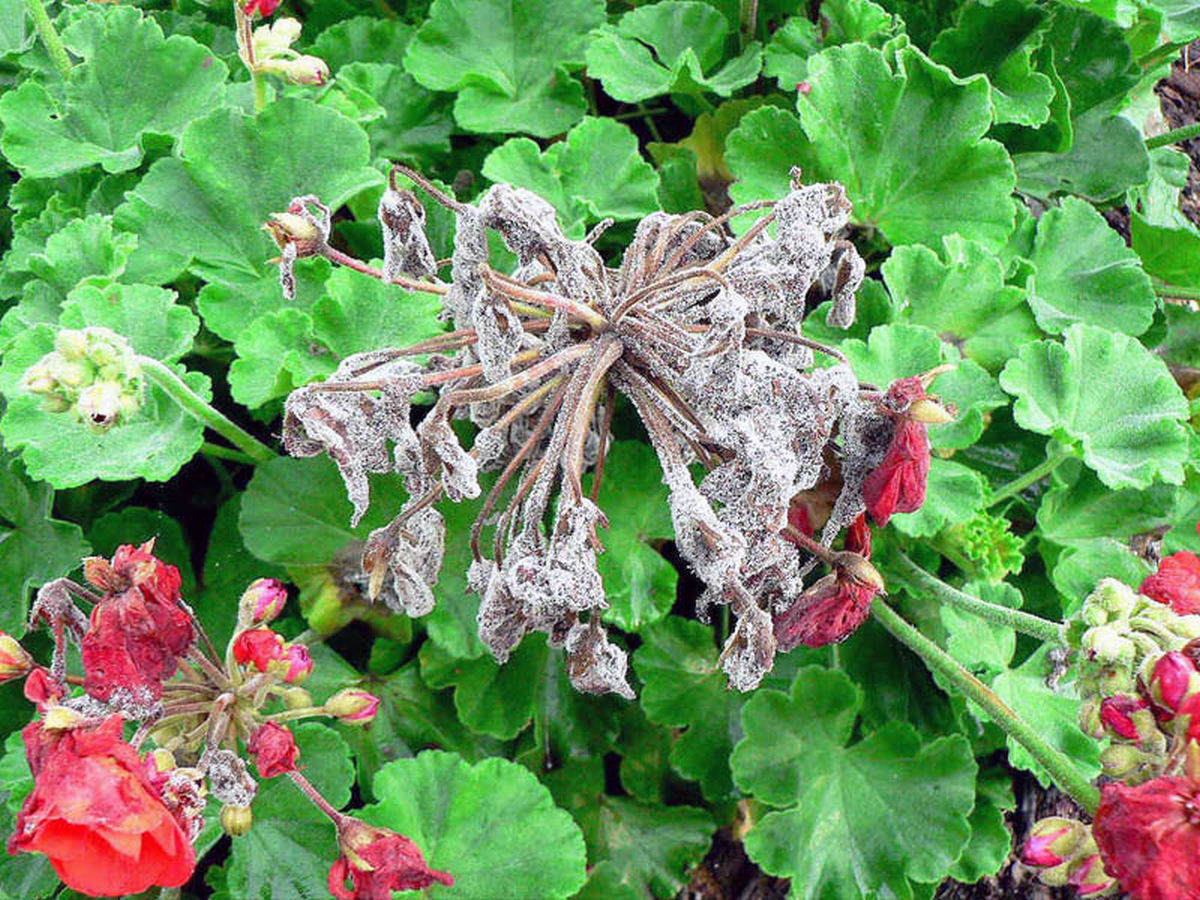
The disease caused by Botrytis sp. In geranium it is known as gray rot. This disease manifests itself mainly in the most tender plant tissues, such as leaves and stems. Symptoms include the appearance of watery Taches on the leaves that subsequently turn brown and are covered with a characteristic gray mold. Additionally, it can cause decay of stems and flowers, leading to wilting and death of the plant if not controlled in time.


TEMPERATURE AND HUMIDITY
15°C - 25°C
90% - 100%

HOW IS IT SPREAD?
Direct contact, transport by wind, transport by irrigation water.

HOW TO REMOVE IT?
Home remedies
There are no home treatments
Chemical treatments
• AZOXISTROBIN 25% [SC] P/V
• CAPTAN 47.5% [SC] P/V
• CIPRODINIL 37.5% + FLUDIOXONIL 25% [WG] P/P
• PHENHEXAMIDE 50% [SC] P/V
• FOLPET 50% [SC] P/V
• FOLPET 80% [WG] P/P
• POTASSIUM HYDROGEN CARBONATE 0.425% [AL] P/V
• LAMINARIN 4.5% [SL] P/S
• PIRACLOSTROBIN 6.7% + BOSCALIDE 26.7% ( ) [WG] P/P
Authorized treatments in organic farming
• POTASSIUM HYDROGEN CARBONATE 0.425% [AL] P/V
• LAMINARIN 4.5% [SL] P/S
Insect allies
PREDATORY MITES
LADYBUGS
LACEWINGS
PARASITIC WASPS
HOVERFLIES OR PARASITIC FLIES
PREDATORY BUGS
There are no natural allies
Mycodiplosis oidii (predatory mosquito)
EFFECTIVE PRODUCTS TO ELIMINATE THIS DISEASE
Sponsored link
Sponsored link


Sponsored link
Sponsored link
Sponsored link


Sponsored link
Sponsored link
Effective against all types of fungi

Sponsored link


Sponsored link
Sponsored link

Sponsored link


Sponsored link
To prevent gray rot in geraniums, it is important to maintain good air circulation around the plants and avoid excess moisture in the soil and the environment. It is also recommended to regularly remove parts of the plant affected by the disease and avoid overhead irrigation, which can increase excess humidity. Regarding control, specific fungicides can be applied to combat the infection and reduce its spread.
Recommendations

Enjoy idMicrobe TOTALLY FREE, with no trial periods.


