

Micosis/Hongos
Cladosporiosis
Cladosporium Fulvum
Pathogen:
Fungus
Type:
Risk to the plant:
INTERMEDIATE
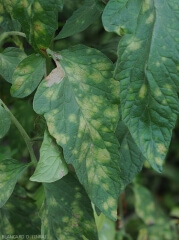
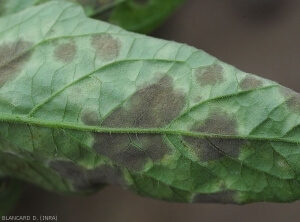

DESCRIPTION
WHO CAUSES IT?
Cladosporiosis is a disease caused by fungi of the genus Cladosporium, which belongs to the Mycosphaerellaceae family. These fungi are ubiquitous microorganisms commonly found in soil, air, and plant surfaces. The best-known species associated with cladosporiosis is Cladosporium fulvum, although other species in the genus can also cause the disease. Cladosporium fungi are saprophytes, meaning they can survive by feeding on dead organic matter. However, they can also act as opportunistic pathogens, especially under conditions favorable for their growth and development, such as high humidity and moderate temperatures.
SYMPTOMS
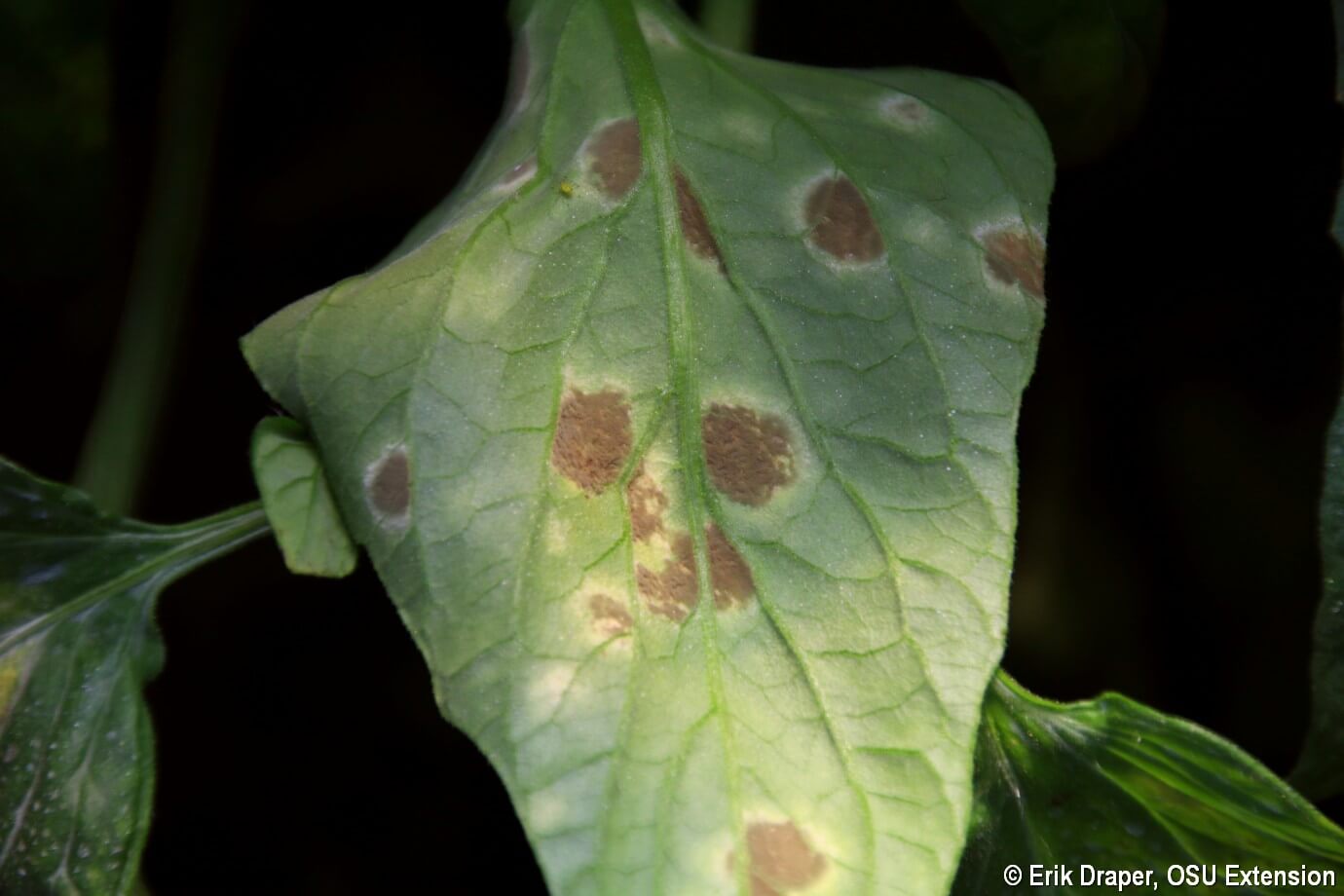
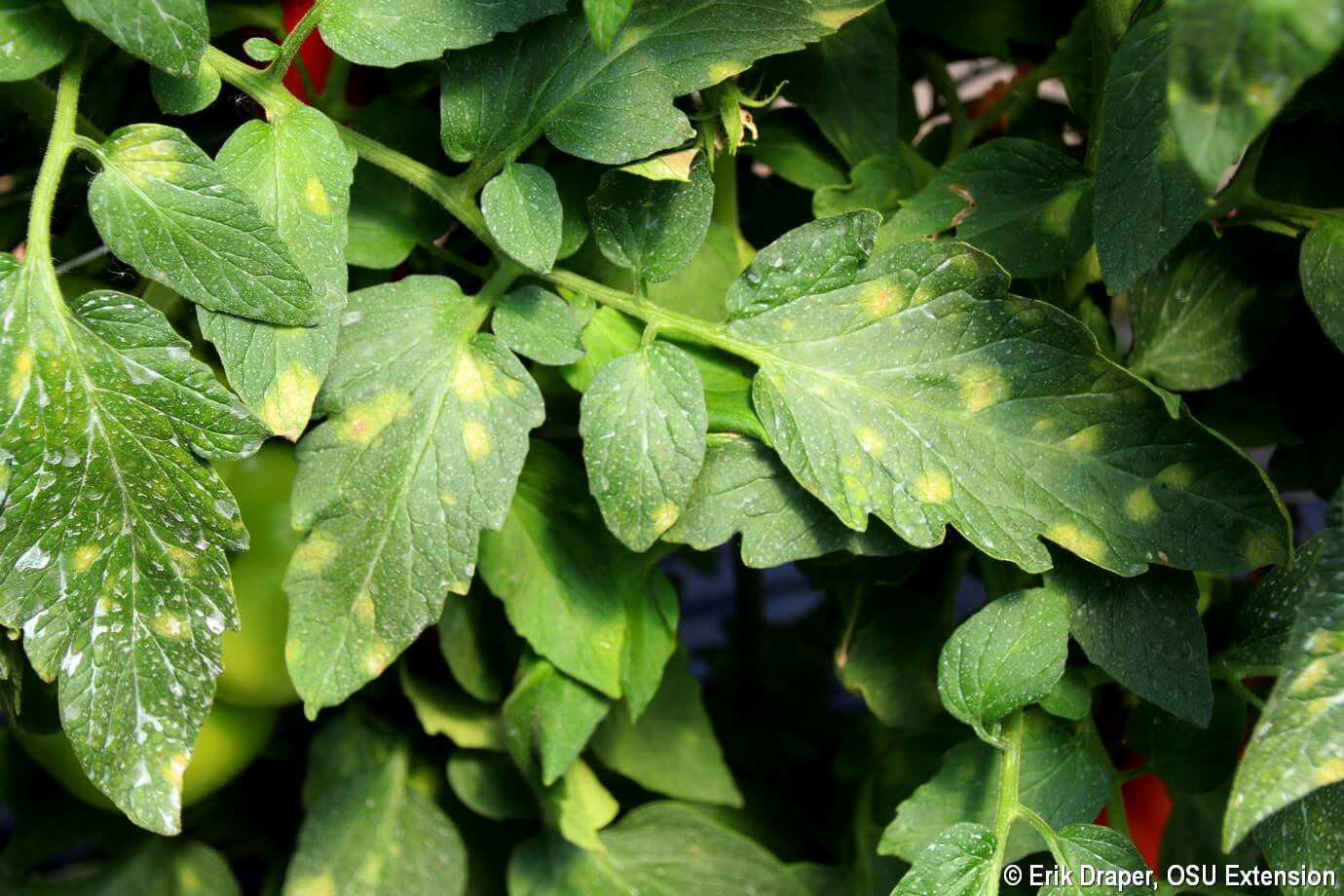
Typical symptoms of cladosporiosis in tomato include the appearance of necrotic Taches on the leaves, which may appear dark brown or black. These Taches usually start on older leaves and can spread to the stems and fruits, causing defoliation and reducing the quality and yield of tomato crops.


TEMPERATURE AND HUMIDITY
20°C -25°C
70% - 90%

HOW IS IT SPREAD?
Wind, direct contact with infected plants, contaminated irrigation water and spread by undisinfected agricultural tools.

HOW TO REMOVE IT?
Home remedies
There are no home treatments
Chemical treatments
• AZOXISTROBIN 20% + DIFENOCONAZOLE 12.5% [SC] P/V
• AZOXISTROBIN 25% [SC] P/V
• DIFENOCONAZOLE 12.5% + CYFLUFENAMIDE 1.5% [DC] P/V
• DIFENOCONAZOLE 25% [EC] P/V
• TEBUCONAZOLE 20% [EW] P/V
• TEBUCONAZOLE 25% [EC] P/V
• TEBUCONAZOLE 25% [EW] P/V
• TEBUCONAZOLE 25% [WG] P/P
• TETRACONAZOLE 10% [EC] P/V
• TETRACONAZOLE 12.5% [ME] P/V
• TETRACONAZOLE 4% [ME] P/V
Authorized treatments in organic farming
-
Insect allies
PREDATORY MITES
LADYBUGS
LACEWINGS
PARASITIC WASPS
HOVERFLIES OR PARASITIC FLIES
PREDATORY BUGS
There are no natural allies
Mycodiplosis oidii (predatory mosquito)
EFFECTIVE PRODUCTS TO ELIMINATE THIS DISEASE
Sponsored link
Sponsored link


Sponsored link
Sponsored link
Sponsored link


Sponsored link
Sponsored link
Effective against all types of fungi

Sponsored link


Sponsored link
Sponsored link

Sponsored link


Sponsored link
To prevent and control cladosporiosis in tomato crops, it is important to implement integrated pest management practices. This may include crop rotation, use of resistant varieties, weed control, and removal of infected crop residues. Additionally, preventative fungicide treatments can be applied and measures taken to improve air circulation and reduce humidity in the growing environment.
Recommendations

Enjoy idMicrobe TOTALLY FREE, with no trial periods.


