

Micosis/Hongos
Purple Spot Or Raspberry Spur Blight
Didymella Applanata
Pathogen:
Fungus
Type:
Risk to the plant:
INTERMEDIATE

DESCRIPTION
WHO CAUSES IT?
Didymella applanata is a fungus that causes the disease known as purple spot or spur blight on raspberries. This fungus overwinters in the remains of infected plants and in lesions on canes. During spring and summer, when moisture conditions are favorable, the fungus produces fruiting structures known as pycnidia in the lesions. These pycnidia release conidia, which are asexual spores spread by splashing water and wind. Conidia germinate on the surface of the canes and young leaves of raspberries, penetrating through wounds or directly through the epidermis. The fungus grows intercellularly, developing fungal structures that destroy host cells and form new lesions. These lesions expand and develop additional pycnidia, completing the infection cycle and ensuring the spread of the pathogen. In addition, the fungus can survive in soil and crop residues for several years, facilitating the perpetuation of the disease from one season to the next.
SYMPTOMS
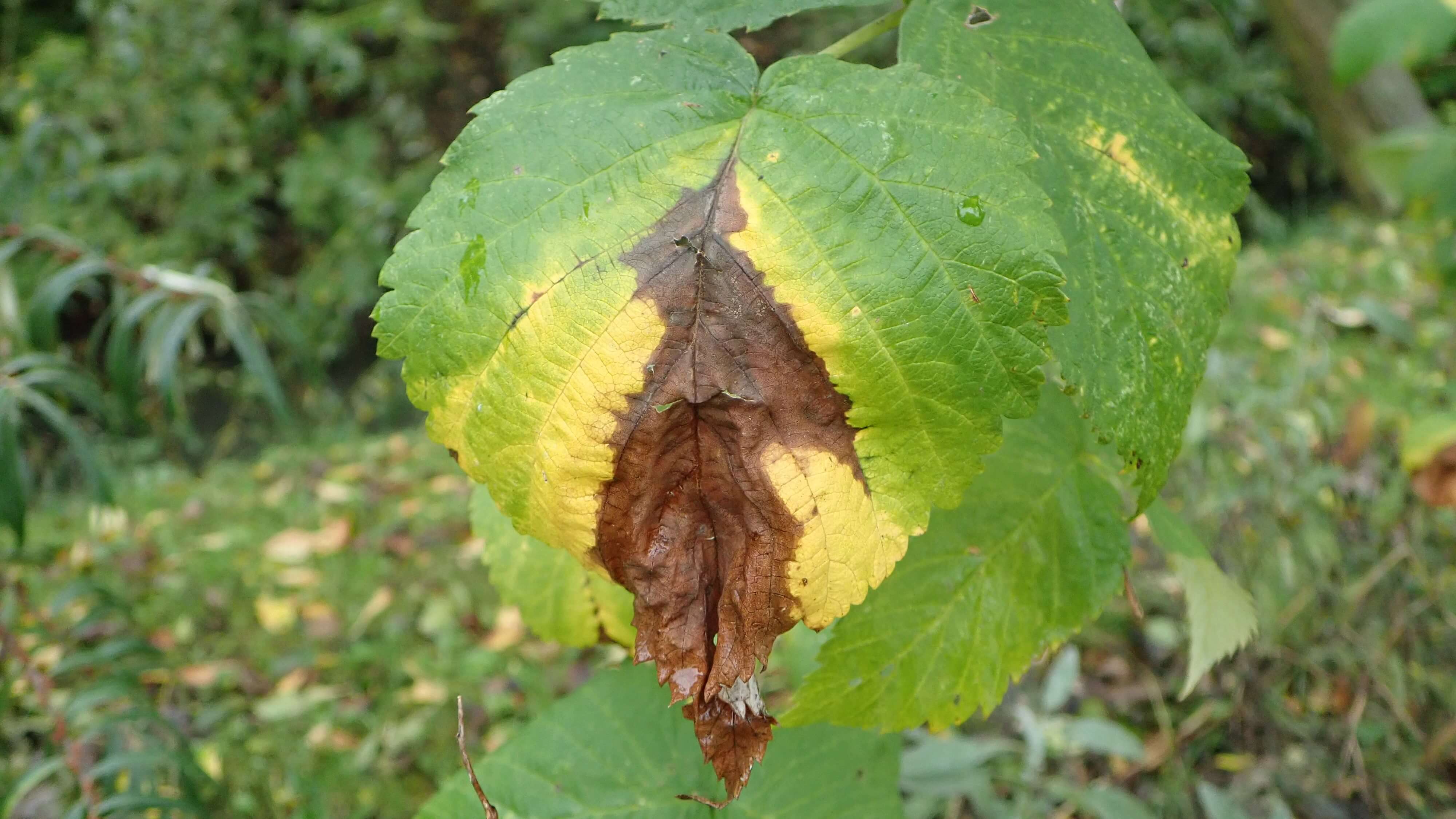
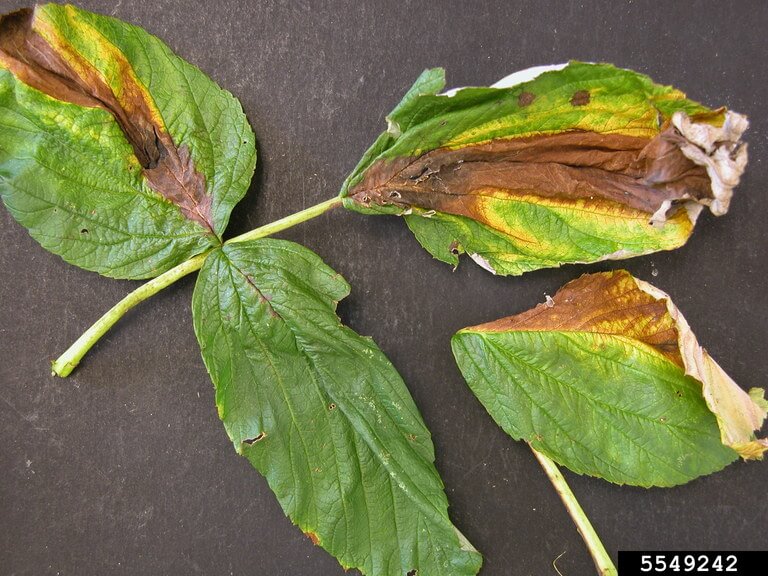
Purple spot or spur blight mainly affects raspberry canes, causing a reduction in productivity and fruit quality. Initial infection occurs in young leaves and canes, spreading throughout the growing season. Infected canes show a characteristic discoloration that varies from purple to dark brown, affecting photosynthesis and plant vitality.
- Purple Taches on the leaves and canes.
- Elliptical lesions on the canes that expand and darken over time.
- Appearance of black pycnidia in the lesions.
- Premature leaf fall.
- Loss of vigor and productivity in affected plants.
- Regressive death of severely infected canes.
- Reduction in the size and quality of the fruits produced.


TEMPERATURE AND HUMIDITY
15°C - 25°C
70% - 90%

HOW IS IT SPREAD?
Wind, water splashes, contaminated agricultural tools, infected plant remains, contaminated soil

HOW TO REMOVE IT?
Home remedies
There are no home treatments
Chemical treatments
• AZOXISTROBIN 25% [SC] P/V
• DIFENOCONAZOLE 25% [EC] P/V
Authorized treatments in organic farming
-
Insect allies
PREDATORY MITES
LADYBUGS
LACEWINGS
PARASITIC WASPS
HOVERFLIES OR PARASITIC FLIES
PREDATORY BUGS
There are no natural allies
Mycodiplosis oidii (predatory mosquito)
EFFECTIVE PRODUCTS TO ELIMINATE THIS DISEASE
Sponsored link
Sponsored link


Sponsored link
Sponsored link
Sponsored link


Sponsored link
Sponsored link
Effective against all types of fungi

Sponsored link


Sponsored link
Sponsored link

Sponsored link


Sponsored link
- Implement an adequate crop rotation to reduce the presence of the pathogen in the soil.
- Remove and destroy remains of infected plants after harvest to reduce the source of inoculum.
- Use raspberry varieties resistant to Didymella applanata when available.
- Ensure good ventilation in crops through adequate spacing between plants and regular pruning.
- Avoid sprinkler irrigation to minimize the spread of spores through splashing water.
- Apply preventive and curative fungicides in a timely manner, following technical recommendations.
- Regularly monitor crops to detect early symptoms of the disease and apply control measures quickly.
- Improve soil drainage to avoid high humidity conditions that favor infection.
- Practice integrated pest and disease management to reduce stress on plants and improve their resistance.
- Perform soil analysis and adjust fertilization to maintain optimal nutritional balance.
Recommendations

Enjoy idMicrobe TOTALLY FREE, with no trial periods.


