

Orugas o gusanos
Heliothis
Helicoverpa Armigera
Pathogen:
Insect
Type:
Risk to the plant:
HIGH

DESCRIPTION
WHO CAUSES IT?
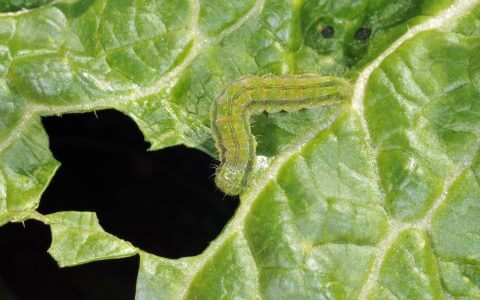
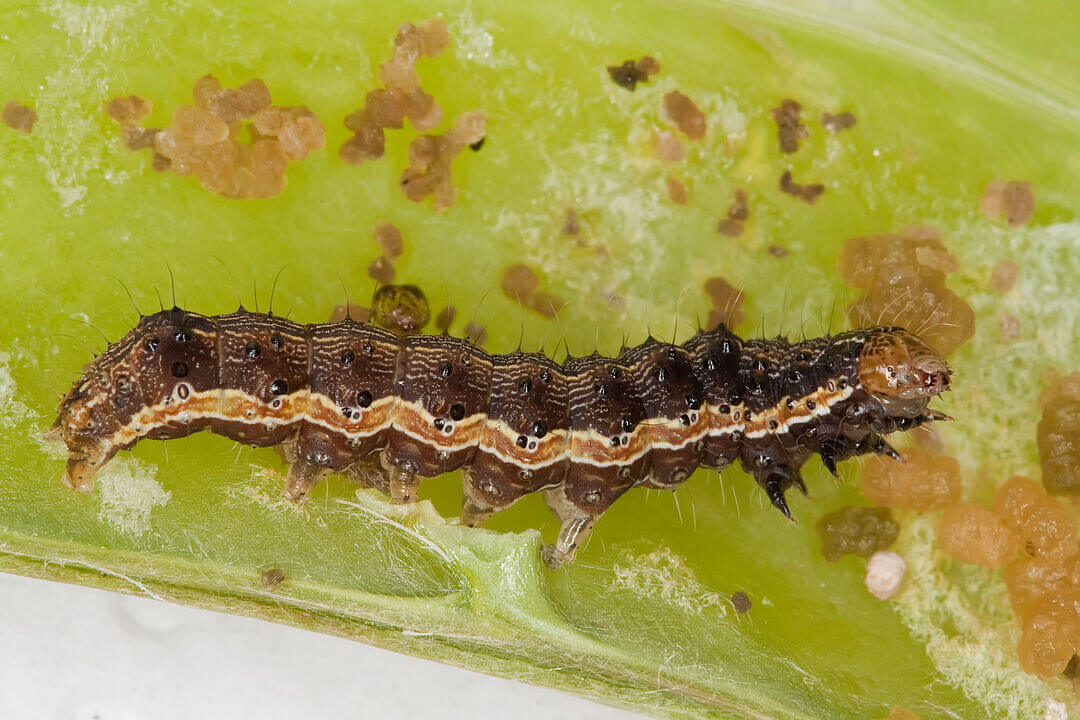
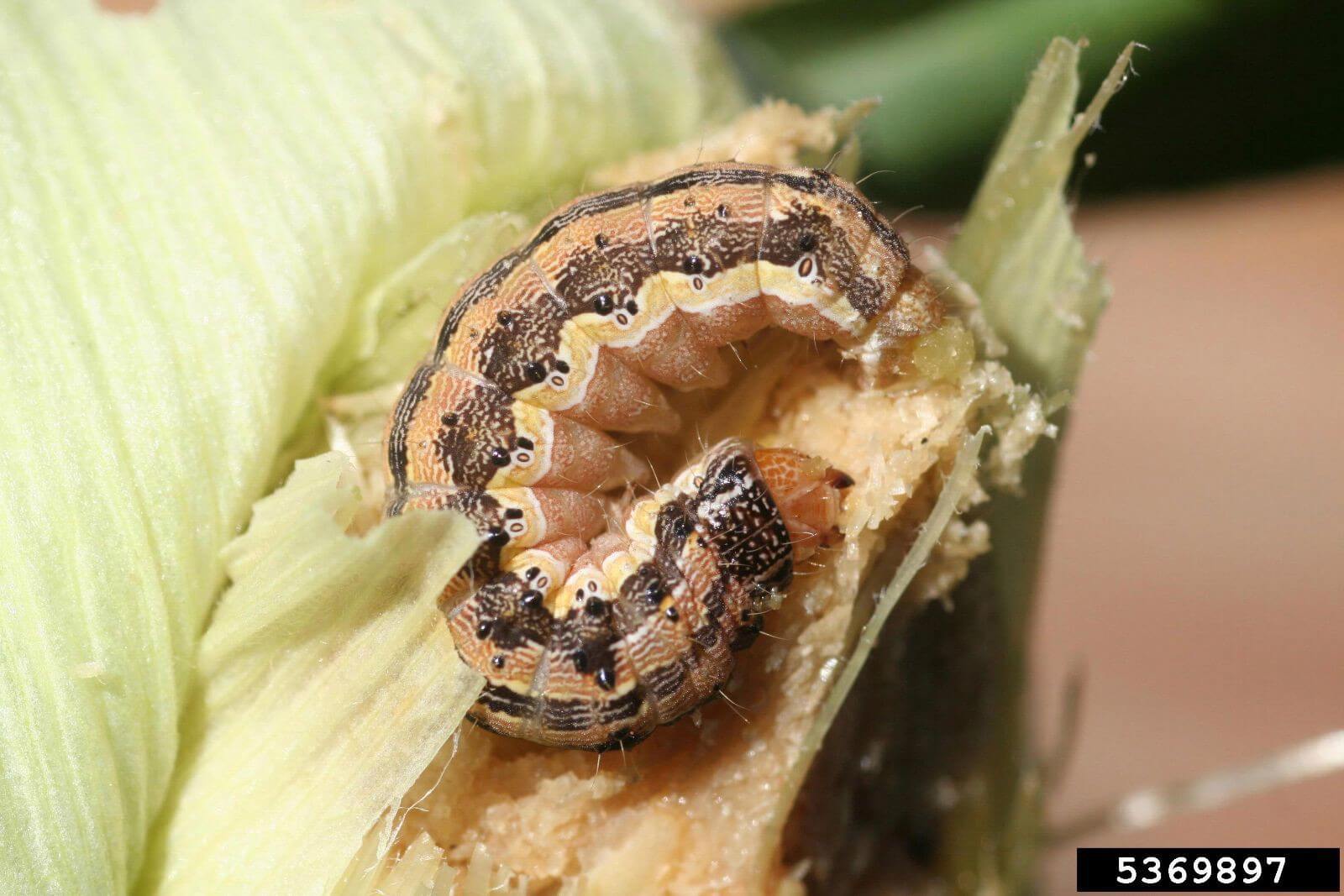
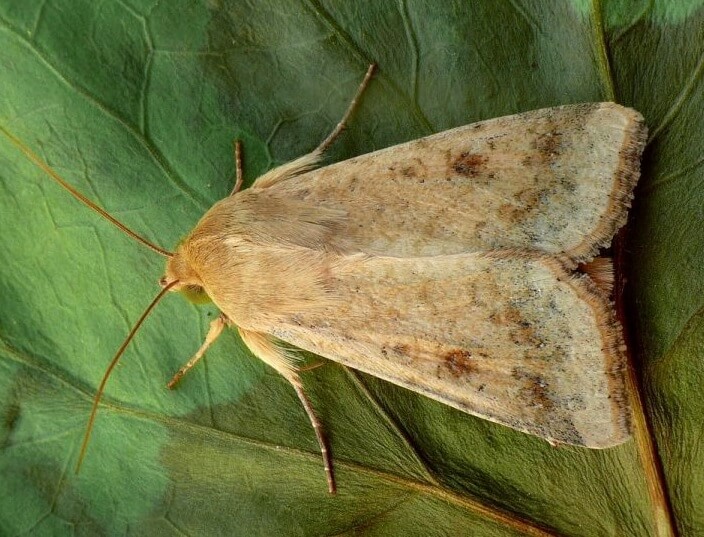
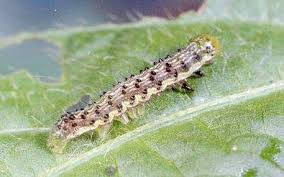
Helicoverpa armigera is a lepidopteran that has become one of the most destructive pests of numerous crops, including spinach and the like. Adult females lay their eggs, usually in isolation, on the leaves or flowers of host plants. The eggs hatch in a few days, giving rise to larvae that go through five or six larval stages before becoming pupae. During their development, the larvae vary in color and size, adapting to be more aggressive as they grow. These larvae are highly voracious and can devour large portions of leaves, as well as pierce and damage shoots. The pupa develops in the soil, in a silk cocoon mixed with soil particles. From this pupa an adult emerges that repeats the cycle, achieving multiple generations in a single year, which increases the damage capacity of this pest.
SYMPTOMS
Heliothis disease, caused by Helicoverpa armigera, causes significant damage to spinach and similar crops due to the destructive action of the larvae. The larvae feed on the leaves and tender shoots, which causes weakening of the plants and directly affects their growth and production capacity. These lesions encourage the entry of secondary pathogens, further aggravating the damage to the crop.
- Holes in the leaves of irregular shape
- Direct damage to the shoots and young parts of the plant
- Loss of vigor in the plant
- Discoloration and deformation of the leaves
- Greater susceptibility to secondary infections

TEMPERATURE AND HUMIDITY
18°C - 35°C
60% - 85%

HOW IS IT SPREAD?
Wind, migration of adults, infested plants, contaminated soil, planting materials, agricultural machinery

HOW TO REMOVE IT?
Home remedies
There are no home treatments
Chemical treatments
-
Authorized treatments in organic farming
-
Insect allies
PREDATORY MITES
LADYBUGS
LACEWINGS
PARASITIC WASPS
HOVERFLIES OR PARASITIC FLIES
PREDATORY BUGS
There are no natural allies
Mycodiplosis oidii (predatory mosquito)
EFFECTIVE PRODUCTS TO ELIMINATE THIS DISEASE
Sponsored link

Sponsored link


Sponsored link
Sponsored link
Sponsored link


Sponsored link
Sponsored link
Effective against all types of fungi

Sponsored link


Sponsored link
Sponsored link

Sponsored link


Sponsored link
- Implement an appropriate crop rotation to interrupt the life cycle of Helicoverpa armigera and reduce pest populations in the field.
- Use pheromone traps to monitor and detect the presence of adults early and apply phytosanitary treatments in a timely manner.
- Promote biological control through the introduction of natural predators such as chrysopids and parasitoid wasps that feed on the larvae of the pest.
- Keep the soil covered by planting cover crops to make it difficult for larvae to pupate in the soil.
- Apply biological insecticides based on Bacillus thuringiensis during the first larval stages, when they are most vulnerable to treatment.
- Avoid excessive use of chemical insecticides to prevent resistance and maintain ecological balance in the field.
- Destroy the remains of infested crops and control weeds around the fields, since these plants can serve as alternative hosts.
Recommendations

Enjoy idMicrobe TOTALLY FREE, with no trial periods.


