

Fusariosis
Vascular diseases: what they are, how they develop and how to combat them in decorative plants (garden or indoors)
Vascular diseases
Fusarium, Verticillium, Phytophthora, Pythium
Pathogen:
Fungus
Type:
Risk to the plant:
ALTO
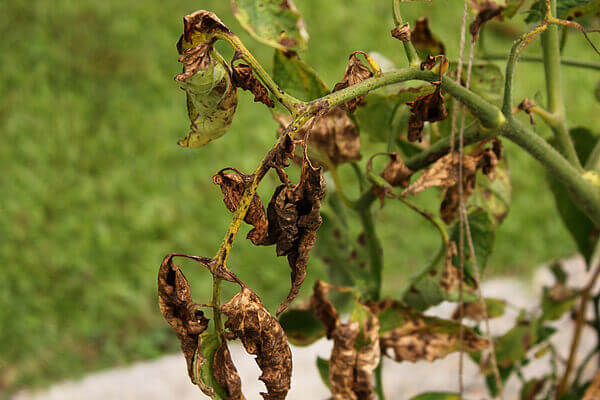
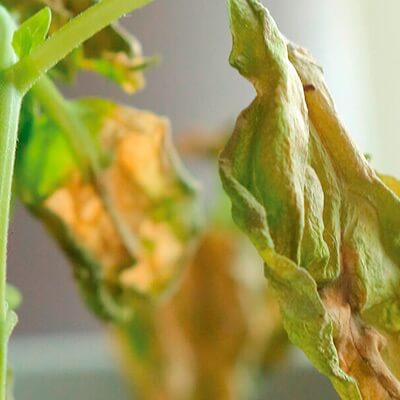

DESCRIPTION
WHO CAUSES IT?
Vascular fungi are a group of pathogens that infect the plant's vascular system, primarily the xylem, hindering the transport of water and nutrients from the roots to the rest of the plant. Among the most important genera are Fusarium, Verticillium, Phytophthora, Pythium, and Botryosphaeria, responsible for some of the most destructive diseases in numerous crops. These pathogens generally enter through the roots, the crown, or wounds, colonizing the vascular system and spreading throughout the plant. During their development, they can produce spores and resistant structures capable of surviving for long periods in the soil, plant debris, or infected tissues. Invasion of the vascular system causes blockage of the vessels by mycelium, spores, and the plant's own defense mechanisms, reducing the transport of water and nutrients. As a result, symptoms of wilting, decline, branch dieback, and, in the most severe cases, plant death appear.
SYMPTOMS
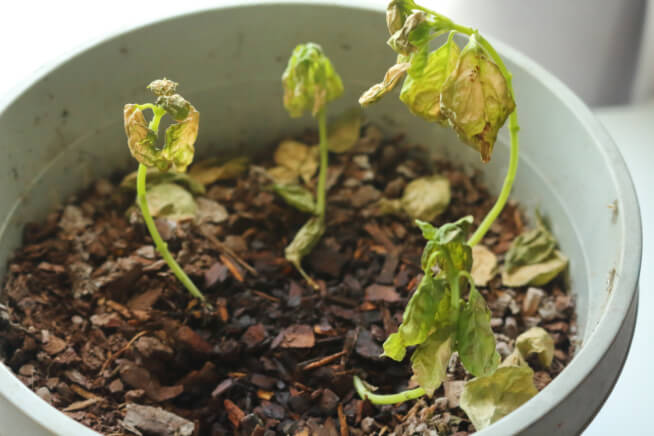
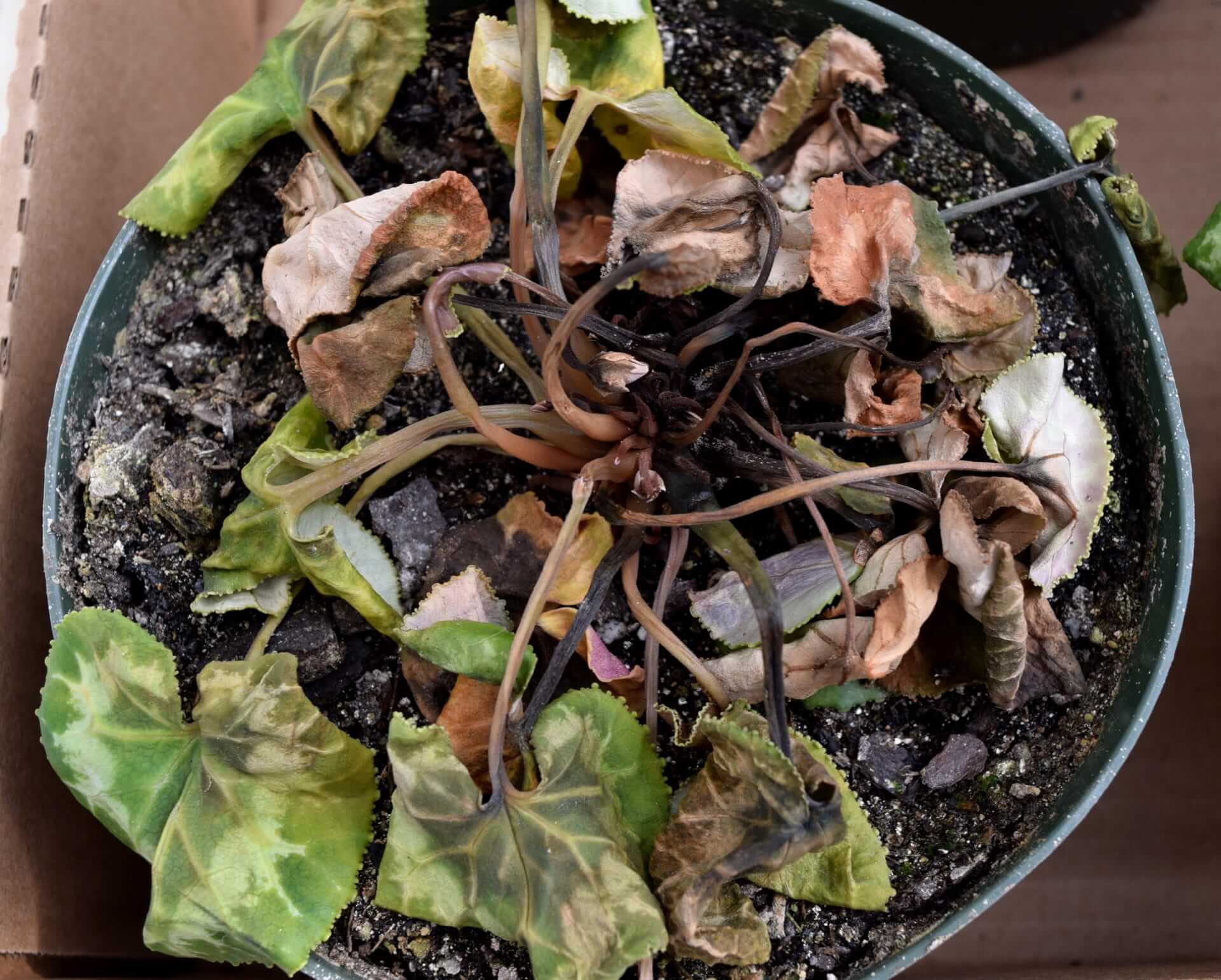
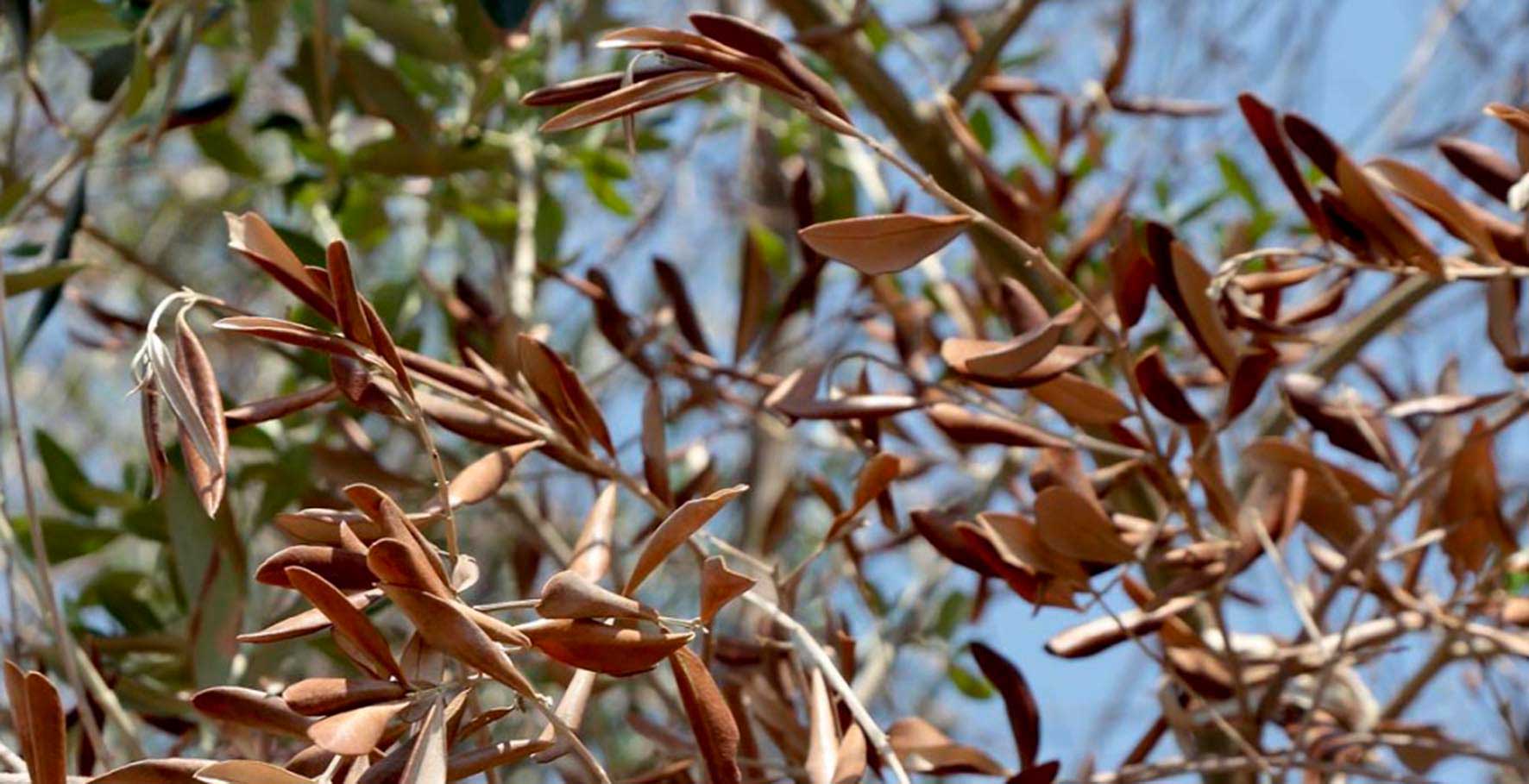
Vascular diseases cause a progressive disruption of water and nutrient transport within the plant. The first symptoms usually appear in leaves and shoots, later progressing to general weakening. Internal discoloration of the vascular tissue is frequently observed, visible when cuts are made in stems or branches. Depending on the pathogen and the crop, the progression can be slow or very rapid, causing significant yield losses and even plant death.
• Progressive wilting of leaves and shoots
• Yellowing or chlorosis of leaves
• Necrosis of leaves and branches
• General decline of the plant
• Darkening or browning of the vascular tissue
• Reduced growth
• Partial drying of branches or shoots
• Premature defoliation
• Plant death in advanced infections

TEMPERATURE AND HUMIDITY
24°C - 30°C
65% - 90%

HOW IS IT SPREAD?
Irrigation water, Contaminated soil, Infected plant debris, Agricultural tools, Wind, Insect vectors, Contaminated seeds

HOW TO REMOVE IT?
Home remedies
There are no home treatments
Chemical treatments
• AZOXISTROBIN 25% [SC] P/V
• CAPTAN 47.5% [SC] P/V
• CIPRODINIL 37.5% + FLUDIOXONIL 25% [WG] P/P
• FOLPET 50% [SC] P/V
• FOLPET 80% [WG] P/P
• PIRACLOSTROBIN 6.7% + BOSCALIDE 26.7% (I) [WG] P/P
Authorized treatments in organic farming
-
Insect allies
PREDATORY MITES
LADYBUGS
LACEWINGS
PARASITIC WASPS
HOVERFLIES OR PARASITIC FLIES
PREDATORY BUGS
There are no natural allies
Mycodiplosis oidii (predatory mosquito)
EFFECTIVE PRODUCTS TO ELIMINATE THIS DISEASE
Sponsored link

Sponsored link


Sponsored link
Sponsored link
Sponsored link


Sponsored link
Sponsored link
Effective against all types of fungi

Sponsored link


Sponsored link
Sponsored link

Sponsored link


Sponsored link
• Use certified, disease-free plants and propagation material.
• Avoid planting in soils with a history of vascular pathogens without proper management.
• Promote good drainage to reduce root stress and infections.
• Avoid wounding roots, the crown, and the trunk during cultivation.
• Disinfect pruning tools between plants to prevent pathogen transmission.
• Remove and destroy severely affected plants to reduce sources of inoculum.
• Remove infected plant debris and avoid adding it to compost.
• Promote a good nutritional balance to improve plant resistance.
• Apply beneficial microorganisms such as Trichoderma spp. when recommended for the crop.
• Carry out authorized preventative treatments when conditions are favorable for disease.
Recommendations

Enjoy idMicrobe TOTALLY FREE, with no trial periods.


