

Seca de ramas y brotes
Dieback
Lasiodiplodia Theobromae / Botryosphaeria Sp.
Pathogen:
Fungus
Type:
Risk to the plant:
HIGH
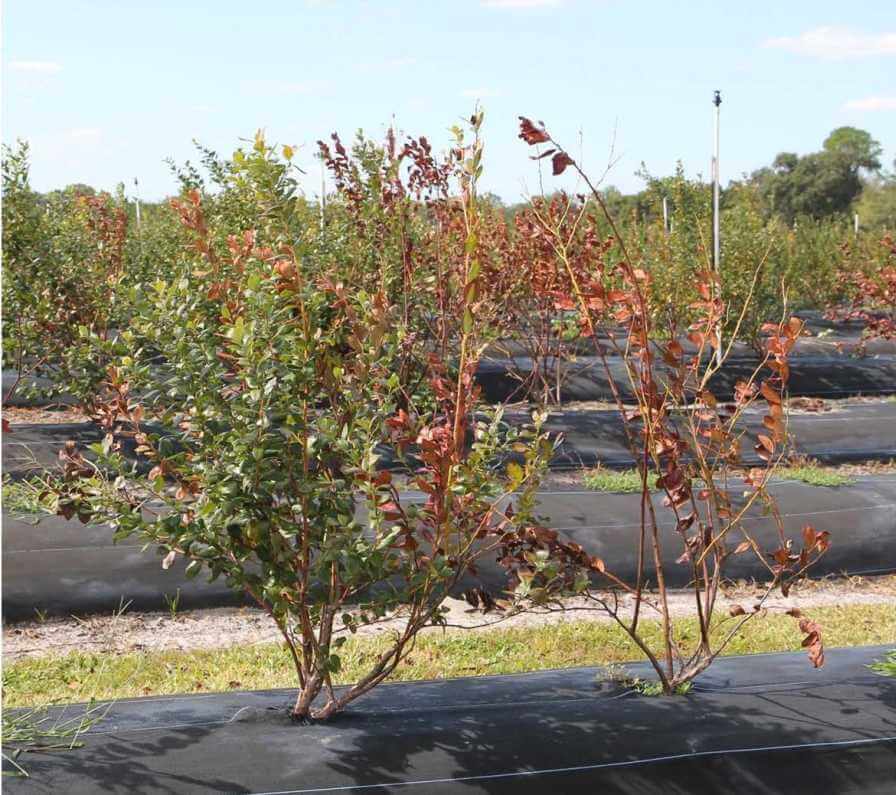
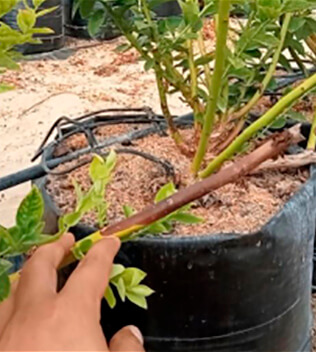

DESCRIPTION
WHO CAUSES IT?
Lasiodiplodia theobromae and Botryosphaeria sp. They are phytopathogenic fungi responsible for the disease known as dieback in various crops, including blueberry. These fungi can survive in the remains of infected plants and in the soil for long periods, favored by warm, humid conditions. During the initial phases of its development, the spores of the fungus germinate and penetrate plant tissues through wounds or natural openings. As the fungus colonizes internal tissues, it develops mycelium and produces reproductive structures called pycnidia, which release asexual spores called conidia. These conidia are spread by wind, water and contaminated tools, which facilitates the spread of the fungus to new plants. Under optimal conditions, Lasiodiplodia theobromae and Botryosphaeria sp. They can complete their infection cycle in a few weeks, causing significant damage to affected crops.
SYMPTOMS
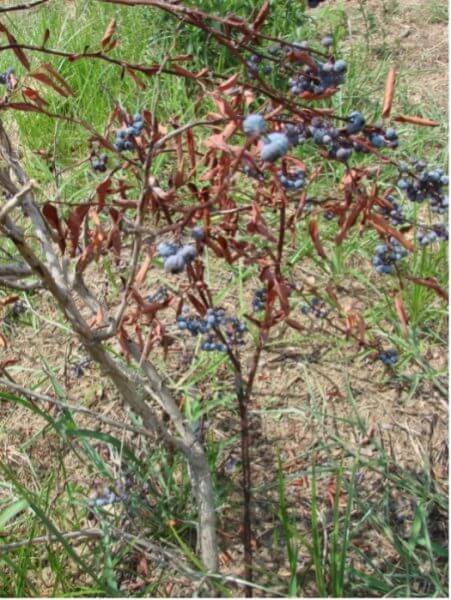
Dieback caused by Lasiodiplodia theobromae and Botryosphaeria sp. In blueberries it is characterized by wilting and necrosis of shoots and branches, which reduces the plant's ability to produce fruit. Fungi attack the vascular tissues of the plant, preventing the transport of water and nutrients and causing a decrease in the vitality of the plant.
- Withering and death of shoots and branches.
- Necrosis and darkening of the cortex.
- Appearance of cankers or lesions on the stems.
- Reduction in the production and quality of the fruits.
- Premature defoliation.
- General decline of the plant and loss of vigor.


TEMPERATURE AND HUMIDITY
25°C - 35°C
80% - 100%

HOW IS IT SPREAD?
Wind, Water, Contaminated tools, Remains of infected plants, Vector insects, Direct contact between plants

HOW TO REMOVE IT?
Home remedies
There are no home treatments
Chemical treatments
There are no effective treatments against this pathogen. It is recommended to cut infected branches and remove them. In the case of severe infections, it is recommended to remove the tree. It is important to disinfect tools after contact with an infected tree.
Authorized treatments in organic farming
There are no effective treatments against this pathogen. It is recommended to cut infected branches and remove them. In the case of severe infections, it is recommended to remove the tree. It is important to disinfect tools after contact with an infected tree.
Insect allies
PREDATORY MITES
LADYBUGS
LACEWINGS
PARASITIC WASPS
HOVERFLIES OR PARASITIC FLIES
PREDATORY BUGS
There are no natural allies
Mycodiplosis oidii (predatory mosquito)
EFFECTIVE PRODUCTS TO ELIMINATE THIS DISEASE
Sponsored link
Sponsored link


Sponsored link
Sponsored link
Sponsored link


Sponsored link
Sponsored link
Effective against all types of fungi

Sponsored link


Sponsored link
Sponsored link

Sponsored link


Sponsored link
- Carry out regular inspections of the blueberry crop to detect early signs of infection.
- Prune and eliminate infected parts of the plant, disposing of them properly to prevent the spread of the fungus.
- Avoid wounds on plants during cultural work, as they can serve as entry points for the fungus.
- Disinfect pruning tools and work equipment to reduce the risk of transmission.
- Maintain good soil drainage and avoid excess watering, since excessive humidity favors the development of the fungus.
- Apply preventive and curative fungicides following technical recommendations and rotating active ingredients to avoid resistance.
- Promote integrated pest and disease management practices, combining cultural, biological and chemical methods.
- Use healthy and certified plants when establishing new plantations.
- Improve foliage aeration through adequate pruning and management of planting density.
Recommendations

Enjoy idMicrobe TOTALLY FREE, with no trial periods.


