


Moho blanco
Sclerotia disease: what it is, how it occurs, and how to effectively eliminate it
Sclerotium Disease
Sclerotium Rolfsii
Pathogen:
Fungus
Type:
Risk to the plant:
INTERMEDIATE

DESCRIPTION
WHO CAUSES IT?
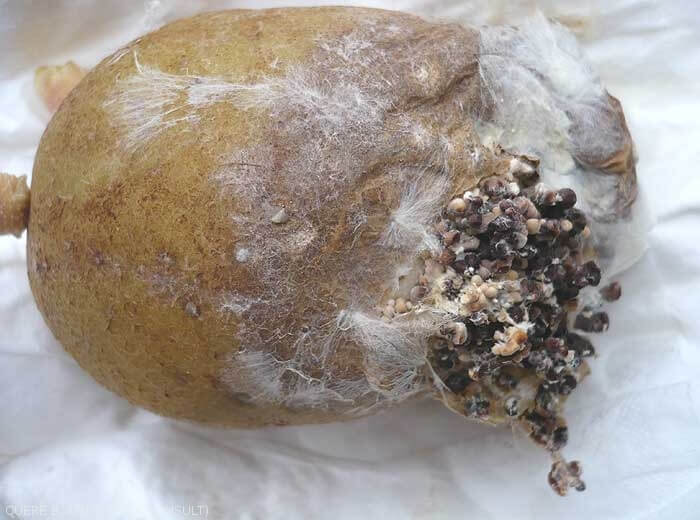
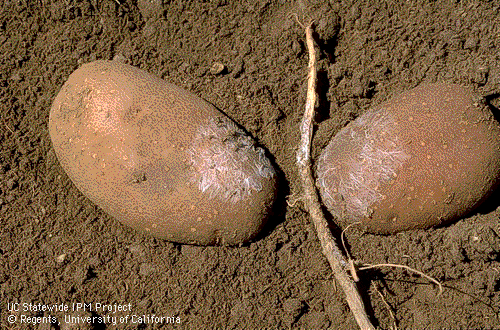
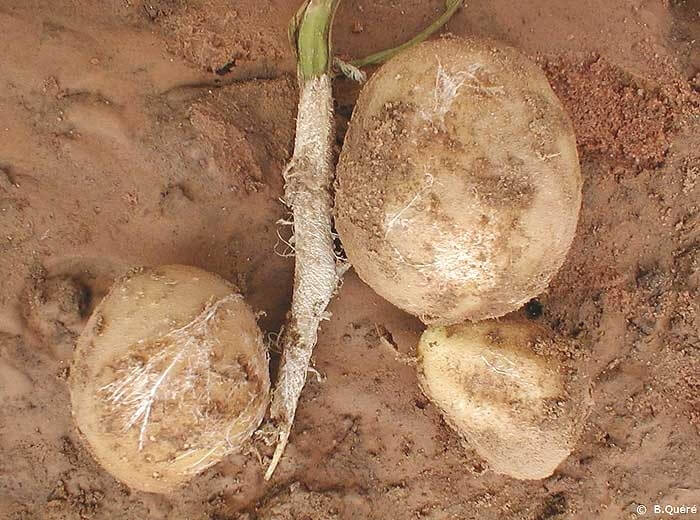
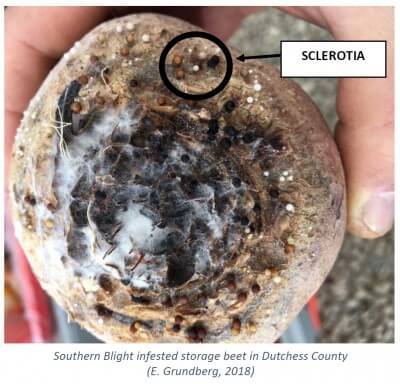
Sclerotium rolfsii is a phytopathogenic fungus that causes the disease known as sclerotium disease in potato crops, as well as in other crops. This fungus forms sclerotia, resistance structures that can survive in the soil for long periods. During its life cycle, the fungus produces mycelium that can invade and colonize the roots and tubers of the potato, causing tissue damage. Sclerotia germinate in warm, moist conditions, allowing the fungus to spread the infection to new plants.
SYMPTOMS
Sclerotium disease produces a variety of symptoms in potato crops. The disease can cause tuber rot and root necrosis, which can affect the plant's absorption of water and nutrients. Additionally, the fungus can cause wilting and death of plants in severe cases.
• Rot of the tubers and necrosis in the roots.
• Wilting and death of plants in severe cases.
• Reduction in plant growth and vigor.
• Decrease in the quality and quantity of the harvest.


TEMPERATURE AND HUMIDITY
20°C - 35°C
60% - 80%

HOW IS IT SPREAD?
Contaminated soil, sclerotia, contaminated growing tools, direct contact with infected plants or tubers.

HOW TO REMOVE IT?
Home remedies
There are no home treatments
Chemical treatments
-
Authorized treatments in organic farming
-
Insect allies
PREDATORY MITES
LADYBUGS
LACEWINGS
PARASITIC WASPS
HOVERFLIES OR PARASITIC FLIES
PREDATORY BUGS
There are no natural allies
Mycodiplosis oidii (predatory mosquito)
EFFECTIVE PRODUCTS TO ELIMINATE THIS DISEASE

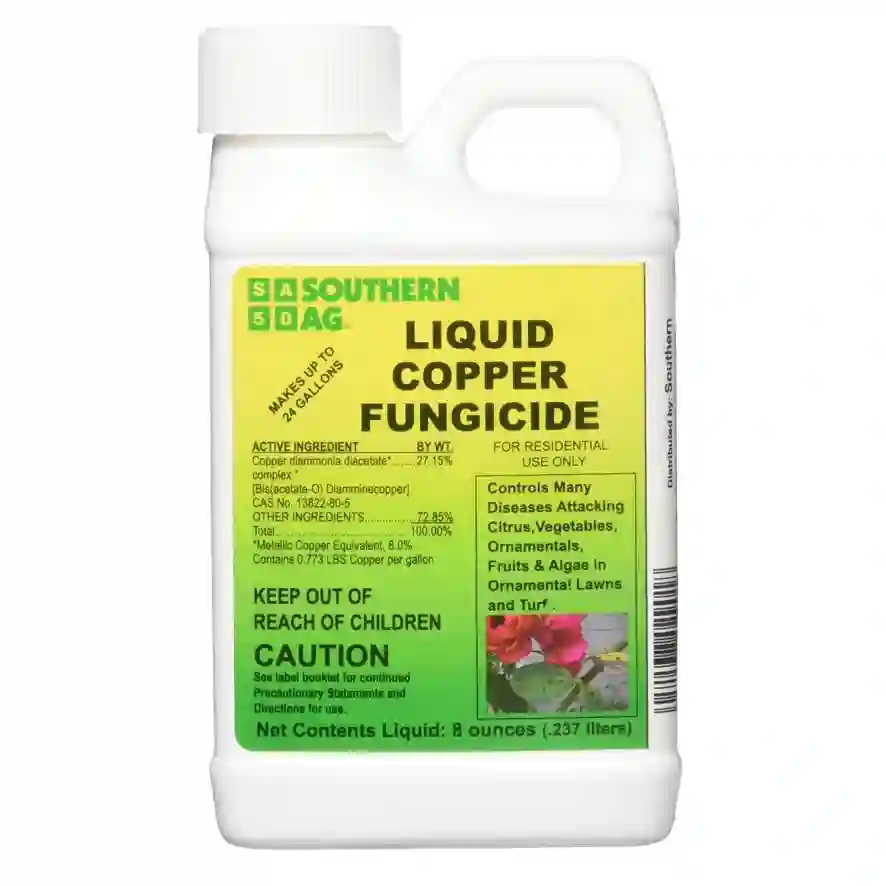


• Use potato varieties resistant to Sclerotium rolfsii.
• Practice crop rotation with non-host plants to reduce the presence of the fungus in the soil.
• Maintain adequate aeration and drainage of the soil to avoid excess moisture.
• Apply specific fungicides according to expert recommendations.
• Remove and destroy infected plant remains to reduce spread.
• Regularly monitor crops for early signs of the disease.
Recommendations



Explore more tools
Services
Contact
Legal
©2023 por ZeriMar Laboratoire. Todos os direitos reservados.