

Micosis/Hongos
Blueberry Plate
Chondrostereum Purpureum
Pathogen:
Fungus
Type:
Risk to the plant:
HIGH
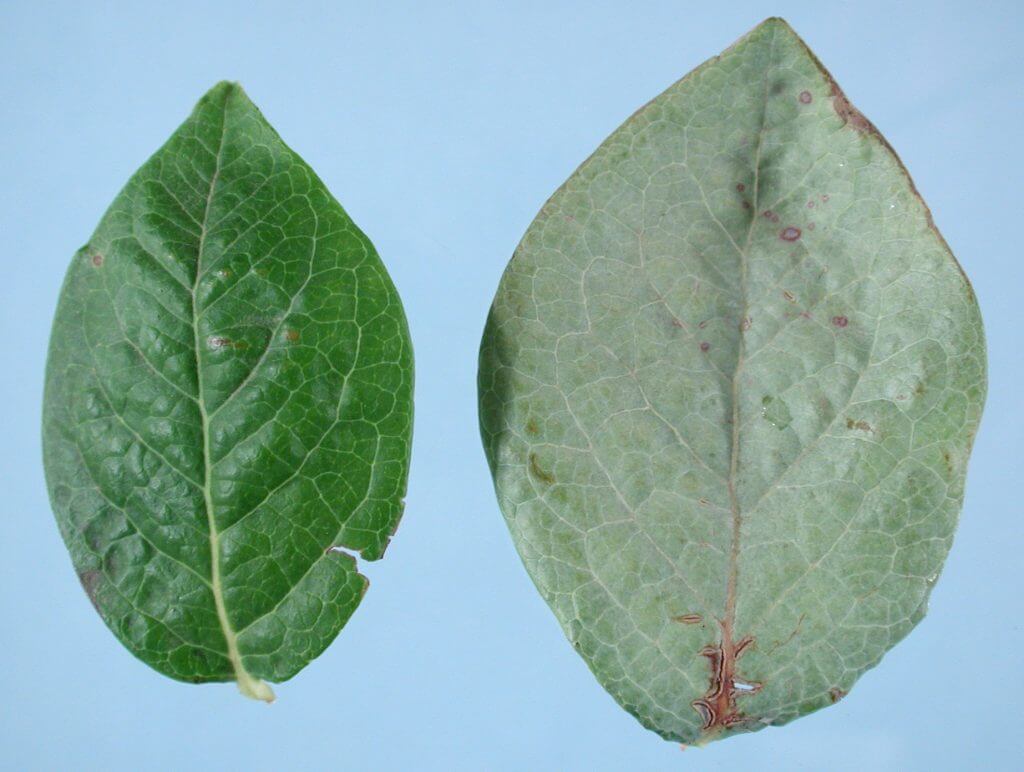
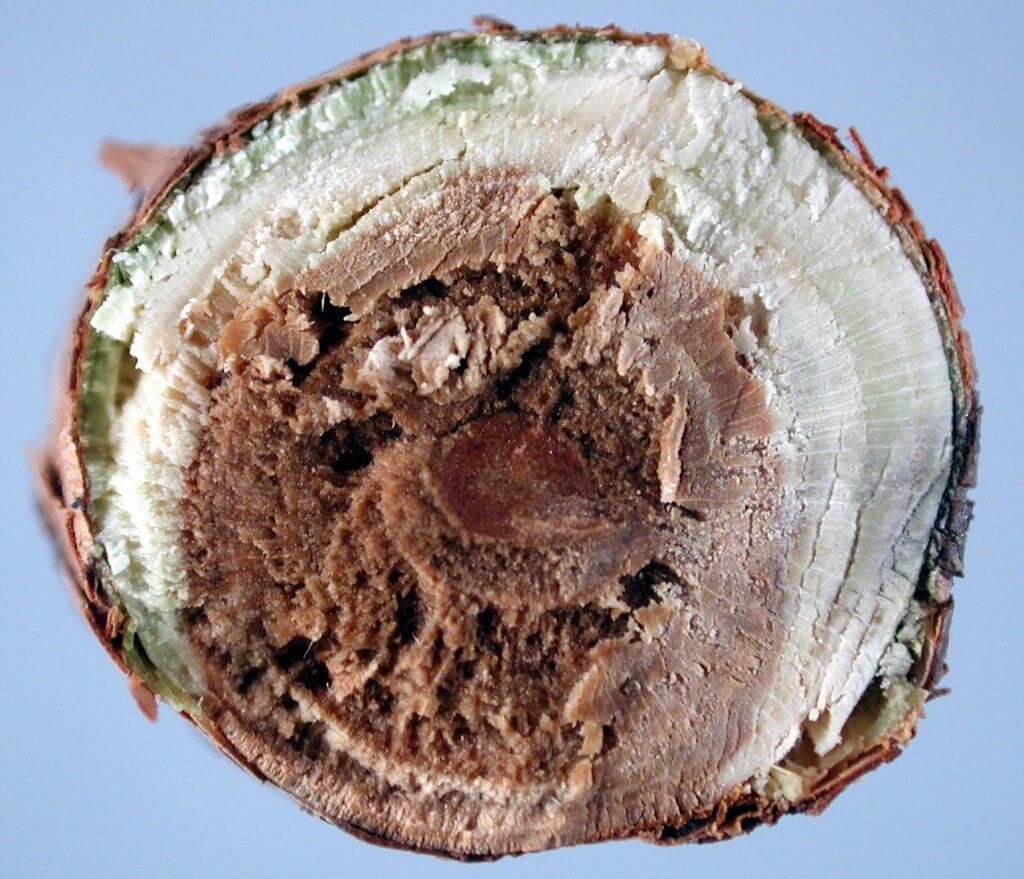

DESCRIPTION
WHO CAUSES IT?
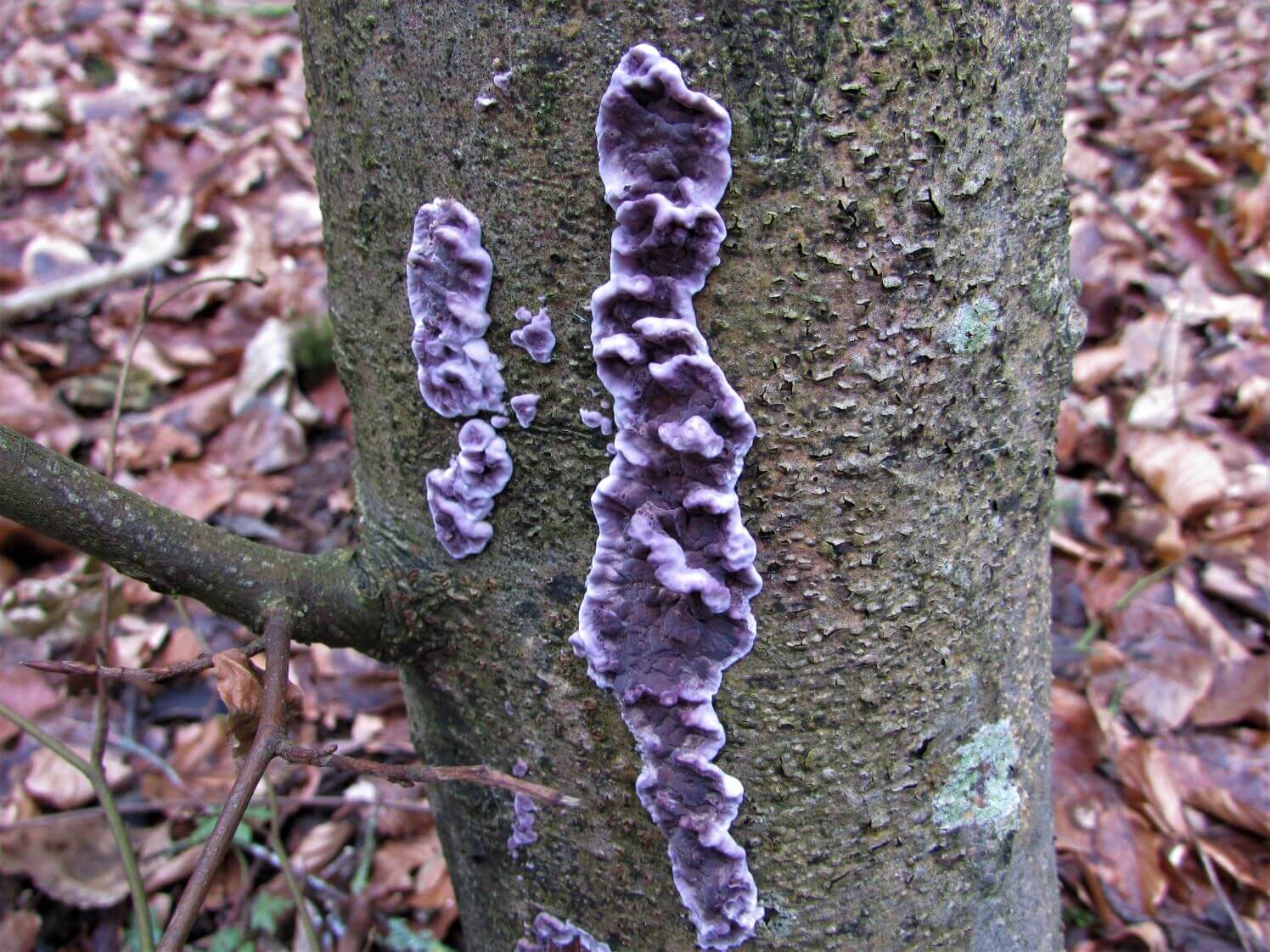
Chondrostereum purpureum is a pathogenic fungus that affects various species of woody plants, including blueberry. This fungus develops mainly in temperate and humid climates. Infection begins when fungal spores, dispersed by wind and water, encounter an open wound on the plant, usually caused by pruning, mechanical damage, or insect infestations. Once inside the plant, the fungus colonizes the vascular tissue and produces a whitish mycelium that spreads through the xylem vessels. Over time, the mycelium turns a characteristic purple color and forms fruiting bodies, called basidiocarps, which are visible on the surface of the infected plant. These bodies release new spores that can start the infection cycle again, especially in conditions of high humidity and moderate temperatures. The survival of the fungus in plant remains and its ability to produce spores over several seasons make its control a significant challenge.
SYMPTOMS
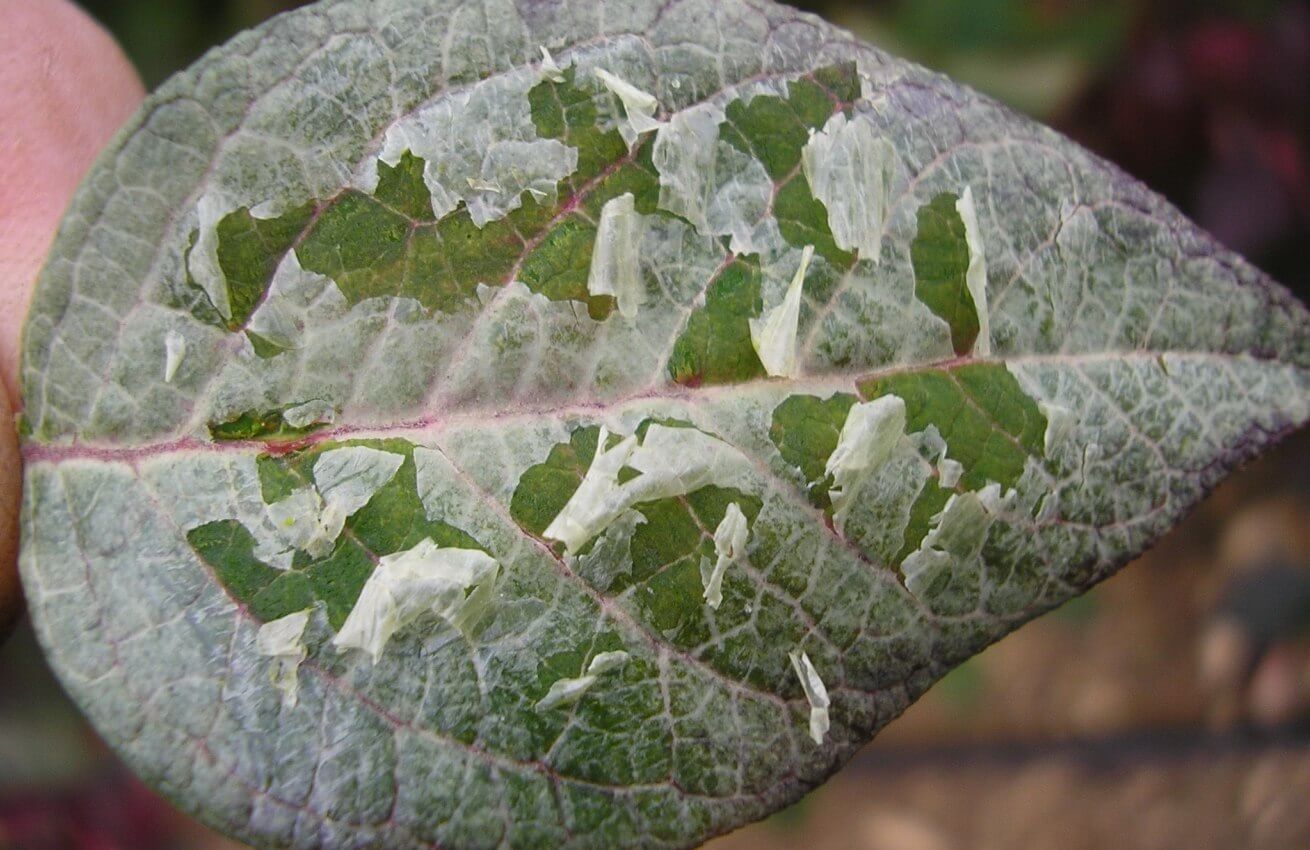
In blueberries, Chondrostereum purpureum causes the disease known as blueberry silver, which can have devastating effects on plant health and productivity. The disease is characterized by discoloration and deterioration of leaves, branches and fruits, affecting both the appearance and yield of the crop. Symptoms may vary depending on the degree of infection and environmental conditions.
- Silver discoloration on the leaves.
- Withering and death of young branches.
- Delayed growth and deformation of new shoots.
- Appearance of necrotic lesions on stems and branches.
- Reduced production and deterioration of fruit quality.
- Formation of purple fruiting bodies on the surface of infected branches.
- General weakening of the plant and susceptibility to other diseases.


TEMPERATURE AND HUMIDITY
10°C - 25°C
70% - 90%

HOW IS IT SPREAD?
Wind, irrigation water, direct contact between plants, contaminated growing tools, infected plant remains

HOW TO REMOVE IT?
Home remedies
There are no home treatments
Chemical treatments
• ORANGE OIL 6% [SL] P/V
• SULFUR 70% [SC] P/V
• SULFUR 80% [SC] P/V
• SULFUR 80% [WG] P/P
• EUGENOL 3.3% + GERANIOL 6.6% + THYMOL 6.6% [CS] P/V
• COPPER OXYCHLORIDE 35% (exp. in Cu) [WG] P/P
• PIRACLOSTROBIN 6.7% + BOSCALIDE 26.7% (I) [WG] P/P
• CUPROCALCIC SULFATE 12.4% (EXPR. IN CU) [SC] P/V
Authorized treatments in organic farming
• ORANGE OIL 6% [SL] P/V
• SULFUR 70% [SC] P/V
• SULFUR 80% [SC] P/V
• SULFUR 80% [WG] P/P
• EUGENOL 3.3% + GERANIOL 6.6% + THYMOL 6.6% [CS] P/V
• COPPER OXYCHLORIDE 35% (exp. in Cu) [WG] P/P
• CUPROCALCIC SULFATE 12.4% (EXPR. IN CU) [SC] P/V
Insect allies
PREDATORY MITES
LADYBUGS
LACEWINGS
PARASITIC WASPS
HOVERFLIES OR PARASITIC FLIES
PREDATORY BUGS
There are no natural allies
Mycodiplosis oidii (predatory mosquito)
EFFECTIVE PRODUCTS TO ELIMINATE THIS DISEASE
Sponsored link
Sponsored link


Sponsored link
Sponsored link
Sponsored link


Sponsored link
Sponsored link
Effective against all types of fungi

Sponsored link


Sponsored link
Sponsored link

Sponsored link


Sponsored link
- Carry out sanitary pruning to eliminate and destroy infected parts of the plants.
- Avoid wounds on plants during cultivation work, since these are entry doors for the fungus.
- Apply pruning sealants and disinfectants to open wounds to prevent infections.
- Ensure good soil drainage to avoid the accumulation of excessive moisture.
- Apply preventive fungicides during periods of highest risk, such as spring and fall.
- Maintain good ventilation between plants to reduce humidity and improve air circulation.
- Disinfect pruning and cultivation tools after each use to prevent the spread of the fungus.
- Implement crop rotation and avoid continuous planting of blueberries in the same place.
- Regularly monitor plants to detect early symptoms and act in a timely manner.
- Avoid sprinkler irrigation, which can favor the spread of fungal spores.
- Use blueberry varieties that are more resistant to blueberry silvering.
Recommendations

Enjoy idMicrobe TOTALLY FREE, with no trial periods.


