

Micosis/Hongos
Soft Rot
Rhizopus Arrhizuss
Pathogen:
Fungus
Type:
Risk to the plant:
HIGH
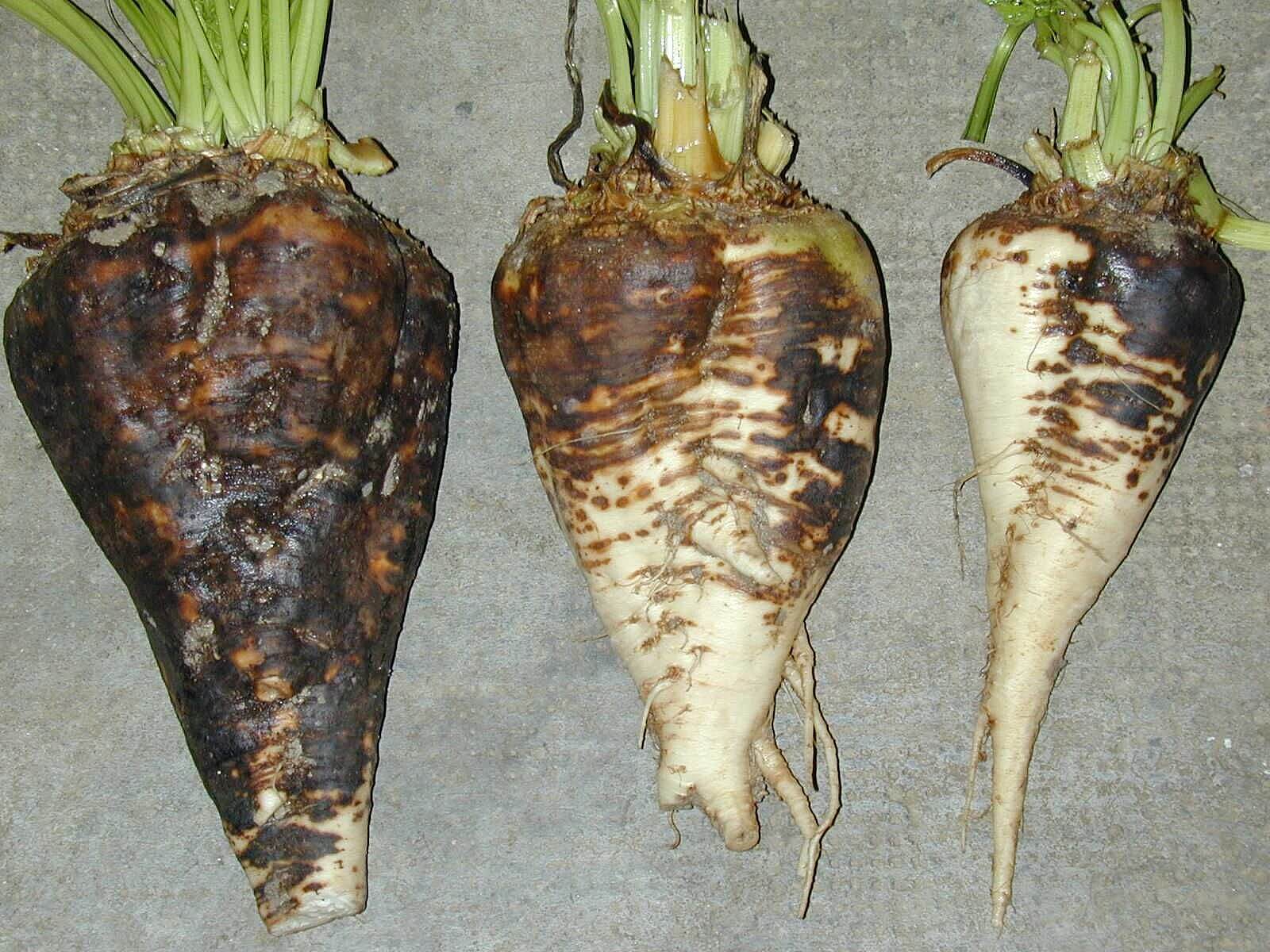
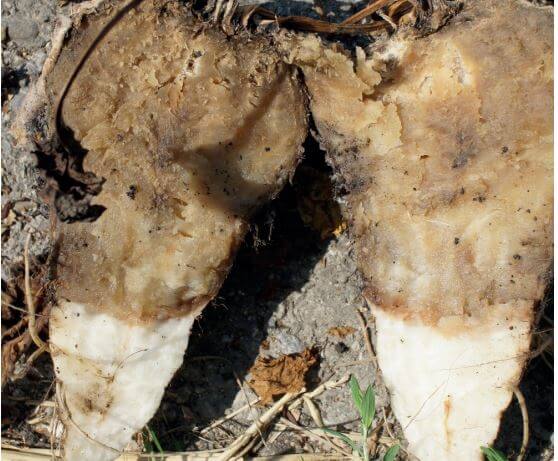

DESCRIPTION
WHO CAUSES IT?
Rhizopus arrhizus is a saprophytic fungus that belongs to the Mucoraceae family and is known for its ability to cause diseases in various plants, including sugar beets. This fungus develops mainly in conditions of high humidity and warm temperatures. R. arrhizus produces sporangia on top of sporangiophores, specialized structures that emerge from the mycelium. Asexual spores (sporangiospores) are generated within the sporangia, which are released when the mature sporangium ruptures. The spores are dispersed by wind, water and insects, and when they find a suitable environment, they germinate, forming new hyphae that invade the plant tissue. This fungus can also produce sexual spores (zygospores) under adverse conditions, allowing it to survive for long periods in soil or plant debris.
SYMPTOMS
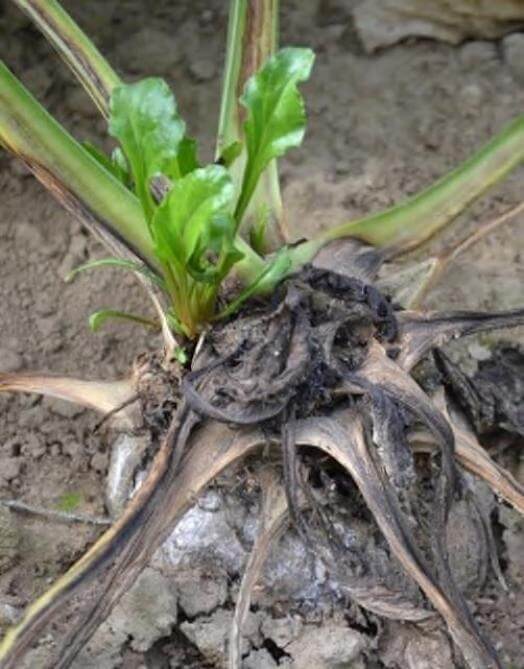
Soft rot in sugar beet caused by Rhizopus arrhizus manifests itself mainly in the roots and crown of the plant. This disease is characterized by rapid decomposition of plant tissue, resulting in a significant loss of root yield and quality. Infection usually begins in wounds or points of damage on the plant, where the fungus penetrates and spreads rapidly. The presence of high humidity and warm temperatures favor the proliferation of the fungus and the severity of the disease.
- Discoloration and softening of the roots.
- Appearance of watery Taches on the surface of the roots.
- Easy detachment of the skin from the root.
- Development of white or gray mold in affected areas.
- Emission of an unpleasant odor due to the decomposition of the fabric.
- Reduction in the size and weight of the roots.
- General loss of vigor and growth of the plant.


TEMPERATURE AND HUMIDITY
25°C - 30°C
80% - 100%

HOW IS IT SPREAD?
Contaminated soil, irrigation water, infected plant remains, agricultural tools, insects

HOW TO REMOVE IT?
Home remedies
There are no home treatments
Chemical treatments
• AZOXISTROBIN 12.5% + DIFENOCONAZOLE 12.5% [SC] P/V
• AZOXISTROBIN 20% + DIFENOCONAZOLE 12.5% [SC] P/V
• SULFUR 70% [SC] P/V
• SULFUR 72% [SC] P/V
• SULFUR 80% [SC] P/V
• SULFUR 80% [WG] P/P
• SULFUR 80% [WP] P/P
• SULFUR 82.5% [SC] P/V
• DIFENOCONAZOLE 25% [EC] P/V
• CUPRIC HYDROXIDE 13.6% (EXPR. IN CU) + COPPER OXYCHLORIDE 13.6% (EXPR. IN CU) [SC] P/V
• CUPROCALCIC SULFATE 20% (EXPR. IN CU) [WG] P/P
• TETRACONAZOLE 10% [EC] P/V
• TETRACONAZOLE 12.5% [ME] P/V
• TETRACONAZOLE 4% [ME] P/V
Authorized treatments in organic farming
• SULFUR 70% [SC] P/V
• SULFUR 72% [SC] P/V
• SULFUR 80% [SC] P/V
• SULFUR 80% [WG] P/P
• SULFUR 80% [WP] P/P
• SULFUR 82.5% [SC] P/V
• CUPRIC HYDROXIDE 13.6% (EXPR. IN CU) + COPPER OXYCHLORIDE 13.6% (EXPR. IN CU) [SC] P/V
• CUPROCALCIC SULFATE 20% (EXPR. IN CU) [WG] P/P
Insect allies
PREDATORY MITES
LADYBUGS
LACEWINGS
PARASITIC WASPS
HOVERFLIES OR PARASITIC FLIES
PREDATORY BUGS
There are no natural allies
Mycodiplosis oidii (predatory mosquito)
EFFECTIVE PRODUCTS TO ELIMINATE THIS DISEASE
Sponsored link
Sponsored link


Sponsored link
Sponsored link
Sponsored link


Sponsored link
Sponsored link
Effective against all types of fungi

Sponsored link


Sponsored link
Sponsored link

Sponsored link


Sponsored link
- Maintain adequate crop rotation to reduce the accumulation of pathogens in the soil.
- Avoid excessive watering and improve soil drainage to reduce moisture around the roots.
- Use certified and pathogen-free seeds, and ensure the cleaning and disinfection of agricultural tools and equipment.
- Carry out adequate management of crop residues, eliminating infected plant remains from the field.
- Implement tillage techniques that reduce damage to roots and minimize wounds that can serve as entry points for the fungus.
- Apply fungicide treatments preventively and follow the recommendations for integrated pest management.
- Improve soil aeration through appropriate agricultural practices to reduce humidity and promote root health.
- Promote the use of sugar beet varieties resistant to Rhizopus arrhizus.
- Regularly monitor the field to detect disease symptoms early and apply control measures in a timely manner.
- Use physical barriers or cover crops to limit the spread of fungal spores.
Recommendations

Enjoy idMicrobe TOTALLY FREE, with no trial periods.


