

Bacteriosis
Soft rot or blackleg: what it is, how it originates, and how to eliminate it effectively
Soft Rot Or Blackleg
Pectobacterium Carotovorum Subsp. Carotovorum
Pathogen:
Bacterium
Type:
Risk to the plant:
HIGH

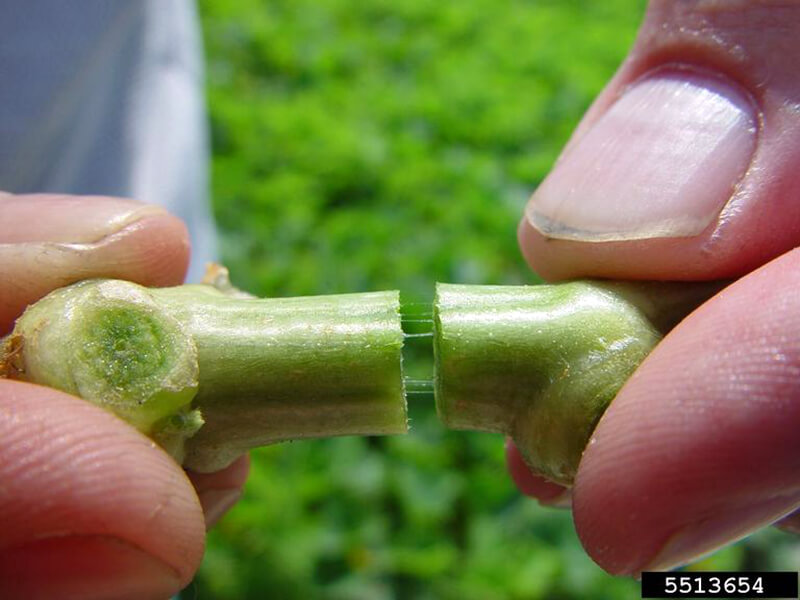

DESCRIPTION
WHO CAUSES IT?
Pectobacterium carotovorum subsp. carotovorum is a Gram-negative bacteria belonging to the Pectobacteriaceae family. This pathogen is known to cause disease in a wide variety of plants. The bacteria multiply in moist conditions and spread through wounds in plant tissues, where they secrete pectinolytic enzymes that break down cell walls. This decomposition results in the maceration of tissues and the release of nutrients, which the bacteria use for growth and reproduction. Initial infection occurs under favorable conditions, such as high humidity and warm temperatures, and the bacteria can survive in plant debris and soil for long periods, facilitating its persistence and spread.
SYMPTOMS
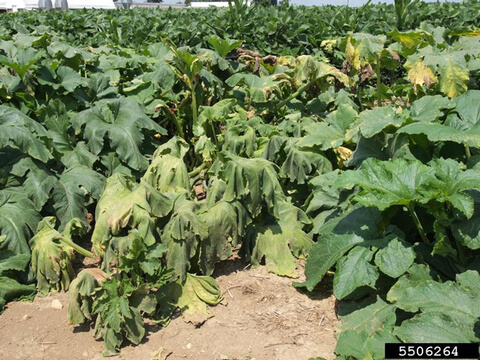
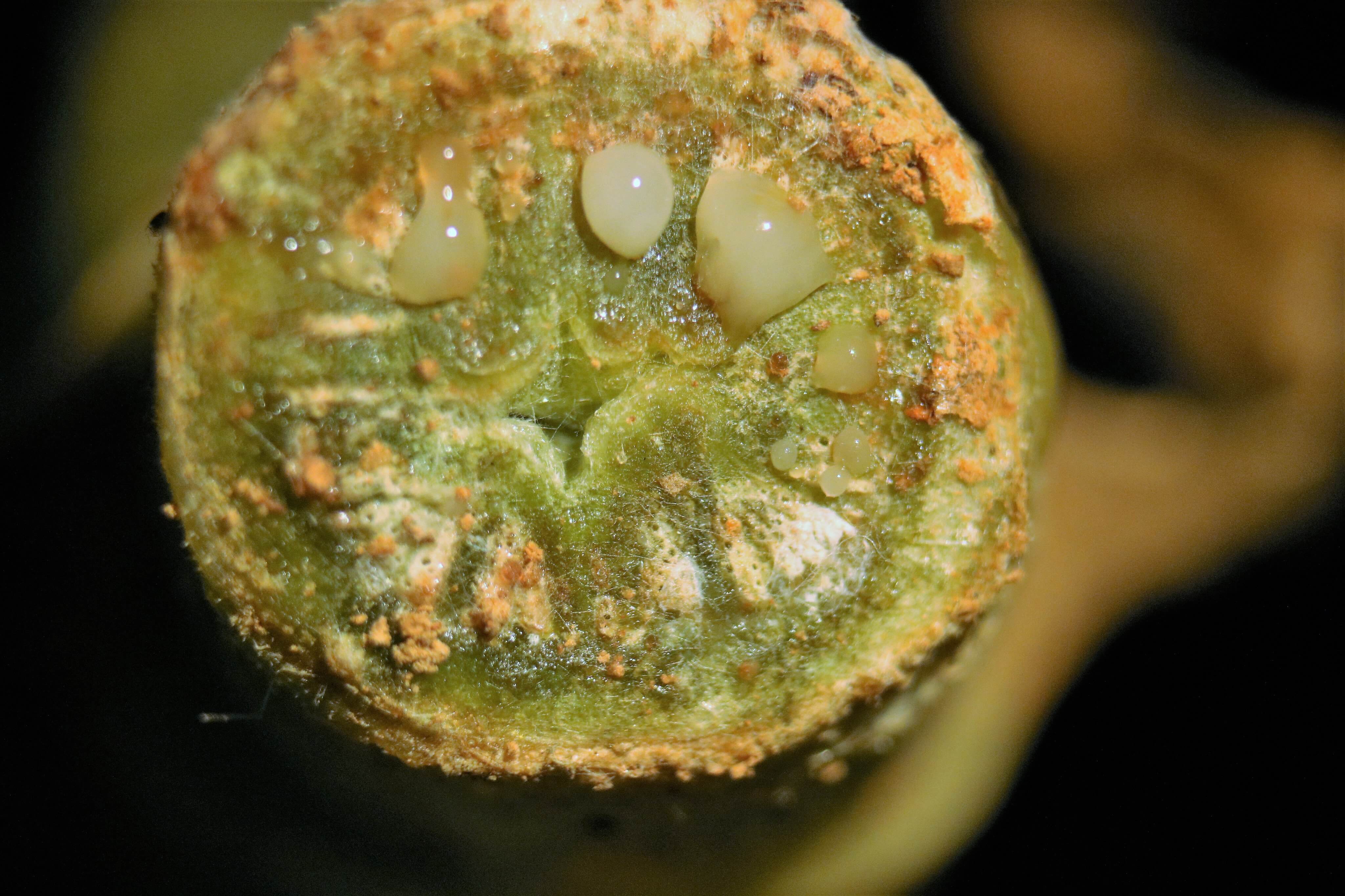
In pumpkins, Pectobacterium carotovorum subsp. carotovorum causes the disease known as soft rot or blackleg. This disease initially manifests as watery Taches on the tissues, which quickly expand and become soft, smelly areas due to bacterial decomposition. Symptoms include:
- Aqueous and soft tissues
- Unpleasant smell
- Discolored Taches that turn black
- Collapse of affected tissues
- Exudation of viscous liquids
- Generalized fruit rot


TEMPERATURE AND HUMIDITY
20-30°C
80-100%

HOW IS IT SPREAD?
Water, Contaminated tools, Contact with infected plants, Insect vectors, Remains of infected crops, Soil

HOW TO REMOVE IT?
Home remedies
There are no home treatments
Chemical treatments
• CUPRIC HYDROXIDE 13.6% (EXPR. IN CU) + COPPER OXYCHLORIDE 13.6% (EXPR. IN CU) [SC] P/V
• CUPRIC HYDROXIDE 20% (EXPR. IN CU) [WG] P/P
• CUPRIC HYDROXIDE 25% (EXPR. IN CU) [WG] P/P
• COPPER OXYCHLORIDE 25% (EXPR. IN CU) [WG] P/P
• COPPER OXYCHLORIDE 30% (EXPR. IN CU) [WP] P/P
• COPPER OXYCHLORIDE 35% (exp. in Cu) [WG] P/P
• COPPER OXYCHLORIDE 35% (EXPR. IN CU) [WG] P/P
• COPPER OXYCHLORIDE 37.5% (EXPR. IN CU) [WG] P/P
• COPPER OXYCHLORIDE 38% (EXPR. IN CU) [SC] P/V
• COPPER OXYCHLORIDE 50% (EXPR. IN CU) [WG] P/P
• COPPER OXYCHLORIDE 50% (EXPR. IN CU) [WP] P/P
• COPPER OXYCHLORIDE 52% (EXPR. IN CU) [SC] P/V
• COPPER OXYCHLORIDE 70% (EXPR. IN CU) [SC] P/V
• CUPROUS OXIDE 75% (EXPR. IN CU) [WG] P/P
• CUPROCALCIC SULFATE 12.4% (EXPR. IN CU) [SC] P/V
• CUPROCALCIC SULFATE 20% (EXPR. IN CU) [WG] P/P
• CUPROCALCIC SULFATE 20% (EXPR. IN CU) [WP] P/P
• CUPROCALCIC SULFATE 20% (EXPR. IN CU) [WG] P/P
• CUPROCALCIC SULFATE 20% [WP] P/P
• TRIBASIC COPPER SULFATE 19% (EXPR. IN CU) [SC] P/V
• TRIBASIC COPPER SULFATE 40% (EXPR. IN CU) [WG] P/P
Authorized treatments in organic farming
• CUPRIC HYDROXIDE 13.6% (EXPR. IN CU) + COPPER OXYCHLORIDE 13.6% (EXPR. IN CU) [SC] P/V
• CUPRIC HYDROXIDE 20% (EXPR. IN CU) [WG] P/P
• CUPRIC HYDROXIDE 25% (EXPR. IN CU) [WG] P/P
• COPPER OXYCHLORIDE 25% (EXPR. IN CU) [WG] P/P
• COPPER OXYCHLORIDE 30% (EXPR. IN CU) [WP] P/P
• COPPER OXYCHLORIDE 35% (exp. in Cu) [WG] P/P
• COPPER OXYCHLORIDE 35% (EXPR. IN CU) [WG] P/P
• COPPER OXYCHLORIDE 37.5% (EXPR. IN CU) [WG] P/P
• COPPER OXYCHLORIDE 38% (EXPR. IN CU) [SC] P/V
• COPPER OXYCHLORIDE 50% (EXPR. IN CU) [WG] P/P
• COPPER OXYCHLORIDE 50% (EXPR. IN CU) [WP] P/P
• COPPER OXYCHLORIDE 52% (EXPR. IN CU) [SC] P/V
• COPPER OXYCHLORIDE 70% (EXPR. IN CU) [SC] P/V
• CUPROUS OXIDE 75% (EXPR. IN CU) [WG] P/P
• CUPROCALCIC SULFATE 12.4% (EXPR. IN CU) [SC] P/V
• CUPROCALCIC SULFATE 20% (EXPR. IN CU) [WG] P/P
• CUPROCALCIC SULFATE 20% (EXPR. IN CU) [WP] P/P
• CUPROCALCIC SULFATE 20% (EXPR. IN CU) [WG] P/P
• CUPROCALCIC SULFATE 20% [WP] P/P
• TRIBASIC COPPER SULFATE 19% (EXPR. IN CU) [SC] P/V
• TRIBASIC COPPER SULFATE 40% (EXPR. IN CU) [WG] P/P
Insect allies
PREDATORY MITES
LADYBUGS
LACEWINGS
PARASITIC WASPS
HOVERFLIES OR PARASITIC FLIES
PREDATORY BUGS
There are no natural allies
Mycodiplosis oidii (predatory mosquito)
EFFECTIVE PRODUCTS TO ELIMINATE THIS DISEASE
Sponsored link
Sponsored link
Sponsored link


Sponsored link
Sponsored link
Sponsored link
Sponsored link


Sponsored link
Sponsored link
Effective against all types of fungi

Sponsored link
Sponsored link


Sponsored link
Sponsored link

Sponsored link
Sponsored link


Sponsored link
- Use certified pathogen-free seeds.
- Implement an adequate crop rotation to avoid the accumulation of pathogens in the soil.
- Maintain good ventilation in crops to reduce excessive humidity.
- Avoid sprinkler irrigation in affected areas to limit the spread of bacteria.
- Remove and destroy remains of infected crops to reduce sources of inoculum.
- Disinfect agricultural tools and equipment to prevent the transmission of the bacteria.
- Apply preventive treatments with authorized bactericides, following the manufacturer's recommendations.
Recommendations

Enjoy idMicrobe TOTALLY FREE, with no trial periods.


