

Micosis/Hongos
Rot or crown rot
Various fungi or bacteria
Pathogen:
Fungi and bacteria
Type:
Risk to the plant:
HIGH
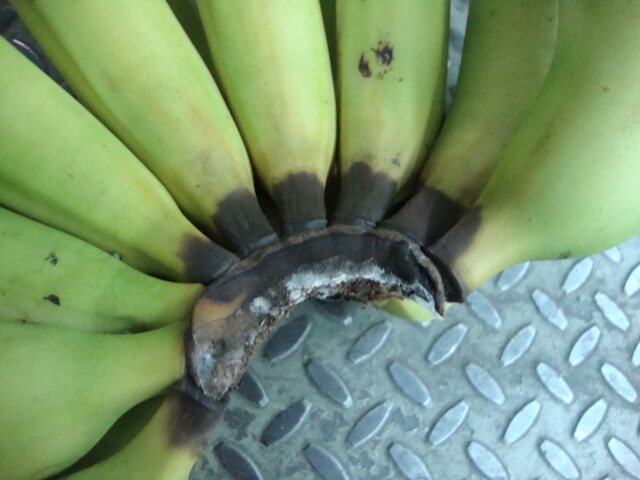
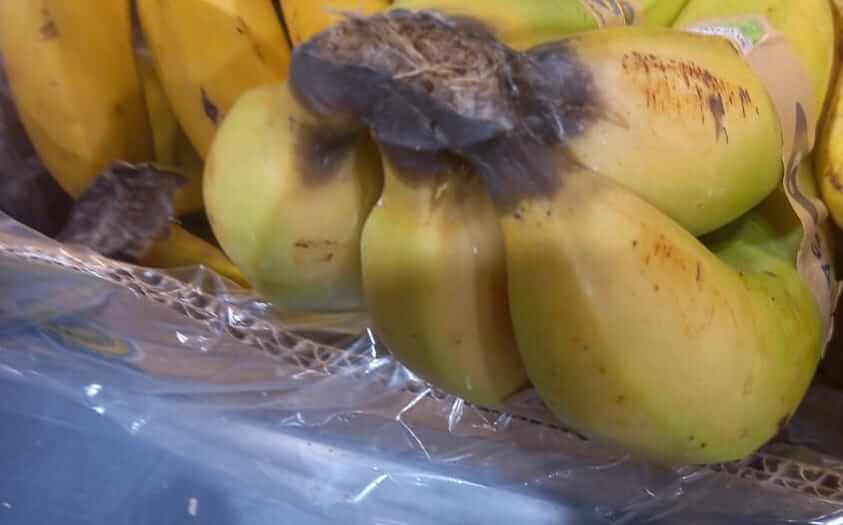

DESCRIPTION
WHO CAUSES IT?
Rot or crown rot in banana trees is caused by various fungi and bacteria found in soil, water and plant debris. Common fungi include Fusarium sp., Colletotrichum sp. and Botryodiplodia sp., while the associated bacteria belong to the genera Erwinia sp. and Pectobacterium sp. These pathogens can remain in the environment for long periods in the form of spores, chlamydospores or in resistant structures within the soil and decomposing organic matter. Infection begins when fungal spores or bacteria come into contact with damaged plant tissues, mainly in conditions of high humidity and favorable temperatures. Once established, bacteria secrete enzymes that degrade tissues, while fungi actively penetrate through specialized structures such as appressoria and hyphae. The disease spreads rapidly in crops with poor drainage, waterlogging, and wounds caused by agricultural practices or pests.
SYMPTOMS
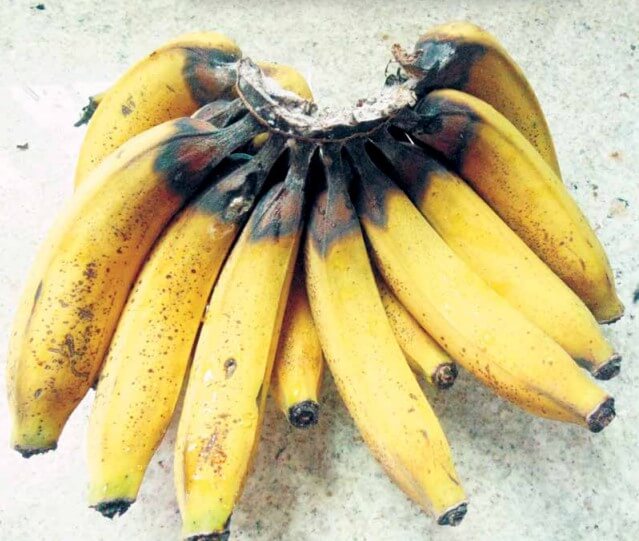
Crown rot mainly affects the base of the pseudostem and the corm of the banana tree, weakening the structure of the plant and hindering its growth. The infection begins with a discoloration and softening of the tissues, which progressively decompose into a blackish, smelly mass. The disease compromises the plant's ability to absorb water and nutrients, resulting in widespread deterioration.
- Necrosis and softening of the base of the pseudostem.
- Progressive darkening of the affected tissues.
- Exudation of liquids with an unpleasant odor in damaged areas.
- Presence of fungal structures on the surface of the diseased tissue.
- Wilting and yellowing of the lower leaves.
- Collapse of the pseudostem and weakening of the plant.
- Death of the banana tree in advanced stages.


TEMPERATURE AND HUMIDITY
20°C - 32°C
85% - 100%

HOW IS IT SPREAD?
Contaminated soil, irrigation water, infected plant remains, agricultural tools, contact between plants, vector insects

HOW TO REMOVE IT?
Home remedies
There are no home treatments
Chemical treatments
• OXYCHLORURE DE CUIVRE 37,5% (EXPR. EN CU) [WG] P/P
• OXYCHLORURE DE CUIVRE 38% (EXPR. EN CU) [SC] P/V
Authorized treatments in organic farming
• OXYCHLORURE DE CUIVRE 37,5% (EXPR. EN CU) [WG] P/P
• OXYCHLORURE DE CUIVRE 38% (EXPR. EN CU) [SC] P/V
Insect allies
PREDATORY MITES
LADYBUGS
LACEWINGS
PARASITIC WASPS
HOVERFLIES OR PARASITIC FLIES
PREDATORY BUGS
There are no natural allies
Mycodiplosis oidii (predatory mosquito)
EFFECTIVE PRODUCTS TO ELIMINATE THIS DISEASE
Sponsored link
Sponsored link


Sponsored link
Sponsored link
Sponsored link


Sponsored link
Sponsored link
Effective against all types of fungi

Sponsored link


Sponsored link
Sponsored link

Sponsored link


Sponsored link
- Use certified, pathogen-free planting material to avoid the introduction of the disease in new plantations.
- Implement adequate soil drainage to avoid the accumulation of moisture, since excess water favors infection.
- Disinfect cutting and pruning tools with fungicidal or bactericidal solutions to avoid transmission between plants.
- Avoid mechanical wounds in the pseudostem and crown during agricultural work, as they facilitate the entry of pathogens.
- Apply integrated management practices, including crop rotation with non-susceptible species to reduce the pathogen load in the soil.
- Remove and destroy affected plants to minimize the spread of the pathogen in the crop.
- Maintain balanced fertilization and improve soil structure to strengthen plant resistance.
- Apply preventive treatments with biological fungicides or copper-based products in areas with a history of the disease.
- Control pests that can cause wounds on the plant, since these can act as vectors for pathogens.
Recommendations

Enjoy idMicrobe TOTALLY FREE, with no trial periods.


