

Pulgones
Aphids
Aphids
Pathogen:
Insect
Type:
Risk to the plant:
INTERMEDIATE
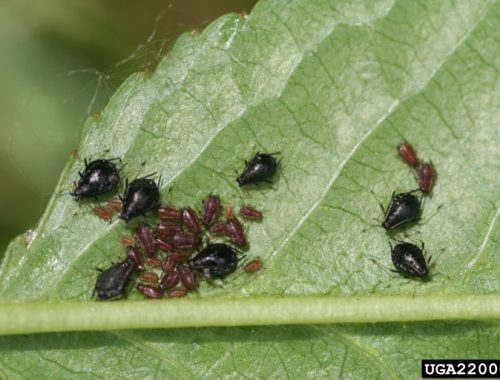
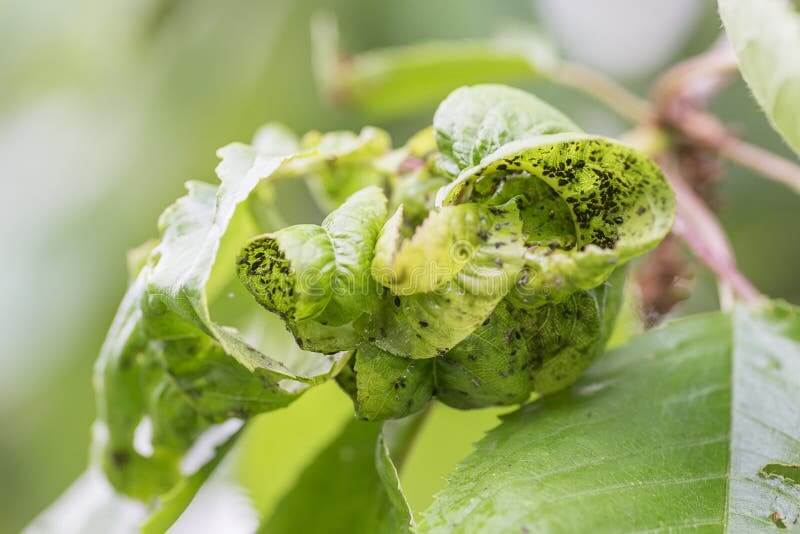

DESCRIPTION
WHO CAUSES IT?
Aphids, belonging to various species within the Aphididae family, are small, soft-bodied insects that feed on plant sap. Its biological cycle is complex and is characterized by the alternation between sexual and asexual generations. During spring and summer, aphids reproduce asexually through parthenogenesis, allowing them to rapidly increase their populations. Parthenogenetic females can give birth to live nymphs without needing to mate, which accelerates the colonization of new plants. In autumn, environmental conditions induce sexual reproduction, and winged males mate with winged females to produce hardy eggs that survive the winter. These eggs hatch in spring, starting the colonization cycle again. Winged females can also migrate to new host plants, facilitating the spread of the infestation.
SYMPTOMS
In blackberries, aphid infestation can cause serious damage, both direct and indirect. Aphids feed by sucking plant sap, which can weaken it considerably and affect its growth and fruit production. Additionally, aphids excrete a sticky substance called honeydew, which promotes the development of sooty mold fungi. These fungi can cover the leaves and reduce the photosynthetic capacity of the plant, further aggravating the damage. The main symptoms include:
- Rolled and deformed leaves.
- Presence of molasses and sooty mold in leaves and fruits.
- Yellowing and premature leaf fall.
- Reduction in the size and quality of the fruits.
- Young shoots weakened and deformed.
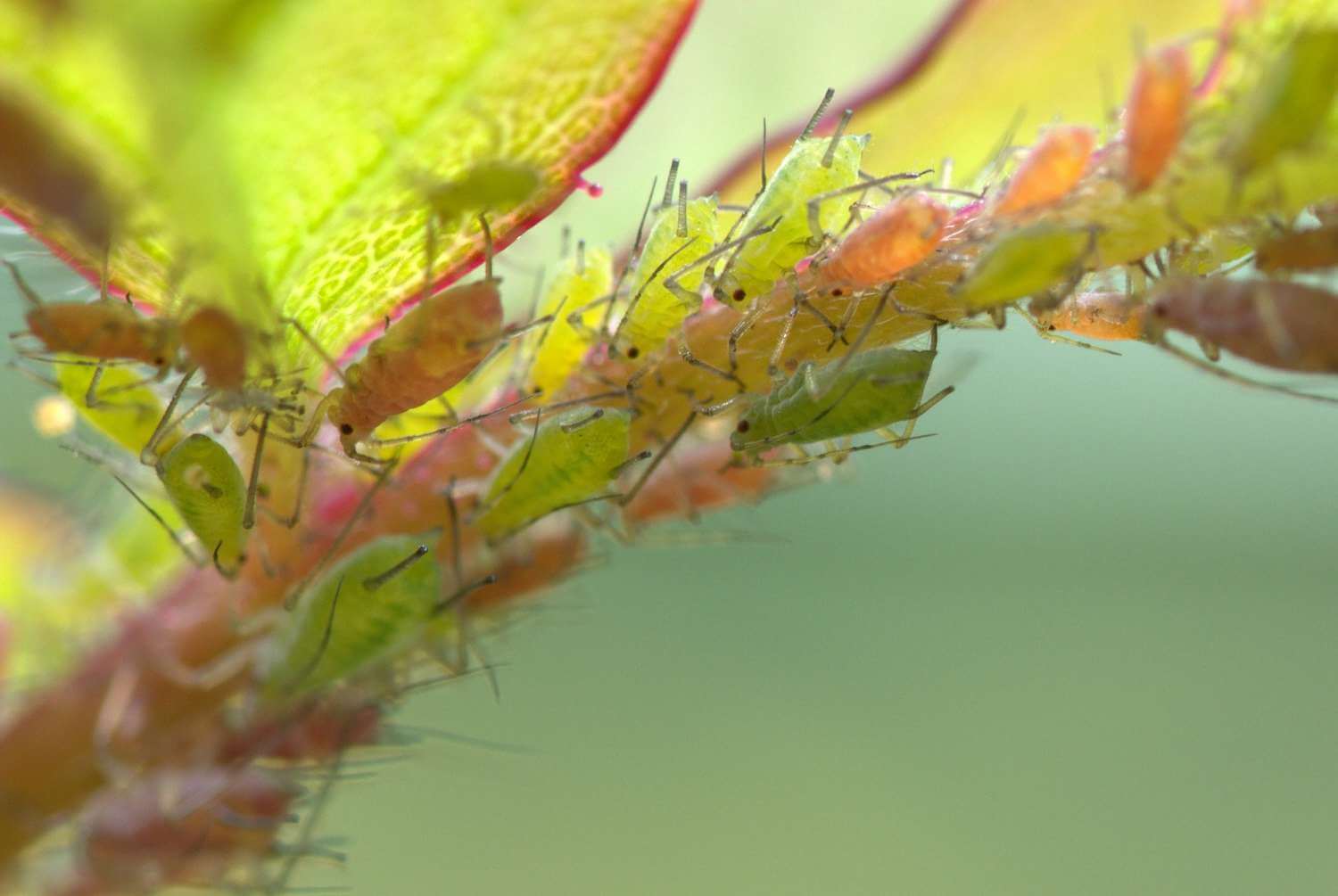
- Visible presence of aphid colonies on the underside of the leaves and stems.


TEMPERATURE AND HUMIDITY
15°C - 25°C
60% - 80%

HOW IS IT SPREAD?
Wind, vector insects, contaminated tools, contact between plants, movements of infested plants, irrigation water

HOW TO REMOVE IT?
Home remedies
There are no home treatments
Chemical treatments
• RAPE OIL 1.53% [AL] P/V
• PARAFFIN OIL (CAS [8042-47-5]) 54.6% [EW] P/V
• PARAFFIN OIL (CAS [97862-82-3]) 80% [EC] P/V
• AZADIRACTIN 1% (AS AZADIRACTIN A) [EC] P/V
• Azadirachtin 2.6% (AS AZADIRACTIN A) [EC] P/V
• MALTODEXTRIN 47.6% [SL] P/V
• PYRETHRINS 4.65% (as pyrethrum extract) [EC] P/V
• POTASSIUM SALTS OF FATTY ACIDS C14-C20 48% [EW] P/V
• ADHESIVE TRAP
• CHROMATIC TRAP
Authorized treatments in organic farming
• RAPE OIL 1.53% [AL] P/V
• PARAFFIN OIL (CAS [8042-47-5]) 54.6% [EW] P/V
• PARAFFIN OIL (CAS [97862-82-3]) 80% [EC] P/V
• AZADIRACTIN 1% (AS AZADIRACTIN A) [EC] P/V
• Azadirachtin 2.6% (AS AZADIRACTIN A) [EC] P/V
• MALTODEXTRIN 47.6% [SL] P/V
• PYRETHRINS 4.65% (as pyrethrum extract) [EC] P/V
• POTASSIUM SALTS OF FATTY ACIDS C14-C20 48% [EW] P/V
• ADHESIVE TRAP
• CHROMATIC TRAP
Insect allies
PREDATORY MITES
LADYBUGS
LACEWINGS
PARASITIC WASPS
HOVERFLIES OR PARASITIC FLIES
PREDATORY BUGS
There are no natural allies
Mycodiplosis oidii (predatory mosquito)
EFFECTIVE PRODUCTS TO ELIMINATE THIS DISEASE
Sponsored link
Sponsored link
Sponsored link


Sponsored link
Sponsored link
Sponsored link
Sponsored link


Sponsored link
Sponsored link
Effective against all types of fungi

Sponsored link
Sponsored link


Sponsored link
Sponsored link

Sponsored link
Sponsored link


Sponsored link
- Regularly monitor blackberry plants to detect the presence of aphids early.
- Promote the presence of natural enemies such as ladybugs, lacewings and parasitoid wasps.
- Use trap plants or physical barriers to prevent aphids from accessing blackberry plants.
- Apply horticultural oils or insecticidal soaps to reduce the aphid population.
- Avoid excessive use of nitrogen fertilizers, which can promote the growth of aphids.
- Implement crop rotations and avoid monoculture to reduce pest pressure.
- Carry out sanitary pruning to eliminate parts of the plant infested by aphids.
- Use specific phytosanitary products in the recommended doses, respecting safety times.
- Promote integrated pest management practices that combine biological, cultural and chemical methods for more effective control.
Recommendations

Enjoy idMicrobe TOTALLY FREE, with no trial periods.


