

Royas
Rusts
Uromyces Sp., Puccinia Sp., Albugo Sp., Phragmidium Sp.
Pathogen:
Fungus
Type:
Risk to the plant:
HIGH
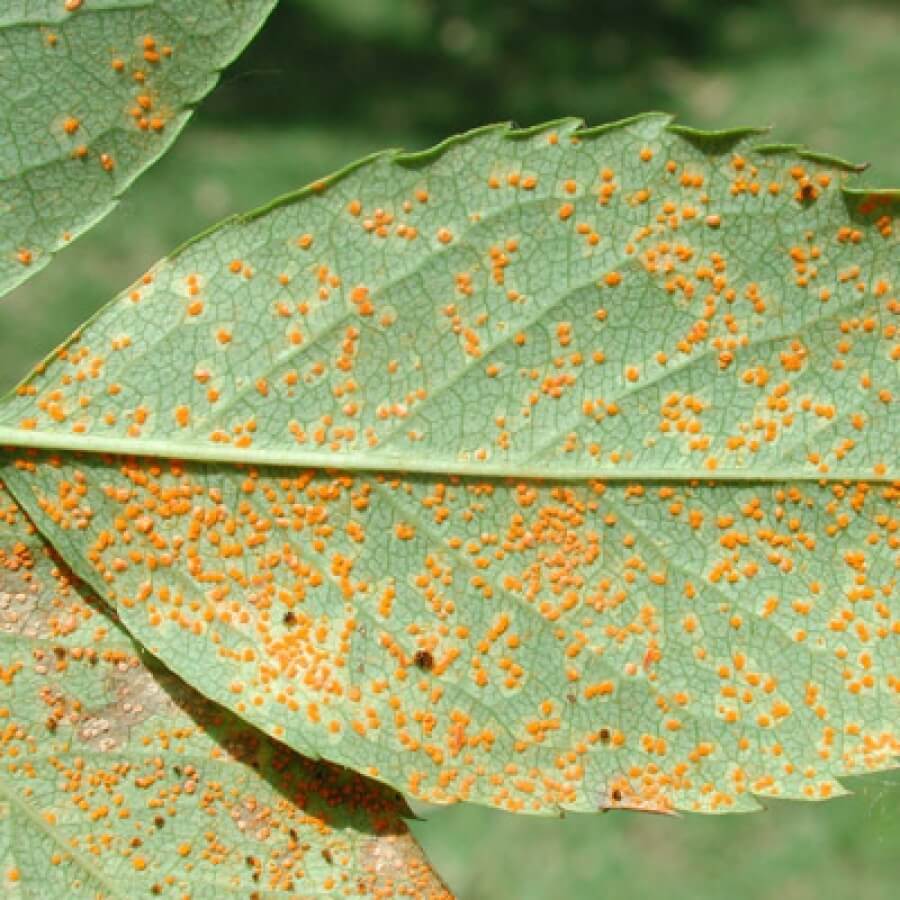
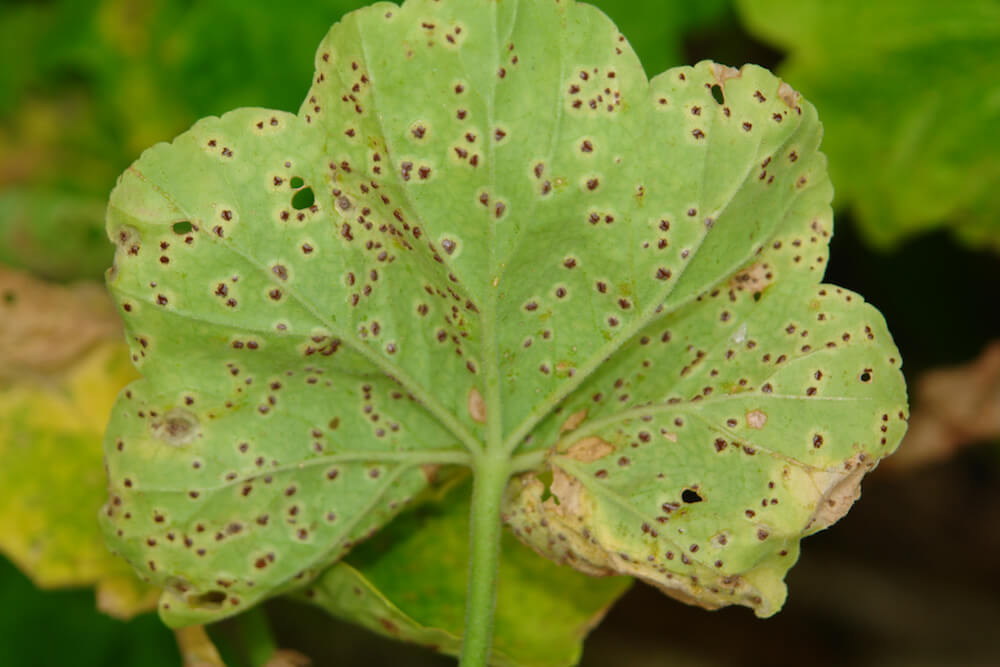

DESCRIPTION
WHO CAUSES IT?
The pathogens Uromyces sp., Puccinia sp., Albugo sp. and Phragmidium sp. are fungi that cause rust diseases on a wide variety of plants. These fungi complete their life cycle in several stages that include the formation of spores in different structures. They begin as spores that germinate on the surface of the host plant and produce mycelium, which penetrates plant tissues. Within the tissue, they develop specialized structures to extract nutrients from the plant. They then produce secondary spores that are released into the environment, facilitating the spread to new plants. These fungi can have sexual and asexual stages, and some require two types of host plants to complete their cycle. The alternation between hosts and the production of different types of spores allows high genetic variability and adaptation to different environmental conditions.
SYMPTOMS
Rust disease in plants manifests itself through visible and characteristic symptoms that affect both the aesthetics and productivity of the plants. Rust fungi cause small orange, brown or black pustules on leaves, stems and sometimes fruits, depending on the species of fungus and host. These pustules contain spores of the fungus, which are released into the environment and can infect other nearby plants. Infection reduces the photosynthetic capacity of the plant and can lead to general weakening, premature defoliation and, in severe cases, plant death.
- Orange, brown or black pustules on leaves, stems and fruits.
- Yellowing of the leaves around the pustules.
- Premature fall of leaves.
- Reduction of plant growth.
- Deformation of leaves and stems.
- General weakening of the plant.
- Reduction in fruit production.
- Death of the plant in severe infections.
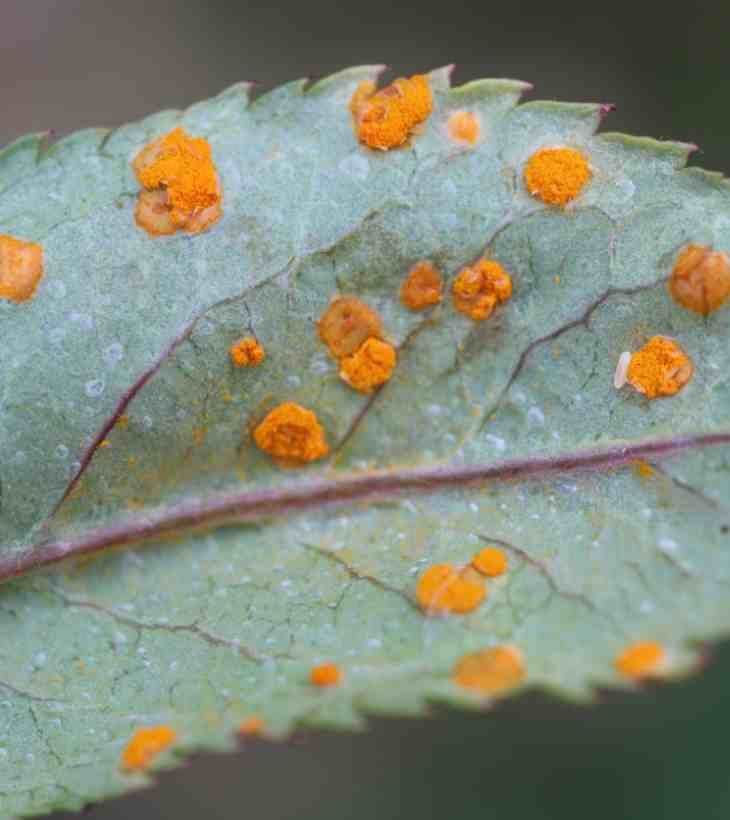
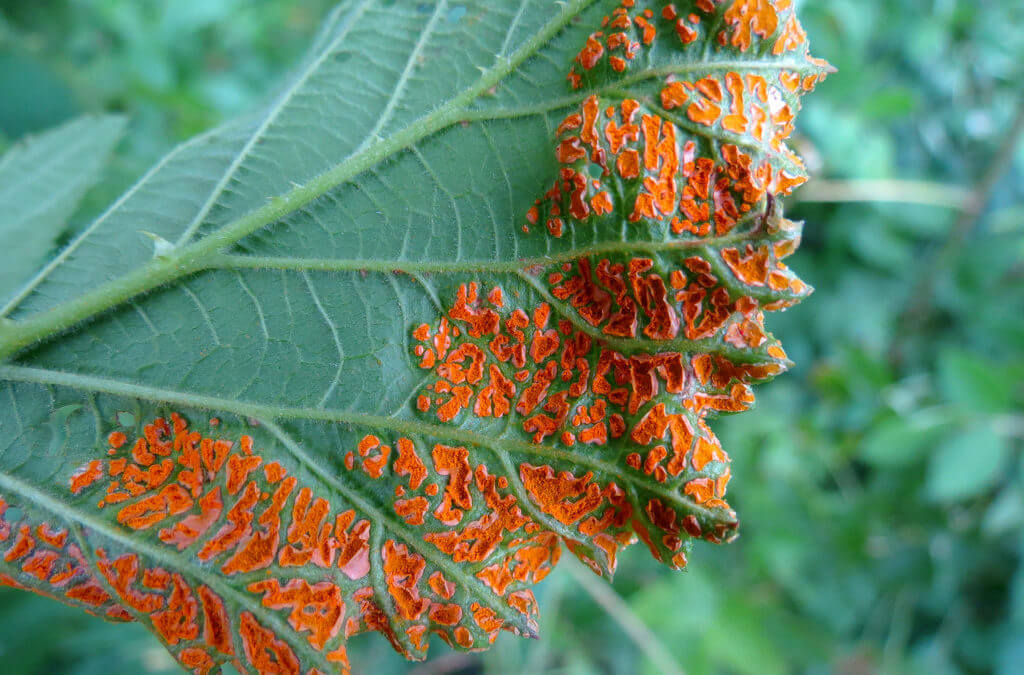


TEMPERATURE AND HUMIDITY
10°C - 25°C
85% - 100%

HOW IS IT SPREAD?
Wind, rain, direct contact between plants, contaminated tools, insect vectors, infected plant material, workers' footwear and clothing, contaminated irrigation systems

HOW TO REMOVE IT?
Home remedies
There are no home treatments
Chemical treatments
• ORANGE OIL 60g/L [ME] P/S
• AZOXISTROBIN 25% [SC] P/V
• CAPTAN 47.5% [SC] P/V
• DIFENOCONAZOLE 1.67% [EC] P/V
• CUPRIC HYDROXIDE 25% (EXPR. IN CU) [WG] P/P
• CUPRIC HYDROXIDE 50% (EXPR. IN CU) [WP] P/P
• METIRAM 70% [WG] P/P
• COPPER OXYCHLORIDE 30% (EXPR. IN CU) [WP] P/P
• COPPER OXYCHLORIDE 38% (EXPR. IN CU) [SC] P/V
• COPPER OXYCHLORIDE 50% (EXPR. IN CU) [WP] P/P
• COPPER OXYCHLORIDE 52% (EXPR. IN CU) [SC] P/V
• PIRACLOSTROBIN 6.7% + BOSCALIDE 26.7% ( ) [WG] P/P
• CUPROCALCIC SULFATE 20% (EXPR. IN CU) [WG] P/P
• CUPROCALCIC SULFATE 20% (EXPR. IN CU) [WP] P/P
• TEBUCONAZOLE 0.0125% + TRIFLOXISTROBIN 0.0125% [AL] P/V
• TETRACONAZOLE 4% [ME] P/V
Authorized treatments in organic farming
• ORANGE OIL 60g/L [ME] P/S
• CUPRIC HYDROXIDE 25% (EXPR. IN CU) [WG] P/P
• CUPRIC HYDROXIDE 50% (EXPR. IN CU) [WP] P/P
• COPPER OXYCHLORIDE 30% (EXPR. IN CU) [WP] P/P
• COPPER OXYCHLORIDE 38% (EXPR. IN CU) [SC] P/V
• COPPER OXYCHLORIDE 50% (EXPR. IN CU) [WP] P/P
• COPPER OXYCHLORIDE 52% (EXPR. IN CU) [SC] P/V
• CUPROCALCIC SULFATE 20% (EXPR. IN CU) [WG] P/P
• CUPROCALCIC SULFATE 20% (EXPR. IN CU) [WP] P/P
Insect allies
PREDATORY MITES
LADYBUGS
LACEWINGS
PARASITIC WASPS
HOVERFLIES OR PARASITIC FLIES
PREDATORY BUGS
There are no natural allies
Mycodiplosis oidii (predatory mosquito)
EFFECTIVE PRODUCTS TO ELIMINATE THIS DISEASE
Sponsored link
Sponsored link


Sponsored link
Sponsored link
Sponsored link


Sponsored link
Sponsored link
Effective against all types of fungi

Sponsored link


Sponsored link
Sponsored link

Sponsored link


Sponsored link
- Regularly monitor plants for early signs of rust infection.
- Practice crop rotation with plants not susceptible to rust.
- Eliminate and destroy infected plants to reduce the source of inoculum.
- Use plant varieties resistant to rust diseases.
- Maintain good ventilation in the crop to reduce humidity around the plants.
- Avoid sprinkler irrigation that can favor the dispersal of spores.
- Apply preventive and curative fungicides according to technical recommendations.
- Implement integrated pest management practices that include the use of biological agents.
- Keep the growing area free of weeds that may act as alternative hosts.
- Educate and train staff on hygiene and crop management practices to prevent the spread of the disease.
Recommendations

Enjoy idMicrobe TOTALLY FREE, with no trial periods.


