

Bacteriosis
Common Potato Scab
Streptomyces Scabies
Pathogen:
Bacterium
Type:
Risk to the plant:
INTERMEDIATE

DESCRIPTION
WHO CAUSES IT?
Streptomyces scabies is a filamentous bacteria that causes the disease known as common potato scab. The bacteria lives in the soil and spreads mainly through spores that can survive in adverse conditions for long periods. When conditions are favorable, such as warm temperatures and dry, alkaline soils, the spores germinate and the bacteria infect the potato tubers. The infection results in lesions on the skin of the tubers, which affects their quality and marketing.
SYMPTOMS
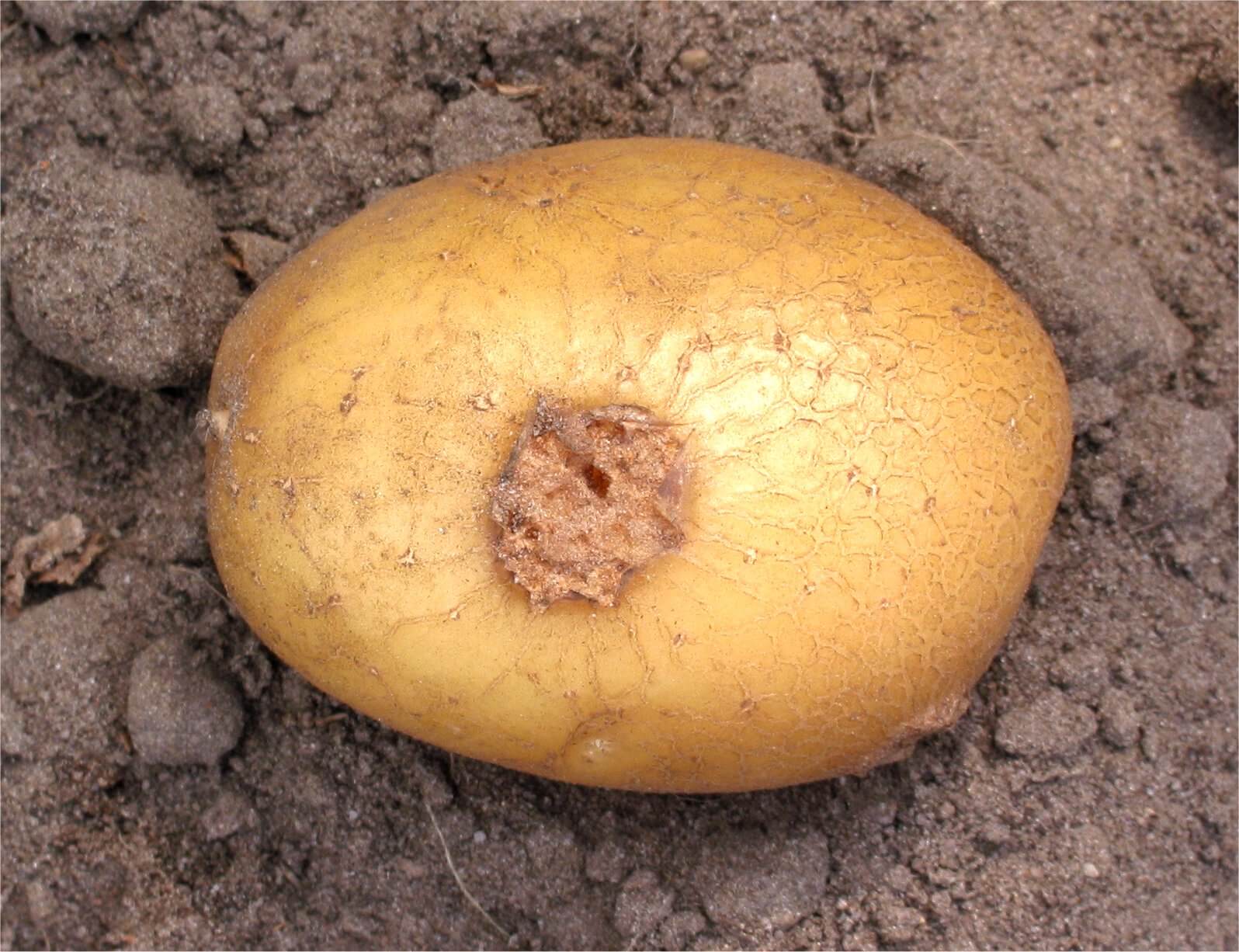
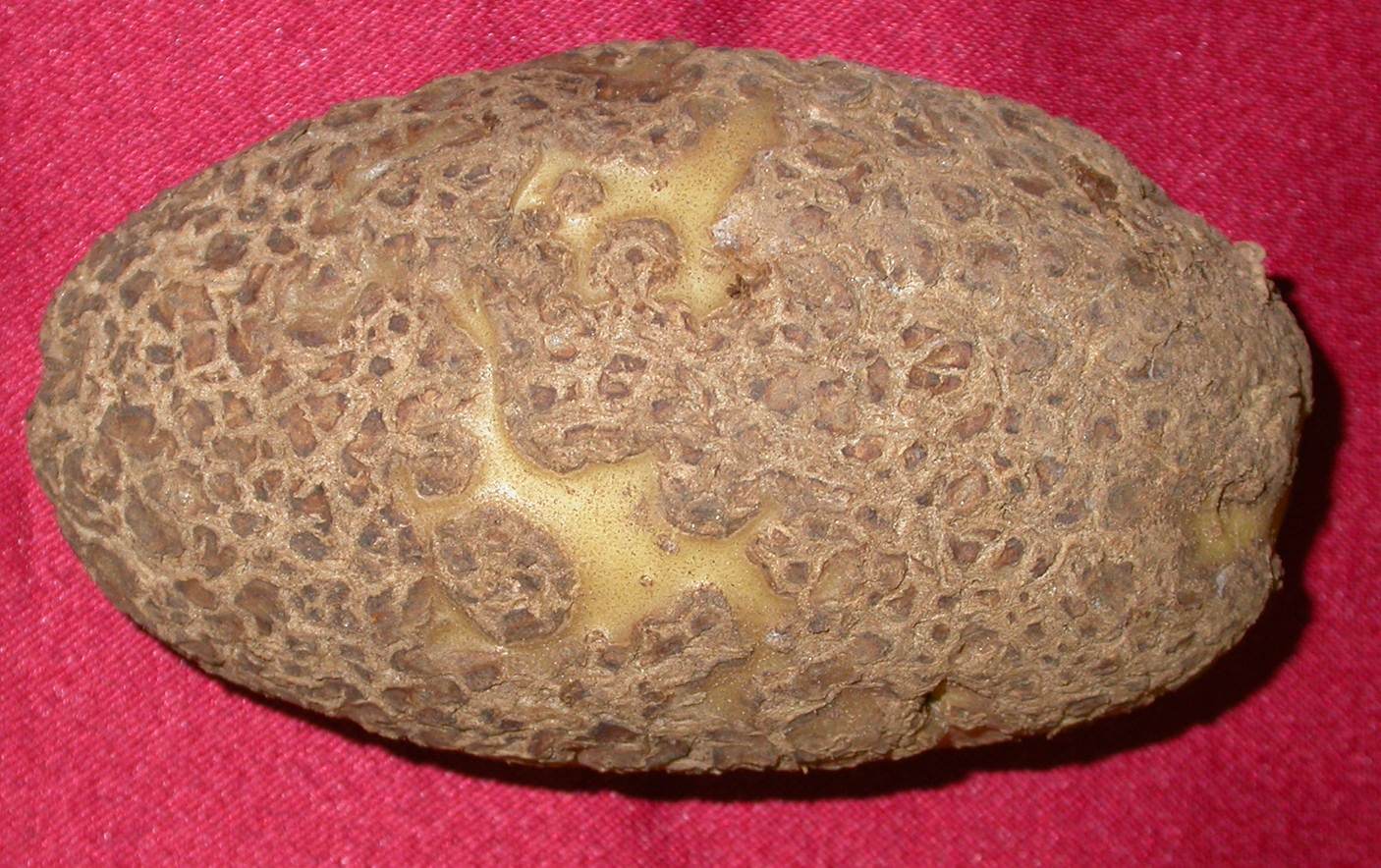
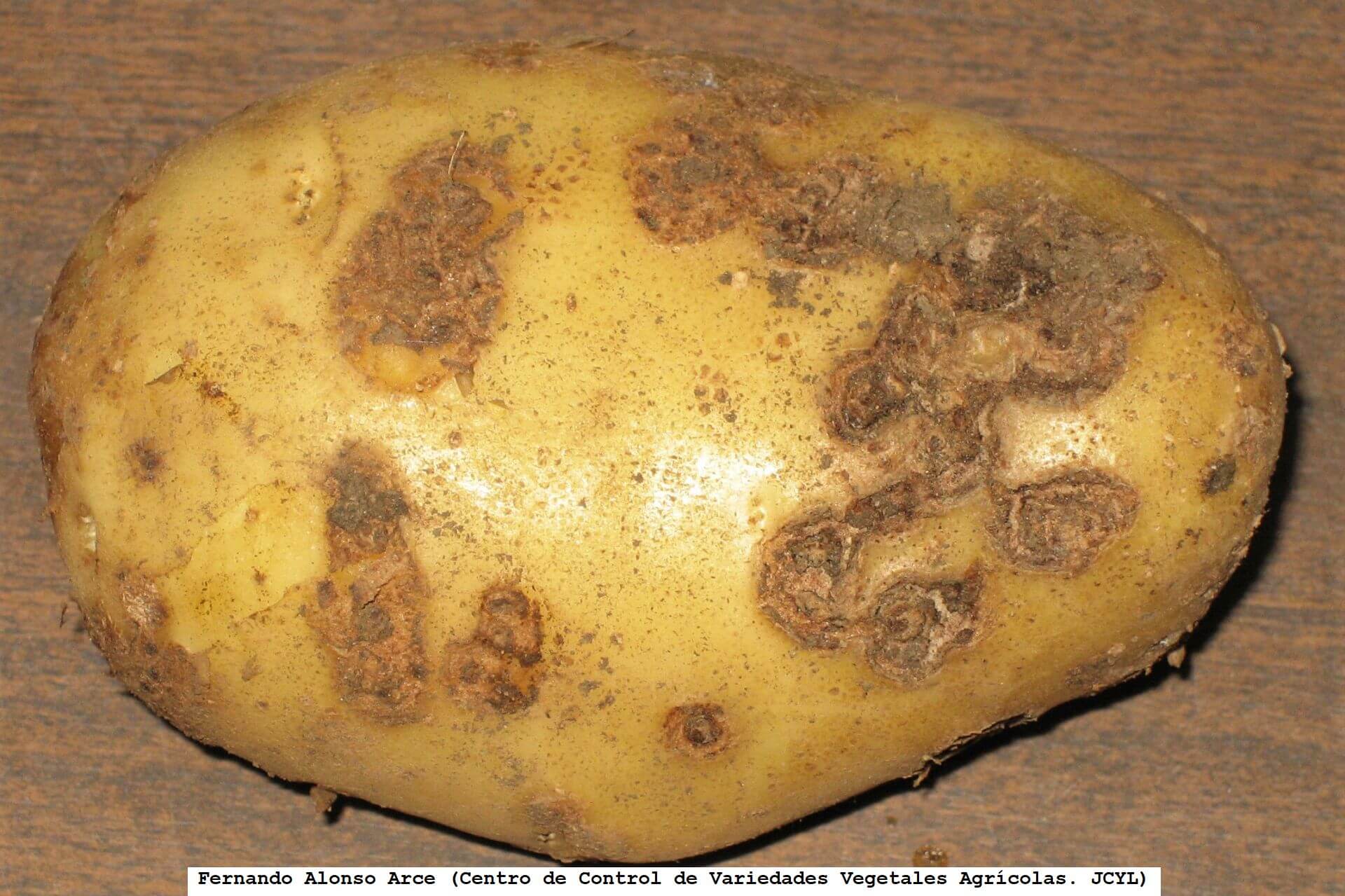
Common potato scab manifests itself through lesions on the potato tubers, which can vary in shape and size. Lesions may appear as rough or wrinkled scabs, which may be superficial or penetrate deeper into the tuber. These lesions do not usually affect the development of the plant, but they do reduce the quality of the tubers.
• Rough lesions on the skin of the tubers.
• Rough scabs that can vary in size.
• Decrease in the quality of tubers.
• In severe cases, the lesions may penetrate the flesh of the tuber.


TEMPERATURE AND HUMIDITY
18°C - 25°C
60% - 80%

HOW IS IT SPREAD?
Contaminated soil, contaminated growing tools, contact with infected tubers.

HOW TO REMOVE IT?
Home remedies
There are no home treatments
Chemical treatments
• FLUAZINAM 50% [SC] P/V
Authorized treatments in organic farming
-
Insect allies
PREDATORY MITES
LADYBUGS
LACEWINGS
PARASITIC WASPS
HOVERFLIES OR PARASITIC FLIES
PREDATORY BUGS
There are no natural allies
Mycodiplosis oidii (predatory mosquito)
EFFECTIVE PRODUCTS TO ELIMINATE THIS DISEASE
Sponsored link
Sponsored link


Sponsored link
Sponsored link
Sponsored link


Sponsored link
Sponsored link
Effective against all types of fungi

Sponsored link


Sponsored link
Sponsored link

Sponsored link


Sponsored link
• Use potato varieties resistant to Streptomyces scabies.
• Practice crop rotation with non-host plants to reduce the presence of the bacteria in the soil.
• Maintain a lower soil pH, as Streptomyces scabies prefers alkaline soils.
• Improve soil quality with the addition of organic matter and regulation of irrigation.
• Apply specific biological or chemical treatments according to expert instructions.
• Disinfect cultivation tools to prevent the spread of bacteria.
Recommendations

Enjoy idMicrobe TOTALLY FREE, with no trial periods.


