

Orugas o gusanos
Gardama, green doughnut, or armyworm: what it is, how it originates, and how to eliminate it effectively.
Gardama, Green Donut, Or Armyworm
Spodoptera Exigua
Pathogen:
Insect
Type:
Risk to the plant:
HIGH

DESCRIPTION
WHO CAUSES IT?
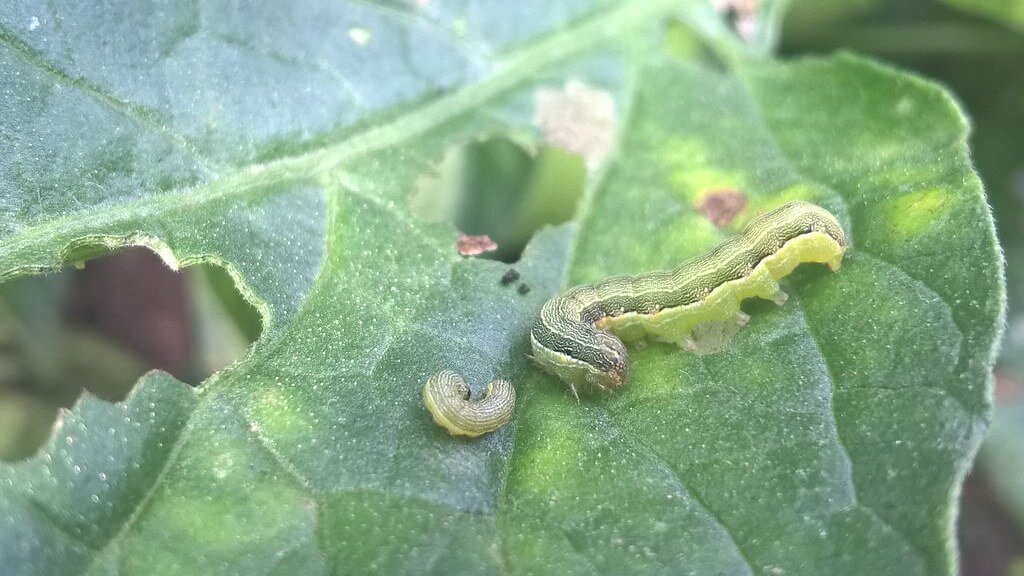
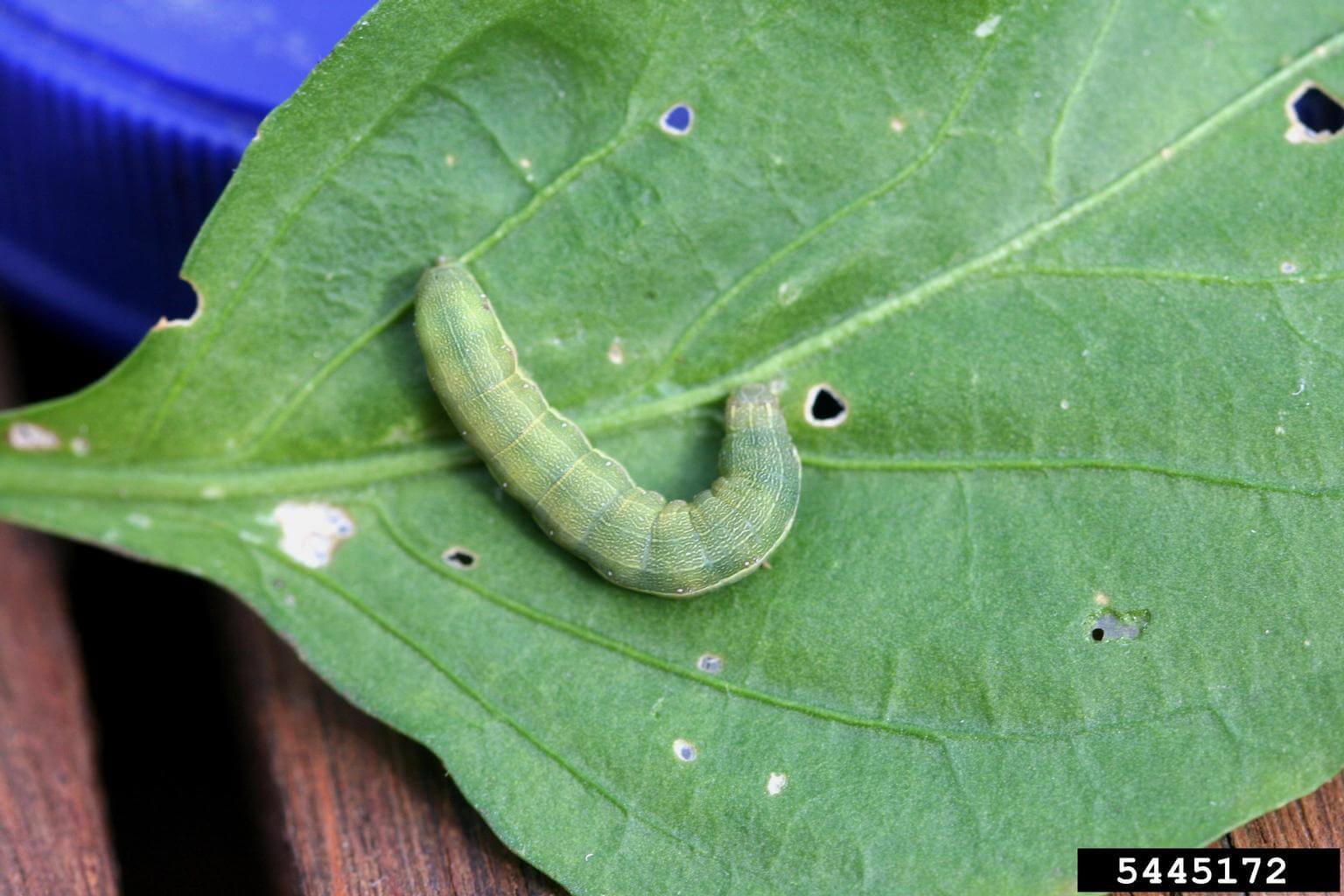
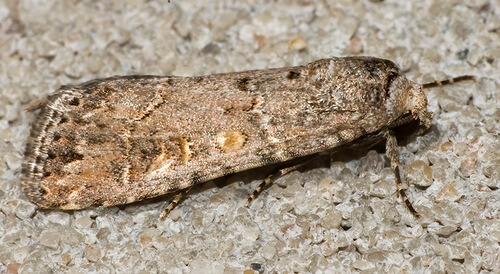
Spodoptera exigua, commonly known as the green donut or armyworm, is a lepidopteran of the Noctuidae family that affects a wide range of crops, especially vegetables. The adult is a medium-sized moth that has a wingspan of approximately 25-30 mm and a grayish color. Females deposit their eggs on the underside of the leaves of the host plants, forming groups of between 50 and 100 eggs. The larvae hatch after a few days and go through five larval stages, where they acquire their characteristic green color with lateral bands. During this stage, the larvae feed voraciously on plant tissues, causing serious damage. After the larval phase, the caterpillar transforms into a pupa in the soil or under remains of organic matter. Finally, the adults emerge and restart the cycle. Under favorable conditions, Spodoptera exigua can complete several generations per year, which favors its rapid expansion in crops.
SYMPTOMS
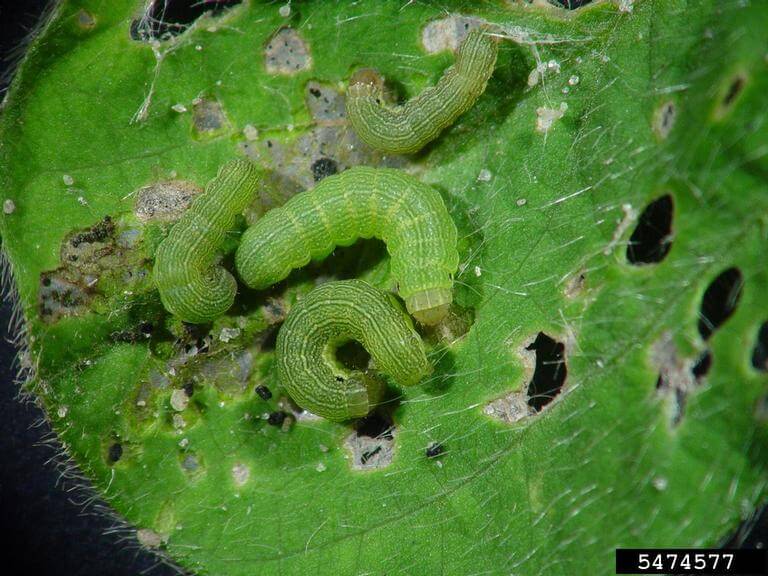
In lettuce and similar crops, Spodoptera exigua causes a disease commonly called gardama or green donut, characterized by severe damage to the leaves, especially in the juvenile stages of the plants. The larvae feed on both the underside and upper surface of the leaves, leaving irregular areas and holes, which can significantly reduce the photosynthetic surface of the plant. In more advanced stages of infestation, the larvae can damage the bud, affecting the quality of the commercial product. The intensive attack of Spodoptera exigua can cause general weakening of the plant, favoring secondary infections or even the death of young plants.
- Irregular holes in the leaves.
- Consumption of the epidermis of the leaves, leaving transparent tissues.
- Severe damage to the youngest leaves.
- Affectation of the bud in severe infestations.
- Reduction of the photosynthetic surface.
- Destruction of young plants.


TEMPERATURE AND HUMIDITY
20-30°C
50-85%

HOW IS IT SPREAD?
Wind, Movement of infected plants, Direct contact with cultivation tools, Dispersion of adults

HOW TO REMOVE IT?
Home remedies
There are no home treatments
Chemical treatments
• CHLORANTRANILIPROL 35% [WG] P/P
• CYANTRANILIPROL 10% + ACIBENZOLAR-S-METHYL 1.25% [SC] P/V
• DELTAMETHRIN 1.5% [EW] P/V
• DELTAMETHRIN 2.5% [EW] P/V
• METAFLUMIZONE 24% [SC] P/V
• SPINETORAM 2.5% [SC] P/V
• Spodoptera exigua (Pheromone)
• TEBUFENOCIDE 24% [SC] P/V
Authorized treatments in organic farming
• Spodoptera exigua (Pheromone)
Insect allies
PREDATORY MITES
LADYBUGS
LACEWINGS
PARASITIC WASPS
HOVERFLIES OR PARASITIC FLIES
PREDATORY BUGS
There are no natural allies
Mycodiplosis oidii (predatory mosquito)
EFFECTIVE PRODUCTS TO ELIMINATE THIS DISEASE
Sponsored link
Sponsored link


Sponsored link
Sponsored link
Sponsored link


Sponsored link
Sponsored link
Effective against all types of fungi

Sponsored link


Sponsored link
Sponsored link

Sponsored link


Sponsored link
- Implement pheromone traps to capture adults and early monitoring of the pest.
- Use trap crops or companion plants that attract adult butterflies away from lettuce and other susceptible crops.
- Promote biological control through the introduction or conservation of natural enemies such as parasitoids (Trichogramma spp.) or predators (lacewings, ladybugs).
- Apply biological insecticides, such as those based on Bacillus thuringiensis, which are effective against larvae without harming beneficial insects.
- Rotate crops to interrupt the pest's life cycle and reduce the chances of re-infestation in the same area.
- Maintain field hygiene by eliminating plant debris and weeds that could serve as shelter or food for larvae.
- Carry out regular inspections on crops to detect and manually eliminate larvae in early stages of development.
- Avoid the indiscriminate use of chemical insecticides that may generate resistance or affect biological controllers.
Recommendations

Enjoy idMicrobe TOTALLY FREE, with no trial periods.


