

Verticilosis
Wilting
Verticillum Spp.
Pathogen:
Fungus
Type:
Risk to the plant:
HIGH
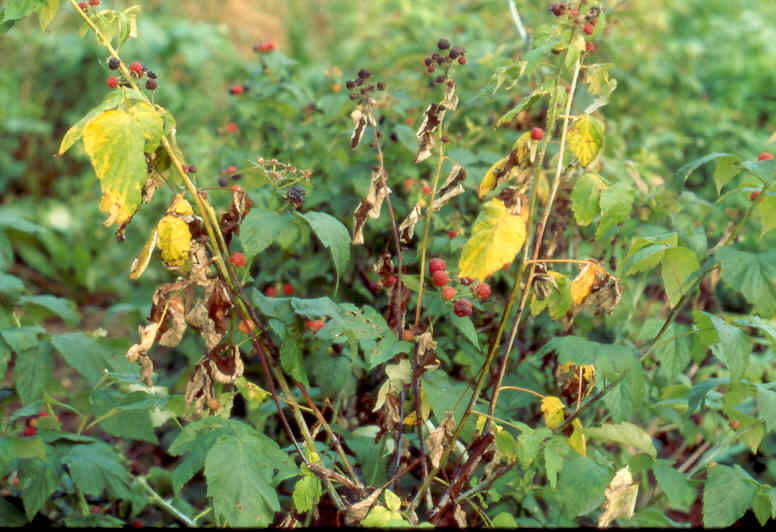
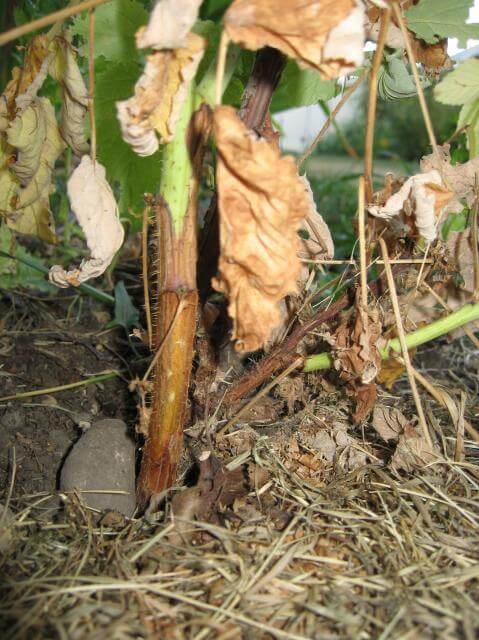

DESCRIPTION
WHO CAUSES IT?
Verticillium spp. is a genus of phytopathogenic fungi that includes species such as Verticillium dahliae and Verticillium albo-atrum, known to cause vascular wilt in a wide variety of host plants, including raspberry. These fungi live in the soil and can survive there for several years in the form of resistant structures called microsclerotia. When environmental conditions are favorable, such as the presence of growing roots and adequate humidity levels, the microsclerotia germinate and the fungus invades the plant roots. From the roots, the fungus moves through the plant's vascular system, obstructing the flow of water and nutrients, resulting in the characteristic symptoms of wilting. Throughout its development, Verticillium spp. It can produce spores that are released into the soil, contributing to the dispersion and perpetuation of the pathogen.
SYMPTOMS
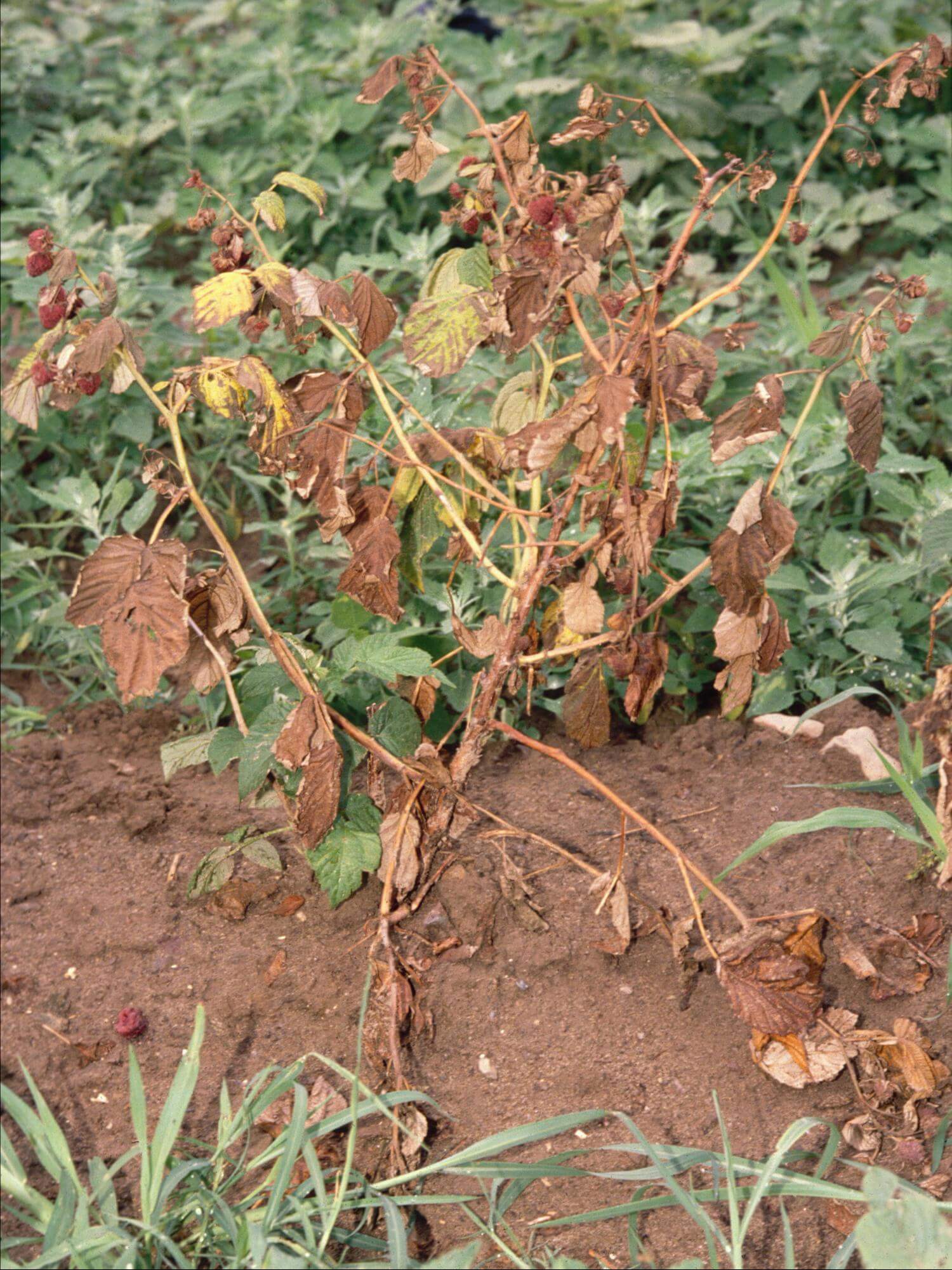
Raspberry wilt disease caused by Verticillium spp. It manifests itself mainly through the discoloration and death of the leaves, reducing the vitality and productivity of the plant. Symptoms may vary depending on the severity of the infection and environmental conditions, but generally include signs of water stress and progressive plant decline.
- Yellowish discoloration of the leaves, starting at the edges and progressing towards the center.
- Wilting of leaves and shoots, often during periods of heat or water stress.
- Reduction in the growth of new shoots.
- Necrosis of the affected leaves, which may fall prematurely.
- Delay in ripening and reduction in the size and quality of the fruits.
- Regressive death of the branches and, eventually, of the entire plant.


TEMPERATURE AND HUMIDITY
18°C - 28°C
60% - 80%

HOW IS IT SPREAD?
Contaminated soil, irrigation water, cultivation tools, infected plant remains, contaminated nursery plants, roots of host plants

HOW TO REMOVE IT?
Home remedies
There are no home treatments
Chemical treatments
-
Authorized treatments in organic farming
-
Insect allies
PREDATORY MITES
LADYBUGS
LACEWINGS
PARASITIC WASPS
HOVERFLIES OR PARASITIC FLIES
PREDATORY BUGS
There are no natural allies
Mycodiplosis oidii (predatory mosquito)
EFFECTIVE PRODUCTS TO ELIMINATE THIS DISEASE
Sponsored link
Sponsored link


Sponsored link
Sponsored link
Sponsored link


Sponsored link
Sponsored link
Effective against all types of fungi

Sponsored link


Sponsored link
Sponsored link

Sponsored link


Sponsored link
- Use pathogen-free and certified plants for new crops.
- Implement an appropriate crop rotation, avoiding planting raspberries in previously infected soil for at least four years.
- Improve soil drainage to avoid waterlogging conditions that favor the development of the fungus.
- Eliminate and destroy infected plants and plant remains to reduce the source of inoculum in the field.
- Disinfect agricultural tools and equipment with appropriate fungicide solutions before and after use.
- Use raspberry cultivars resistant or tolerant to Verticillium spp. when they are available.
- Apply compost and organic matter to the soil to improve its structure and microbiota, which can help suppress disease.
- Carry out constant monitoring of the crop to detect and manage the disease in time.
- Avoid water stress in plants through adequate and uniform irrigation.
- Consider the use of chemical and biological fungicides according to technical recommendations and local regulations to prevent infection.
Recommendations

Enjoy idMicrobe TOTALLY FREE, with no trial periods.


