top of page
Recognize and eliminate pests and diseases from your plants with idMicrobe

The Guide to Caring for Your Plants

Learn to recognize pests and how to combat them

Guide to plant diseases and professional and home treatments - IdMicrobe

The Guide to Caring for Your Plants

Learn to recognize pests and how to combat them

Verticilosis

Verticillium wilt: what it is, how it occurs, and how to eliminate it effectively

Verticillosis

Verticillium sp.

Pathogen:

Fungus

Type:

Risk to the plant:

HIGH
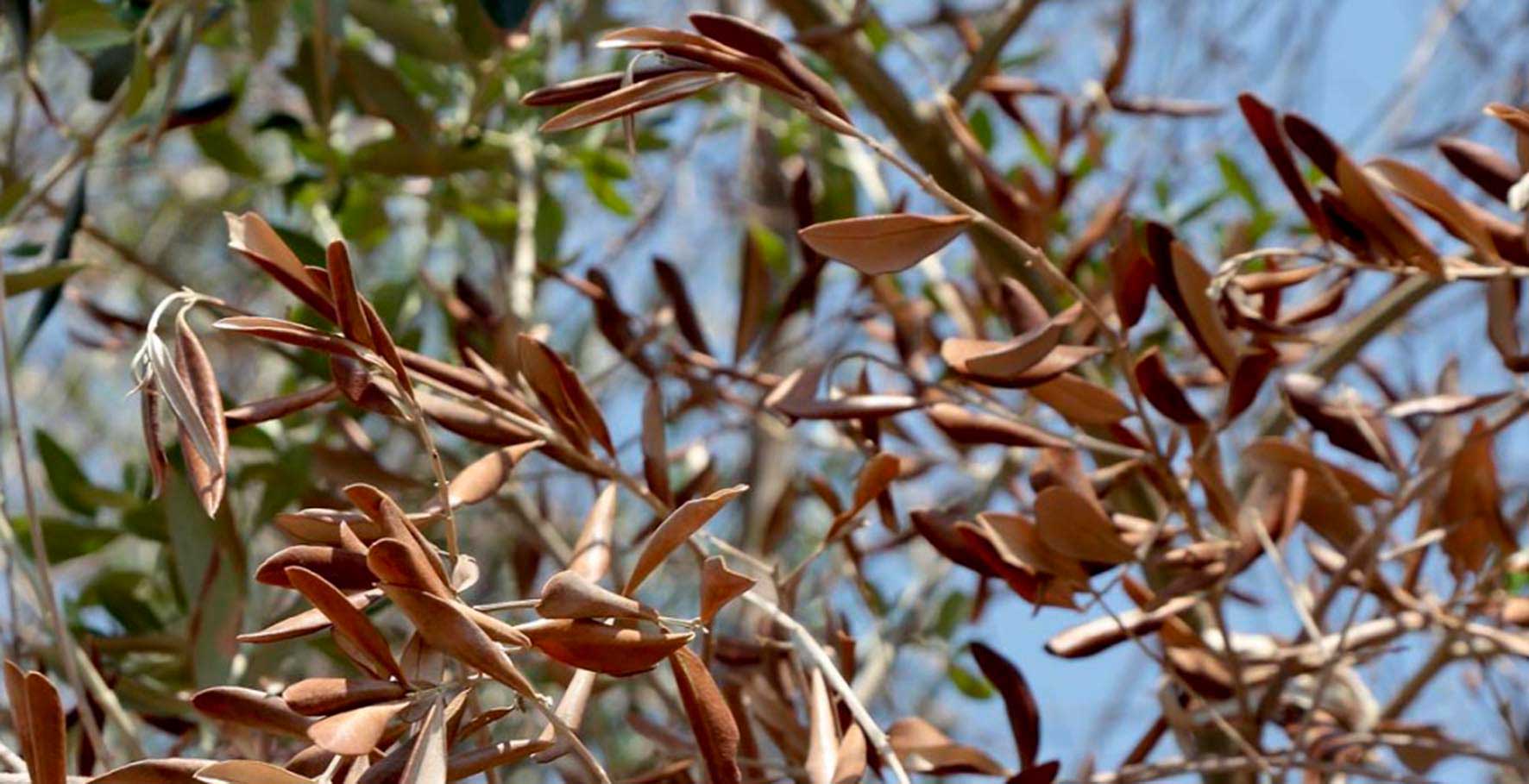
Verticillium wilt: what it is, how it occurs, and how to eliminate it effectively
Verticillium wilt in ornamental plants | idMicrobe

Don’t know which pest or disease your plant has?

Correctly identifying the problem is key to saving the plant.


A plant expert analyzes the photos and sends you a clear diagnosis within 24 hours, explaining the causes and the most effective solutions step by step.

1709890758744.png

DESCRIPTION

WHO CAUSES IT?

Verticillium sp. It is a soil fungus that lives mainly in the form of resistance structures called microsclerotia, which can remain viable for years in the absence of cultivation. These structures germinate when they detect root exudates from susceptible plants. After germination, the fungus invades the root tissues and enters the vascular system, especially the xylem, where it multiplies and blocks the flow of water. During this process, it produces toxins and enzymes that promote colonization. As the plant dies or loses tissue, the fungus returns to the soil, where it forms new microsclerotia that remain as inoculum for future crops. It does not need aerial spores to spread, since its cycle is focused on the soil and the colonization of living roots. Its prolonged persistence in the soil and its ability to infect a wide variety of plant species make it a difficult pathogen to eradicate.

SYMPTOMS

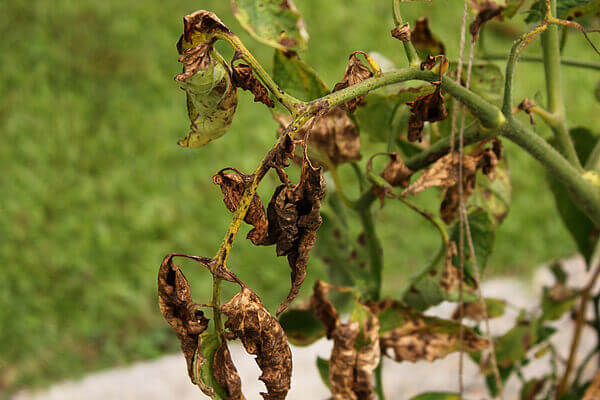
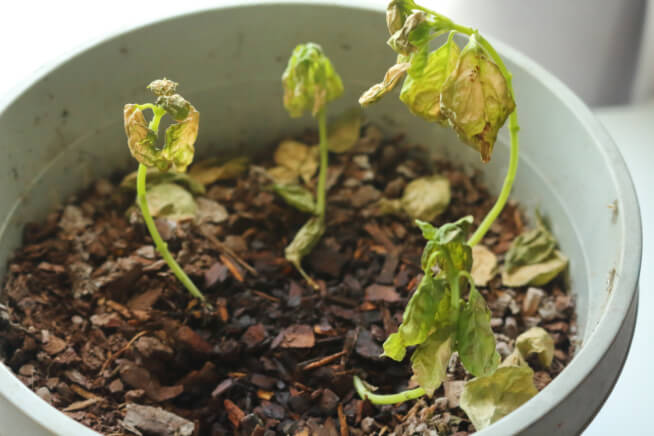
In Plants, infection by Verticillium sp. It causes a disease known as verticillosis, characterized by the progressive wilting of the plant, which begins in the lower leaves and progresses towards the upper part. Xylem obstruction reduces the transport of water and nutrients, generating water stress and general weakening. The intensity of symptoms depends on factors such as the age of the plant, environmental conditions and the amount of inoculum present in the soil.
- Unilateral wilting of leaves or branches
- Yellowing and chlorosis in old leaves
- Necrosis on leaf edges and apices
- Dwarfism or general growth retardation
- General decay of the plant without evidence of root rot
- Brown streaks or discolorations in the vascular system when cutting the stem
- Premature leaf fall
- Partial or total death of the plant in advanced stages
Verticillium wilt: Symptoms and damage in decorative garden and/or indoor plants
Verticillium wilt damage to decorative garden and/or indoor plants
Verticillium wilt in decorative garden and/or indoor plants: How to recognize and treat it effectively

Don’t know which pest or disease your plant has?

A plant expert reviews your photos and sends you a clear diagnosis within 24 hours, with step-by-step solutions.

1709890758650.png

TEMPERATURE AND HUMIDITY

17 °C – 25 °C

60 % – 80 %

1709890758697.png

HOW IS IT SPREAD?

Contaminated soil, Irrigation water, Infected plants, Agricultural tools, Wind with soil dust, Personnel footwear and clothing, Transport of plant waste

1709890758673.png

HOW TO REMOVE IT?

Home remedies

BONE MEAL OR GROUND FISH SHELLS

RUSTY NAILS OR IRON SHAVINGS

BANANA PEELS

EPSOM SALTS (MAGNESIUM SULFATE)

SOLUTION WITH HOUSEHOLD BORAX

GROUND OR BOILED EGGSHELLS

COMPOST WITH ONION OR GARLIC SCRAPS

VEGETABLE COOKING WATER

WOOD ASH

WATER WITH VINEGAR OR LEMON (VERY DILUTED)

GARLIC INFUSION

USED COFFEE OR TEA

BANANA AND EGGSHELL INFUSION

POTATO OR LEGUME COOKING WATER

COMPOST FROM FRESH GREEN LEAVES

COMPOST OR WELL-AGED MANURE

DILUTED MILK (1:10)

BANANA TEA

LEAF COMPOST

NETTLE SLURRY

POTASSIUM SOAP AND NEEM OIL SOLUTION

POTASSIUM SOAP SOLUTION + NEEM OIL + DIATOMACEOUS EARTH

BAKING SODA AND NEUTRAL SOAP SOLUTION

GARLIC INFUSION WITH NEUTRAL SOAP

CHROMATIC OR ADHESIVE TRAPS

DILUTED MILK

HORSETAIL INFUSION

TRUNK WHITEWASHING

DIATOMACEOUS EARTH

WOOD ASH

NETTLE SLURRY

CUT THE AFFECTED BRANCHES AND APPLY CINNAMON

GARLIC AND CINNAMON INFUSION

INFUSION OF WORMWOOD, CHILI OR CHILLI

CLEAN THE AFFECTED AREA AND APPLY ASH PASTE WITH GARLIC OR CINNAMON

GARLIC AND MINT INFUSION

LIGHT TRAPS

APPLY CINNAMON POWDER

PITFALL TRAPS

CRUSHED EGG SHELLS

CLEAN AND SEAL THE WOUND WITH CLAY, CINNAMON AND GARLIC PASTE

GARLIC INFUSION

MATURE COMPOST

TRAPS WITH VINEGAR AND SOAP

SEAL HOLES WITH ASH PASTE AND CRUSHED GARLIC

VINEGAR AND BAKING SODA SOLUTION

ANT TRAP

TAPE TRAP

PHEROMONE TRAP

ALCOHOL TRAPS

FUNNEL TRAP

There are no home treatments

Chemical treatments

-

Authorized treatments in organic farming

-

Insect allies

PREDATORY MITES

LADYBUGS

LACEWINGS

PARASITIC WASPS

HOVERFLIES OR PARASITIC FLIES

PREDATORY BUGS

There are no natural allies

Mycodiplosis oidii (predatory mosquito)

EFFECTIVE PRODUCTS TO ELIMINATE THIS DISEASE

Sponsored link

Your product

Your product

Your products closer to your customers

Sponsored link

Sponsored link

Sponsored link

Insecticidal soap

Insecticidal soap

Home treatment. Eco-friendly

Sponsored link

Bacillus Thuringiensis BT Organic Worm & Caterpillar Control

Bacillus Thuringiensis BT Organic Worm & Caterpillar Control

Eco-friendly. Respectful of animals, the environment, and people.

Sponsored link

Fruit fly traps

Fruit fly traps

Non-Toxic. Reusable. For indoor and outside

Sponsored link

Treatment against snails and slugs

Treatment against snails and slugs

Granulated bait, attractive, safe and fast.

Sponsored link

Sponsored link

Sponsored link

Your product

Your product

Your products closer to your customers

Sponsored link

Sponsored link

Sponsored link

Natural Pesticide, Fungicide, Miticide, Insecticide, Spider Mites, Powdery Mildew, Botrytis and Mold

Natural Pesticide, Fungicide, Miticide, Insecticide, Spider Mites, Powdery Mildew, Botrytis and Mold

100% ecological fungicide

Sponsored link

Nematodes - Biological Pest Control for Fungus Gnats, Thrips, & Whiteflies

Nematodes - Biological Pest Control for Fungus Gnats, Thrips, & Whiteflies

Biological Pest Control for Fungus Gnats, Thrips, & Whiteflies

Sponsored link

Light traps for insects

Light traps for insects

Solar trap for outside

Sponsored link

Sponsored link

Effective against all types of fungi

Sponsored link

Anti-ant adhesive tape

Anti-ant adhesive tape

Tree protection. Easy to use.

Sponsored link

Your product

Your product

Your products closer to your customers

Sponsored link

Sponsored link

Adhesive traps for insects

Adhesive traps for insects

For orchards, terraces and flower pots.

Sponsored link

Insecticide, fungicide, acaricide and nematicide spraying

Insecticide, fungicide, acaricide and nematicide spraying

100% organic. For indoor and outdoor use

Sponsored link

Lime for whitewashing

Lime for whitewashing

Insect Barrier/Repellent

Sponsored link

Fungus Gnat Killer & Bug Spray

Fungus Gnat Killer & Bug Spray

For outdoor and indoor use. Pet friendly

Sponsored link

Sponsored link

Sponsored link

Mature compost. Worm castings

Mature compost. Worm castings

100% Natural. Soil Restorative

Sponsored link

Your product

Your product

Your products closer to your customers

Sponsored link

Sponsored link

100% organic diatomaceous earth

100% organic diatomaceous earth

Natural insecticide against insects

Sponsored link

Beetle traps

Beetle traps

Ideal for ornamentals, flowers and shrubs.

Sponsored link

Trap for Tuta absoluta

Trap for Tuta absoluta

Attracts and traps tomato moths

Sponsored link

Snail and slug traps

Snail and slug traps

Ideal for orchards, gardens and pots.

Sponsored link

Copper-based fungicide - Curative and preventive

Copper-based fungicide - Curative and preventive

Effective against all types of fungi

Sponsored link

- Carry out crop rotations with non-susceptible species for at least 4-6 years to reduce the inoculum load.
- Avoid repeated cultivation of sensitive species in soils with a history of verticillosis.
- Use varieties or rootstocks with proven genetic resistance to the pathogen.
- Improve soil drainage and avoid waterlogging to limit favorable conditions for the fungus.
- Apply treatments with antagonistic microorganisms, such as Trichoderma spp., to reduce the viability of the inoculum in the soil.
- Disinfect agricultural tools and machinery between plots to avoid carrying contaminated soil.
- Incorporate well-composted organic matter that favors a competitive soil microbiota.
- Do not use fresh or poorly composted manure, which may contain remains of infected plants.
- Avoid injuries to roots at the time of transplanting or during agricultural work.
- Eliminate and destroy infected crop remains to reduce the persistence of the pathogen in the field.

Recommendations

Recognize and eliminate pests and diseases from your plants with idMicrobe

Enjoy idMicrobe TOTALLY FREE, with no trial periods.

button_google_play_EN.png
boton_mobile_Version_EN.jpg
bottom of page