

Virus
Soybean common mosaic virus: what it is, how it originates, and how to eliminate it effectively.
Soybean Common Mosaic Virus
Smv
Pathogen:
Virus
Type:
Risk to the plant:
INTERMEDIATE

DESCRIPTION
WHO CAUSES IT?
Common mosaic virus is a viral pathogen that affects a wide variety of plants, including soybeans. This virus belongs to the Potyviridae family and is mainly transmitted by aphid vectors, making it a significant threat to agricultural crops in many parts of the world.
SYMPTOMS
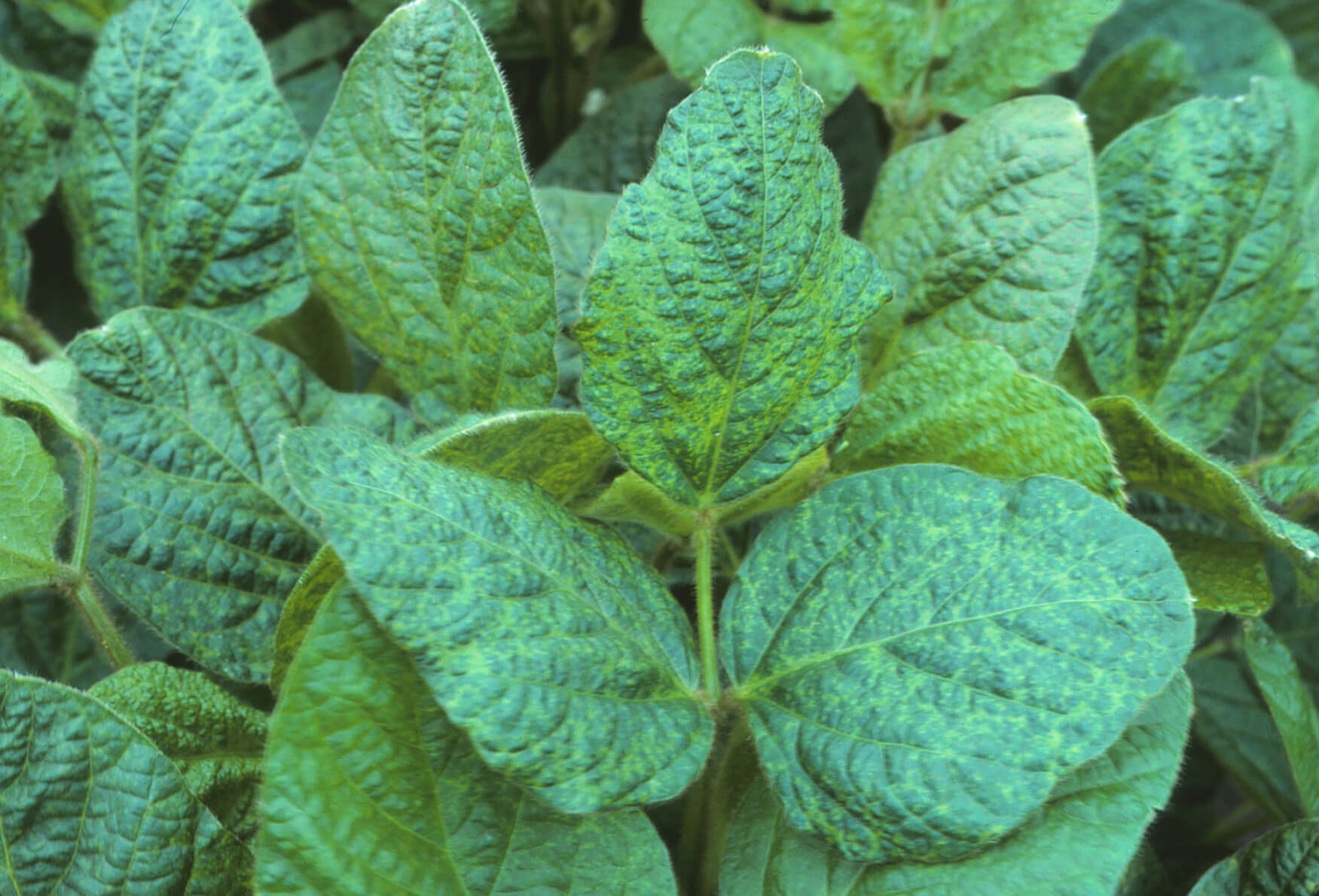
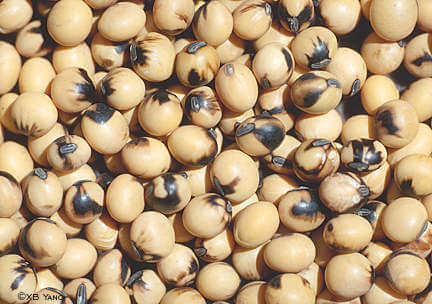
In soybeans, the common mosaic virus produces a disease characterized by the appearance of Taches and deformations on the leaves of the plant. Typical symptoms include the presence of mottled or mosaic patterns on the leaves, as well as curling and yellowing of the leaves. These symptoms can affect the growth and development of the plant, as well as reduce its yield.



TEMPERATURE AND HUMIDITY
20°C - 30°C
60% - 80%

HOW IS IT SPREAD?
Aphids vectors

HOW TO REMOVE IT?
Home remedies
There are no home treatments
Chemical treatments
There are no effective treatments against viruses, the treatments are focused on combating the insect or vector carrying the virus (SEE AVAILABLE TREATMENTS AGAINST INSECTS)
Authorized treatments in organic farming
There are no effective treatments against viruses, the treatments are focused on combating the insect or vector carrying the virus (SEE AVAILABLE TREATMENTS AGAINST INSECTS)
Insect allies
PREDATORY MITES
LADYBUGS
LACEWINGS
PARASITIC WASPS
HOVERFLIES OR PARASITIC FLIES
PREDATORY BUGS
There are no natural allies
Mycodiplosis oidii (predatory mosquito)
EFFECTIVE PRODUCTS TO ELIMINATE THIS DISEASE
Sponsored link
Sponsored link


Sponsored link
Sponsored link
Sponsored link


Sponsored link
Sponsored link
Effective against all types of fungi

Sponsored link


Sponsored link
Sponsored link

Sponsored link


Sponsored link
To prevent and control common mosaic virus in soybean crops, it is important to implement integrated pest management measures. This includes the use of resistant varieties, control of aphid vectors through the use of insecticides, elimination of weeds that may serve as reservoirs of the virus, and disinfection of agricultural tools to prevent the spread of the pathogen.
Recommendations

Enjoy idMicrobe TOTALLY FREE, with no trial periods.


