

Virus
Virus
-
Pathogen:
Virus
Type:
Risk to the plant:
CRÍTICO
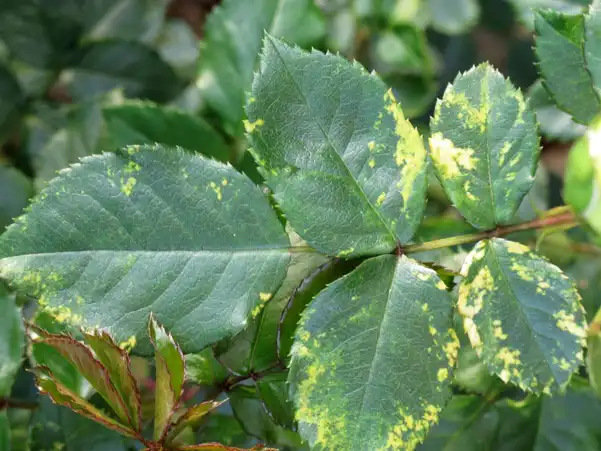
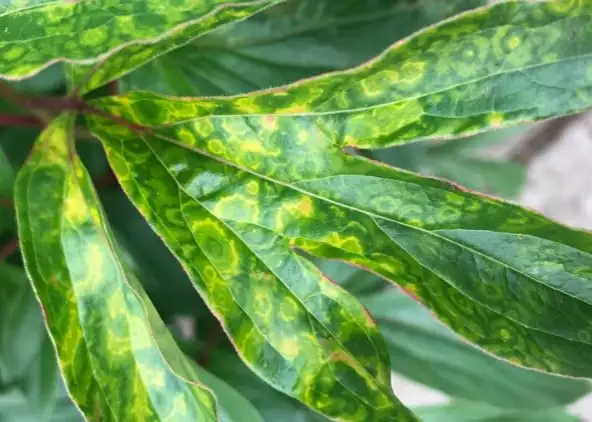

DESCRIPTION
WHO CAUSES IT?
Plant viruses are pathogens that directly affect plant development and are incurable once a plant is infected. Unlike fungi or bacteria, viruses cannot be eliminated with treatments, so the problem is often more serious. They are mainly transmitted through insects (such as aphids, whiteflies, or thrips), contaminated tools, contact between plants, or even seeds in some cases.
When a virus enters a plant, it disrupts its internal functions, especially tissue formation and chlorophyll production. This is why symptoms such as spots, deformities, or changes in leaf color appear. Often mistaken for nutrient deficiencies or watering problems, viruses usually cause more irregular and persistent symptoms. The key is to detect them early and prevent their spread.
SYMPTOMS
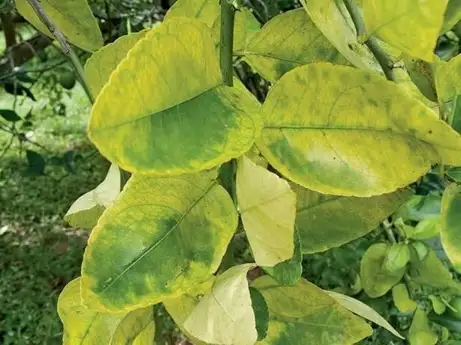
Viruses can cause a wide variety of symptoms, but they usually affect leaves and new shoots.
Typical symptoms:
• Irregular light and dark green spots (mosaic pattern).
• Deformed, wrinkled, or smaller than normal leaves.
• Unusual yellowing that doesn't follow a clear pattern.
• Weak growth or stunted plant growth.
• Deformed or poorly developed flowers or fruit.
• General loss of vigor.
Unlike other problems, the symptoms are usually irregular and do not improve over time.
Stages of development:
• Initial: slight spots or color changes on young leaves.
Intermediate stage: deformities and irregular growth.
Advanced stage: general weakening and low yield.
Final stage: severely affected, unproductive plant or stunted growth.
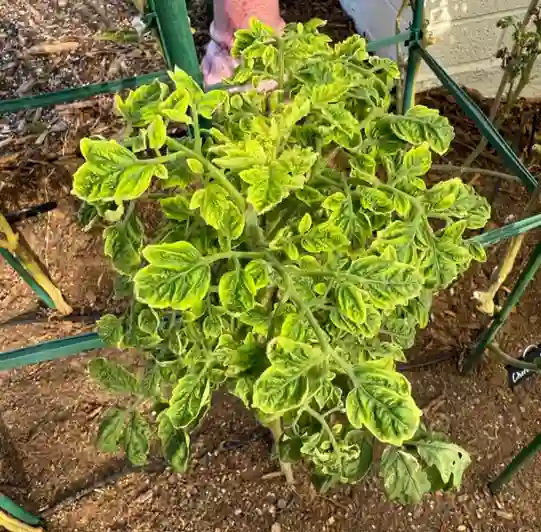
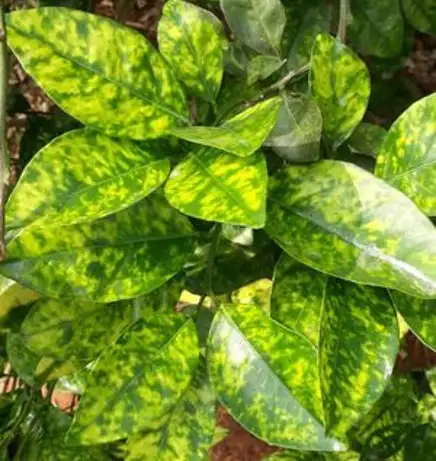

TEMPERATURE AND HUMIDITY
18ºC - 28ºC
60% - 80%

HOW IS IT SPREAD?
They are primarily transmitted through insect vectors such as aphids, whiteflies, or thrips, which pass the virus from one plant to another as they feed. They can also be spread by contaminated tools, contact between plants, infected seeds, or even by human handling.

HOW TO REMOVE IT?
Home remedies
There are no home treatments
Chemical treatments
There are no curative treatments for viruses. Measures are based on prevention and control of insect vectors through authorized insecticide treatments, monitoring systems such as sticky traps, and the promotion of biological control through the presence of natural enemies.
Authorized treatments in organic farming
There are no curative treatments for viruses. Measures are based on prevention and control of insect vectors through authorized insecticide treatments, monitoring systems such as sticky traps, and the promotion of biological control through the presence of natural enemies.
Insect allies
PREDATORY MITES
LADYBUGS
LACEWINGS
PARASITIC WASPS
HOVERFLIES OR PARASITIC FLIES
PREDATORY BUGS
There are no natural allies
Mycodiplosis oidii (predatory mosquito)
EFFECTIVE PRODUCTS TO ELIMINATE THIS DISEASE
Sponsored link

Sponsored link


Sponsored link
Sponsored link
Sponsored link


Sponsored link
Sponsored link
Effective against all types of fungi

Sponsored link


Sponsored link
Sponsored link

Sponsored link


Sponsored link
In the case of viruses, prevention is key, because there are no effective treatments once a plant is infected.
• Remove and isolate infected plants as soon as possible.
• Control insect vectors such as aphids, whiteflies, and thrips.
• Disinfect pruning and working tools.
• Avoid handling healthy plants after touching diseased plants.
• Use certified virus-free seeds and plants.
• Keep the crop free of weeds (they can be a reservoir for the virus).
• Monitor regularly to detect symptoms early.
Recommendations

Enjoy idMicrobe TOTALLY FREE, with no trial periods.


