

Iron Deficiency
-
Pathogen:
Type:
Nutritional disorder
Risk:
ALTO

Plantas decorativas de jardín y/o interior
Deficiencia de Hierro

WHO CAUSES IT?
Iron deficiency is a common problem in sensitive crops and in soils with high pH (alkaline or calcareous), where iron is present but unavailable to the roots. This nutrient is essential for chlorophyll synthesis and energy metabolism, so its deficiency quickly impairs photosynthesis. It can also be exacerbated by overwatering, poor drainage, or competition with other minerals such as phosphorus, manganese, or zinc.
.png)
SYMPTOMS
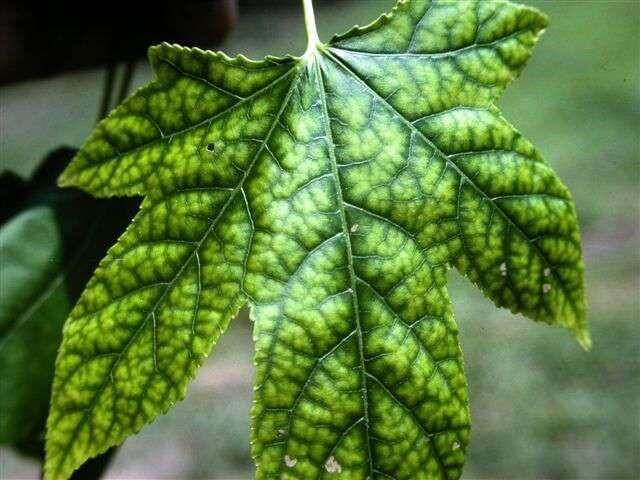
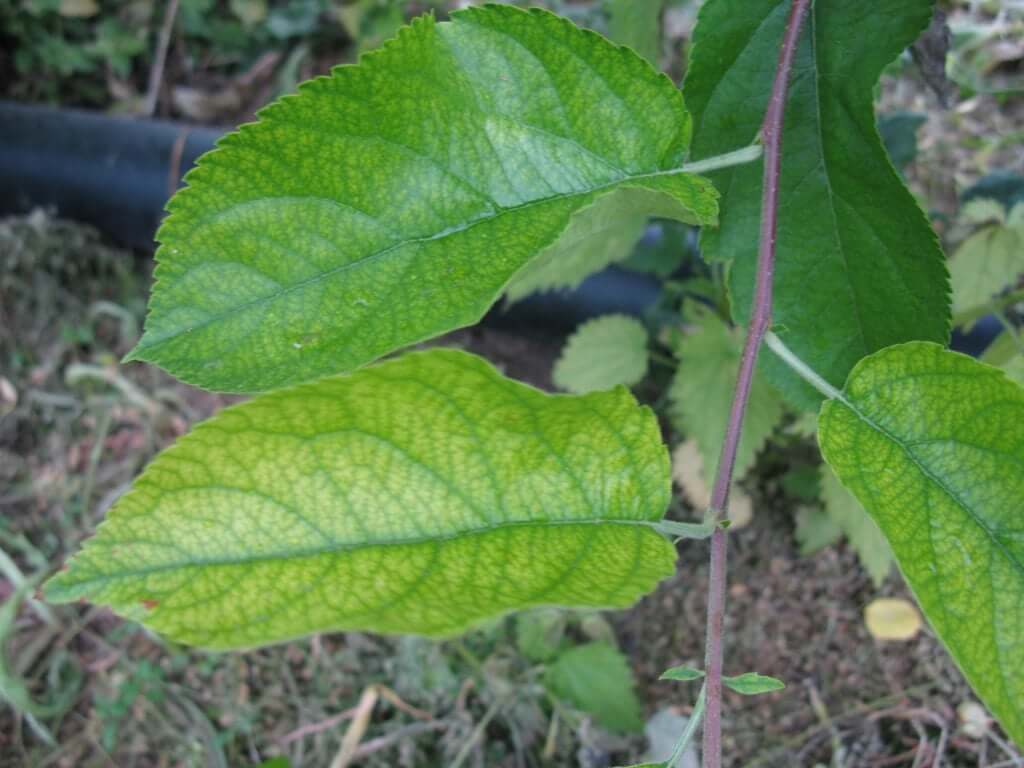
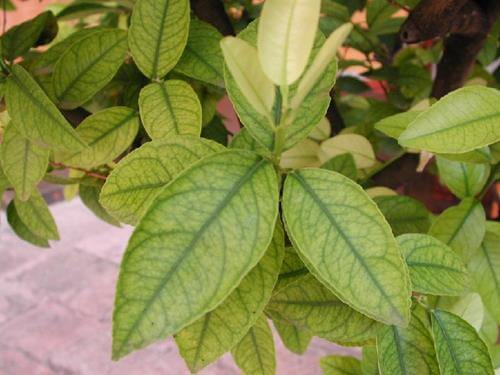
Unlike other nutrients, iron deficiency first manifests in young leaves, as the plant cannot mobilize it from older tissues. This helps distinguish it from deficiencies such as nitrogen or magnesium.
Typical symptoms:
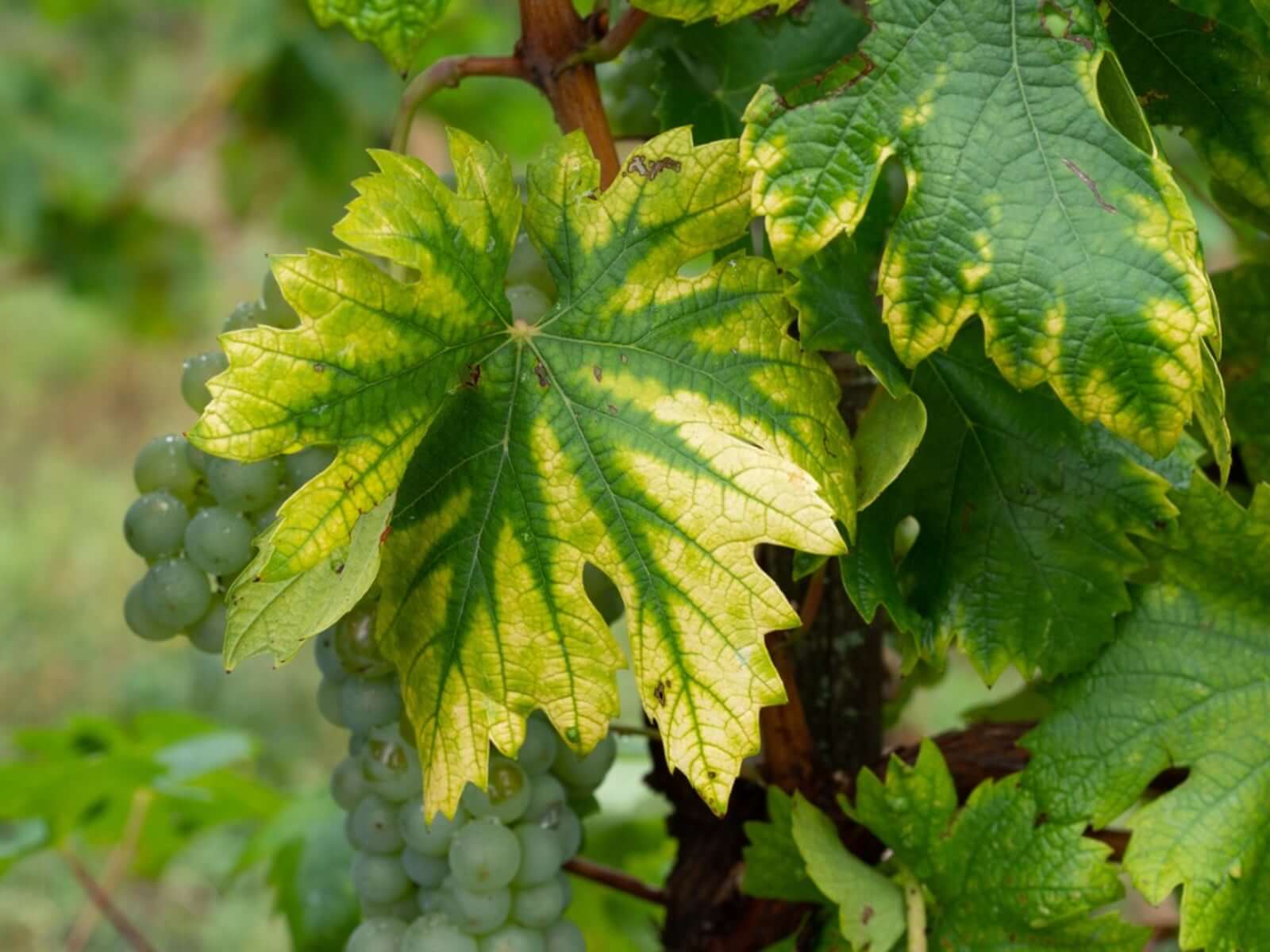
• Chlorosis (yellowing) in young leaves, with visible green veins.
• Growth of new shoots is halted.
• Reduction in leaf size.
• In severe cases, leaves turn almost white with necrosis at the edges.
• Decreased flowering and fruit set.
Iron deficiency develops rapidly in calcareous or poorly drained soils, first affecting the newer areas of the plant and later compromising the entire foliage if not corrected.
Developmental stages:
• Early: Young leaves become lighter, retaining green veins.
• Intermediate stage: More intense yellowing, chlorosis spreading to the entire leaf.
• Advanced: Leaves with almost white tones, very limited growth.
• End: appearance of necrosis, leaf drop, and severe loss of yield.

TEMPERATURE AND HUMIDITY
-
-

TRANSMISSION ROUTES
-
Do you want to remove this disease? Choose how you want to treat it.

TREATMENTS
Chemical treatments
• CHELATED IRON FERTILIZERS: EDDHA, DTPA; effectively correct iron chlorosis.
• SOLUBLE IRON FERTILIZERS: Ferrous sulfate; fast-acting in suitable soils.
• ORGANIC FERTILIZERS + IRON: Compost and organic matter that release available iron.
• FERTILIZERS WITH AMINO ACIDS + IRON: Increase rapid foliar absorption.
Authorized treatments in organic farming
• CHELATED IRON FERTILIZERS: EDDHA, DTPA; effectively correct iron chlorosis.
• SOLUBLE IRON FERTILIZERS: Ferrous sulfate; fast-acting in suitable soils.
• ORGANIC FERTILIZERS + IRON: Compost and organic matter that release available iron.
• FERTILIZERS WITH AMINO ACIDS + IRON: Increase rapid foliar absorption.
Biological control
-
Recommendations
To maintain adequate iron levels and prevent chlorosis in young leaves, it is important to implement strategies that improve iron availability in the soil and facilitate root absorption, combining fertilization and soil management.
• Apply iron chelates or iron-rich fertilizers.
• Correct soil pH if it is too alkaline.
• Avoid excess phosphorus, which blocks iron absorption.
• Maintain adequate irrigation to promote absorption.
• Improve soil organic matter.
• Avoid soil compaction, which limits root growth.
• Control weeds that compete for nutrients.
Sponsored link

Sponsored link


Sponsored link
Sponsored link
Sponsored link


Sponsored link
Sponsored link
Effective against all types of fungi

Sponsored link


Sponsored link
Sponsored link

Sponsored link


Sponsored link
*The recommended treatments are recommendations based on the authorities' databases and do not replace in any way the guidelines established by the legislation of each country.
*Products shown are recommendations and not our own products. As Amazon Associates, we earn revenue from purchases of recommended products.

TREATMENTS
Homemade remedies
There are no home treatments
Natural allies
Chemical treatments
There are no treatments for this disease. Treatments are directed at the insect vectors that transmit it. See insect treatments.

RECOMMENDATIONS

REPELLENT PLANTS
EFFECTIVE PRODUCTS TO ELIMINATE THIS DISEASE
Sponsored link
Sponsored link
Sponsored link
Sponsored link
Sponsored link
Sponsored link
Sponsored link
Effective against all types of fungi
Sponsored link
Sponsored link
Sponsored link
Sponsored link
Sponsored link
*The recommended treatments are recommendations based on the authorities' databases and do not replace in any way the guidelines established by the legislation of each country.
*Products shown are recommendations and not our own products. As Amazon Associates, we earn revenue from purchases of recommended products.

Enjoy idMicrobe TOTALLY FREE, with no trial periods.


