

Water shortage
-
Pathogen:
Type:
Environmental stress
Risk:
CRÍTICO
Plantas decorativas de jardín y/o interior
Estrés ambiental

WHO CAUSES IT?
A lack of water or irrigation causes a water deficit in plants, directly affecting their physiological processes such as photosynthesis, transpiration, and nutrient transport. When the soil does not have enough moisture, the roots cannot absorb the necessary water, leading to water stress. This situation is common during periods of drought, insufficient irrigation, or in soils with low water retention capacity. If it persists, it can seriously compromise the plant's growth and survival.
.png)
SYMPTOMS
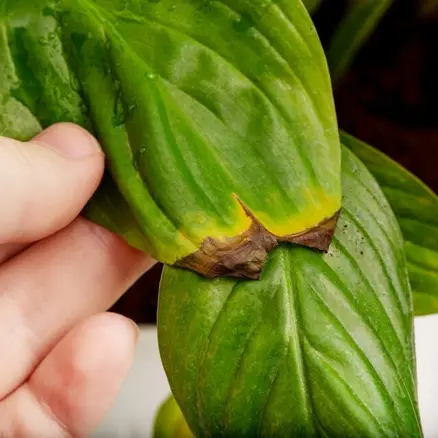
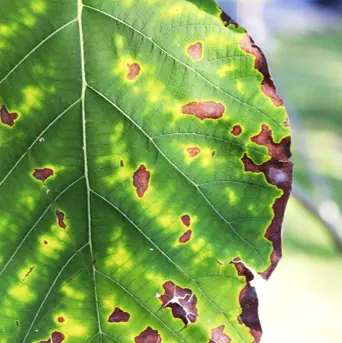
Water stress initially affects the most exposed parts of the plant, those with the highest water demand, such as leaves and young shoots.
Typical symptoms:
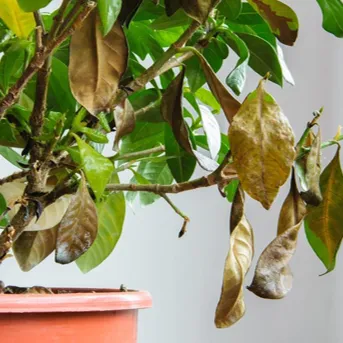
• General wilting of the plant, especially during the hottest hours of the day.
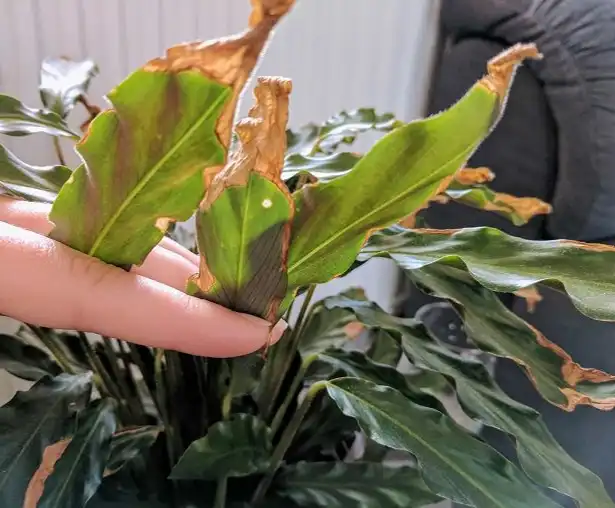
• Dry, brittle, or curled leaves.
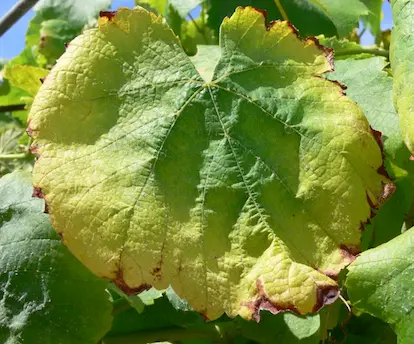
• Necrosis at the edges and tips of leaves (a "burned" appearance).
• Premature leaf, flower, or fruit drop.
• Reduced leaf and fruit size.
• Slow or stunted growth.
Progressive dehydration reduces metabolic activity and weakens the plant.
Stages of development:
• Initial: loss of turgor and slight wilting during the hottest hours of the day.
Intermediate stage: dry, curled leaves and organ drop.
Advanced stage: widespread necrosis and significant reduction in growth.
Final stage: complete desiccation and death of the plant if the condition is not corrected.

TEMPERATURE AND HUMIDITY
-
-

TRANSMISSION ROUTES
-
Do you want to remove this disease? Choose how you want to treat it.

TREATMENTS
Chemical treatments
There are no phytosanitary treatments. The frequency and amount of irrigation should be adjusted.
Authorized treatments in organic farming
There are no phytosanitary treatments. The frequency and amount of irrigation should be adjusted.
Biological control
-
Recommendations
To avoid problems caused by water scarcity, it is essential to maintain an adequate and constant water supply according to the crop's needs.
• Adjust the frequency and amount of irrigation according to climate, soil, and crop species.
• Irrigate during periods of lower evaporation (early morning or late afternoon).
• Improve soil moisture retention with organic matter.
• Apply mulch to reduce evaporation.
• Use efficient irrigation systems (drip irrigation).
• Avoid competition for water (weed control).
• Select more drought-tolerant varieties in arid regions.
Sponsored link

Sponsored link


Sponsored link
Sponsored link
Sponsored link


Sponsored link
Sponsored link
Effective against all types of fungi

Sponsored link


Sponsored link
Sponsored link

Sponsored link


Sponsored link
*The recommended treatments are recommendations based on the authorities' databases and do not replace in any way the guidelines established by the legislation of each country.
*Products shown are recommendations and not our own products. As Amazon Associates, we earn revenue from purchases of recommended products.

TREATMENTS
Homemade remedies
There are no home treatments
Natural allies
Chemical treatments
There are no treatments for this disease. Treatments are directed at the insect vectors that transmit it. See insect treatments.

RECOMMENDATIONS

REPELLENT PLANTS
EFFECTIVE PRODUCTS TO ELIMINATE THIS DISEASE
Sponsored link
Sponsored link
Sponsored link
Sponsored link
Sponsored link
Sponsored link
Sponsored link
Effective against all types of fungi
Sponsored link
Sponsored link
Sponsored link
Sponsored link
Sponsored link
*The recommended treatments are recommendations based on the authorities' databases and do not replace in any way the guidelines established by the legislation of each country.
*Products shown are recommendations and not our own products. As Amazon Associates, we earn revenue from purchases of recommended products.

Enjoy idMicrobe TOTALLY FREE, with no trial periods.


