

Ring Rot Or Disease
Phytophthora Megasperma
Pathogen:
Type:
Oomycete
Risk:
HIGH
Zanahoria
Phytophthora


WHO CAUSES IT?
Phytophthora megasperma is a pathogenic oomycete known to cause devastating diseases in various plants, including carrot. This pathogen resides in soil and water, producing resistance structures called oospores, which can survive for long periods in adverse conditions. In the presence of adequate moisture, oospores germinate and produce sporangia, which release motile zoospores. The zoospores swim to the roots of the plants, where they penetrate the tissues, initiating infection. Within the plant, the pathogen spreads through the roots and stem, causing necrosis and eventual death of affected tissues. As the disease progresses, Phytophthora megasperma forms new reproductive structures, perpetuating its presence in the environment and facilitating future infections.
.png)
SYMPTOMS
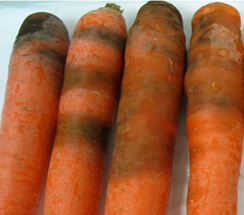
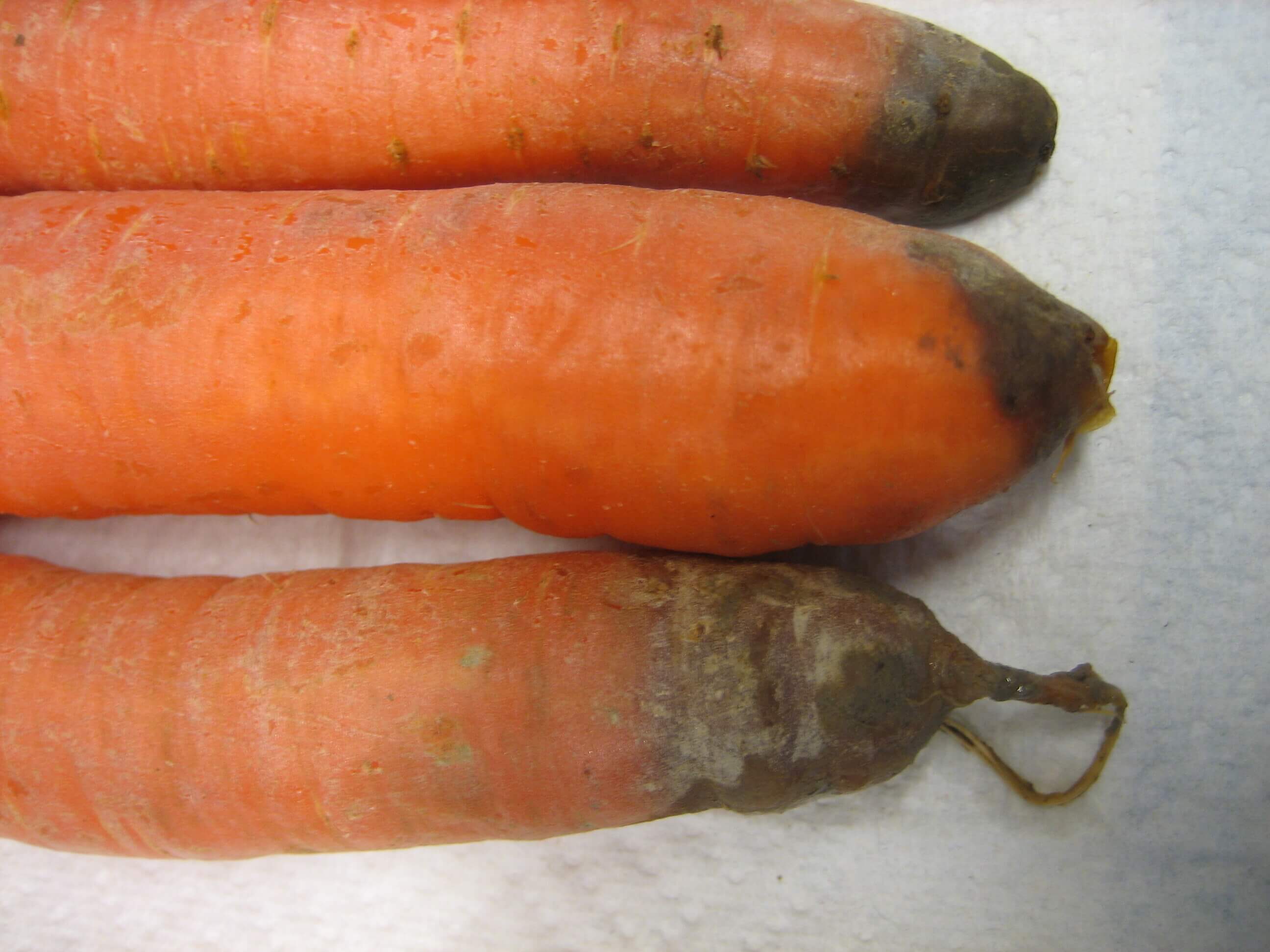
Ring rot or disease caused by Phytophthora megasperma in carrot is characterized by a progressive decomposition of the roots and neck of the plants. Symptoms generally begin in the roots, spreading towards the stem and causing general weakening of the plant.
- Discoloration and watery Taches on the roots
- Appearance of a ring of rot around the neck of the plant
- Necrosis of root and stem tissues
- Wilting and yellowing of foliage
- Plant collapse in advanced stages of infection


TEMPERATURE AND HUMIDITY
15°C - 25°C
85% - 100%

TRANSMISSION ROUTES
Irrigation water, Contaminated soil, Infected crop remains, Contaminated agricultural tools and machinery
Do you want to remove this disease? Choose how you want to treat it.

TREATMENTS
Chemical treatments
• COPPER OXYCHLORIDE 35% (EXPR. IN CU) [WG] P/P
• COPPER OXYCHLORIDE 38% (EXPR. IN CU) [SC] P/V
• COPPER OXYCHLORIDE 50% (EXPR. IN CU) [WP] P/P
• CUPROCALCIC SULFATE 12.4% (EXPR. IN CU) [SC] P/V
• CUPROCALCIC SULFATE 20% (EXPR. IN CU) [WG] P/P
Authorized treatments in organic farming
• COPPER OXYCHLORIDE 35% (EXPR. IN CU) [WG] P/P
• COPPER OXYCHLORIDE 38% (EXPR. IN CU) [SC] P/V
• COPPER OXYCHLORIDE 50% (EXPR. IN CU) [WP] P/P
• CUPROCALCIC SULFATE 12.4% (EXPR. IN CU) [SC] P/V
• CUPROCALCIC SULFATE 20% (EXPR. IN CU) [WG] P/P
Biological control
• TRICHODERMA ASPERELLUM (STRAIN ICC012) 2% + TRICHODERMA GAMSII (STRAIN ICC080) 2% (3 X 10E7 CFU/G (SUM OF BOTH MICROORGANISMS)) [WP] P/P
• TRICHODERMA ASPERELLUM (STRAIN T25) (1X10E8 CFU/G) 0.5% + TRICHODERMA ATROVIRIDE (STRAIN T11) (1X10E8 CFU/G) 0.5% [WG] P/P
Recommendations
- Implement crop rotations with non-susceptible species to reduce pathogen pressure in the soil.
- Use carrot varieties resistant to Phytophthora megasperma when available.
- Maintain good irrigation management, avoiding excess moisture in the soil that favors the proliferation of the pathogen.
- Improve soil drainage to prevent waterlogging and accumulation of water around the roots.
- Eliminate and destroy the remains of affected crops to reduce sources of inoculum.
- Apply specific fungicides according to technical recommendations and constantly monitor their effectiveness.
- Practice good field hygiene, disinfecting tools and equipment to prevent the spread of the pathogen.
- Carry out regular monitoring of the crop to detect the first symptoms of the disease early and take immediate corrective measures.
Sponsored link
Sponsored link
Sponsored link


Sponsored link
Sponsored link
Sponsored link
Sponsored link


Sponsored link
Sponsored link
Effective against all types of fungi

Sponsored link
Sponsored link


Sponsored link
Sponsored link

Sponsored link
Sponsored link


Sponsored link
*The recommended treatments are recommendations based on the authorities' databases and do not replace in any way the guidelines established by the legislation of each country.
*Products shown are recommendations and not our own products. As Amazon Associates, we earn revenue from purchases of recommended products.

TREATMENTS
Homemade remedies
There are no home treatments
Natural allies
Chemical treatments
There are no treatments for this disease. Treatments are directed at the insect vectors that transmit it. See insect treatments.

RECOMMENDATIONS

REPELLENT PLANTS
EFFECTIVE PRODUCTS TO ELIMINATE THIS DISEASE
Sponsored link
Sponsored link
Sponsored link
Sponsored link
Sponsored link
Sponsored link
Sponsored link
Sponsored link
Sponsored link
Effective against all types of fungi
Sponsored link
Sponsored link
Sponsored link
Sponsored link
Sponsored link
Sponsored link
Sponsored link
*The recommended treatments are recommendations based on the authorities' databases and do not replace in any way the guidelines established by the legislation of each country.
*Products shown are recommendations and not our own products. As Amazon Associates, we earn revenue from purchases of recommended products.

Enjoy idMicrobe TOTALLY FREE, with no trial periods.


