

Thrips
Frankliniella Occidentalis
Pathogen:
Type:
Insect
Risk:
HIGH
Zanahoria
Trips

WHO CAUSES IT?
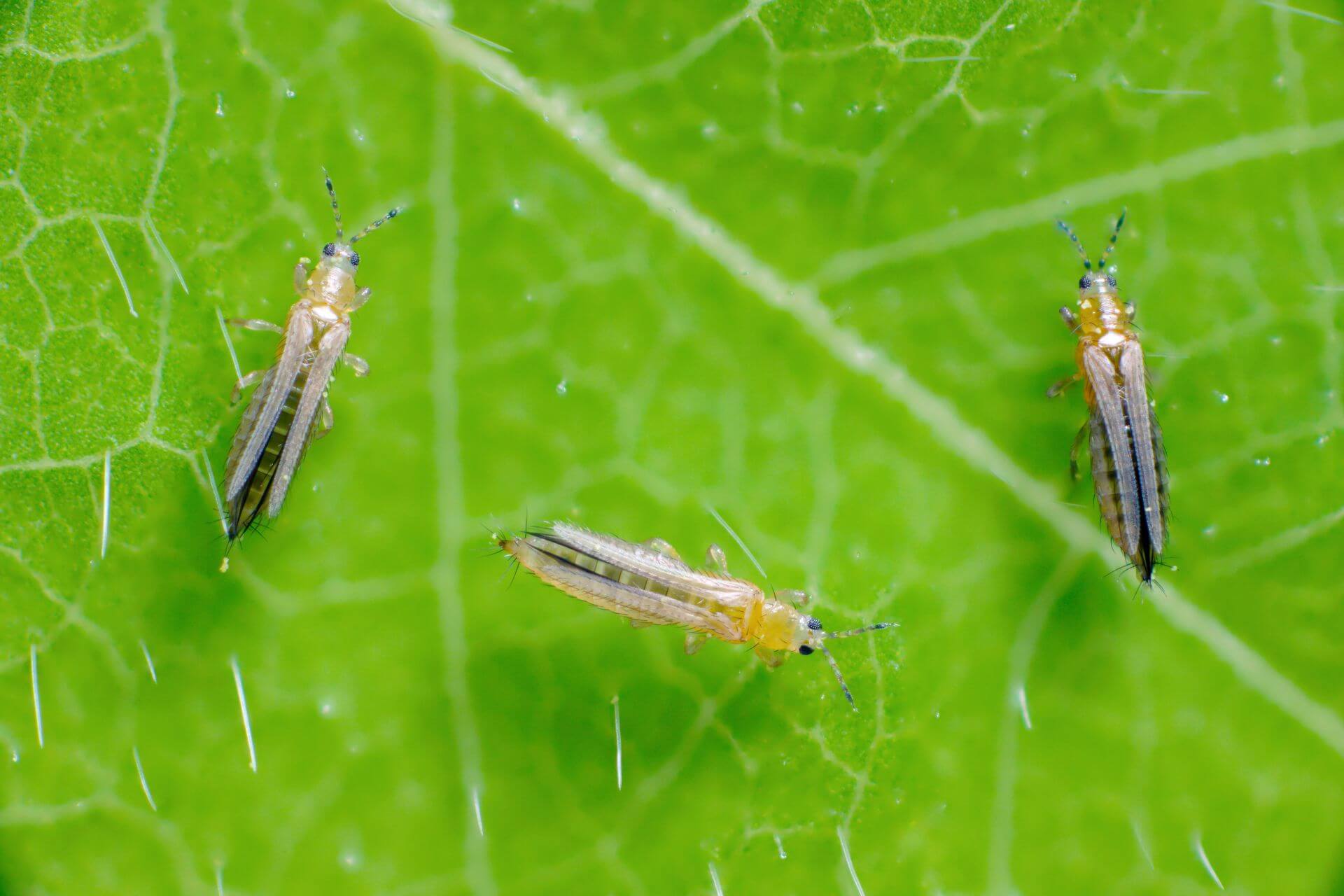
Frankliniella occidentalis, known as the western flower thrips, is a small insect belonging to the family Thripidae. This insect has an elongated, narrow body, usually yellow to brown in color, and is approximately 1-2 mm in length. Its development cycle includes the egg, larva, pupa and adult stages. Females lay their eggs within plant tissues, where larvae emerge and begin feeding. The larvae go through two instars before entering the pupal phase, which can occur in the soil or on the surface of leaves. Finally, the adults emerge and continue the cycle of feeding and reproduction. The life of a thrips can be completed in approximately two weeks under favorable conditions, allowing for multiple generations per year.
.png)
SYMPTOMS
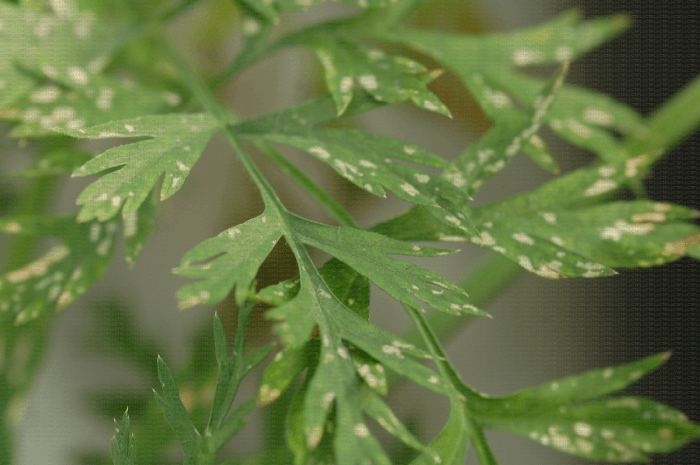
Frankliniella occidentalis infestation on carrots causes the disease known as thrips, which can result in significant damage to both the quality and quantity of the crop. Thrips feed by sucking cellular juices from the leaves and roots, which can weaken the plant and affect its development.
- Silvery or discolored Taches on the leaves.
- Dotted and wrinkled feeding areas.
- Distortion and malformation of the leaves.
- Reduction in the vigor and growth of plants.
- Healing on the surface of the roots.
- Delay in the development of carrots.


TEMPERATURE AND HUMIDITY
20°C - 30°C
50% - 70%

TRANSMISSION ROUTES
Wind, infested plants, contaminated agricultural tools, workers' clothes and hands, vector insects
Do you want to remove this disease? Choose how you want to treat it.

TREATMENTS
Chemical treatments
• ORANGE OIL 6% [SL] P/V
• ORANGE OIL 60g/L [ME] P/S
• AZADIRACTIN 1% (AS AZADIRACTIN A) [EC] P/V
• Azadirachtin 2.6% (AS AZADIRACTIN A) [EC] P/V
• CYPERMETHRIN 10% [EC] P/V
• CYPERMETHRIN 5% [EC] P/V
• CYPERMETHRIN 50% [EC] P/V
• DELTAMETHRIN 1.5% [EW] P/V
• DELTAMETHRIN 1.57% [SC] P/V
• DELTAMETHRIN 2.5% [EC] P/V
• DELTAMETHRIN 2.5% [EW] P/V
• LAMBDA CYHALOTHRIN 10% [CS] P/V
• POTASSIUM SALTS OF FATTY ACIDS C14-C20 48% [EW] P/V
• SPINOSAD 48% [SC] P/V
• SPIROTETRAMAT 10% [SC] P/V
• ADHESIVE TRAP
• CHROMATIC TRAP
Authorized treatments in organic farming
• ORANGE OIL 6% [SL] P/V
• ORANGE OIL 60g/L [ME] P/S
• AZADIRACTIN 1% (AS AZADIRACTIN A) [EC] P/V
• Azadirachtin 2.6% (AS AZADIRACTIN A) [EC] P/V
• LAMBDA CYHALOTHRIN 10% [CS] P/V
• POTASSIUM SALTS OF FATTY ACIDS C14-C20 48% [EW] P/V
• SPINOSAD 48% [SC] P/V
• ADHESIVE TRAP
• CHROMATIC TRAP
Biological control
• AMBLYDROMALUS LIMONICUS (Parasitoid and predatory mites)
• AMBLYSEIUS SWIRSKII (Parasitoid and predatory mites)
• BEAUVERIA BASSIANA (STRAIN ATCC 74040) 2.3% (2.3X10E7 VIABLE SPORES/ML) [OD] P/V
• BEAUVERIA BASSIANA (GHA STRAIN) 22% (4.4 x 10E10 CONIDIAS/G) [WP] P/P
• BEAUVERIA BASSIANA strain PPRI 5339 8% (8 X 10E12 CFU/L) [OD] P/P
• CHRYSOPERLA CARNEA (Parasitoid and predatory insects)
• HETERORHABDITIS BACTERIOPHORA (Parasitoid and predatory nematodes)
• MACROCHELES ROBUSTULUS (Parasitoid and predatory mites)
• MACROLOPHUS PYGMAEUS (Parasitoid and predatory insects)
• METARHIZIUM BRUNNEUM strain Ma 43 10.5% [OD] P/V
• NEOSEIULUS CUCUMERIS (Parasitoid and predatory mites)
• ORIUS LAEVIGATUS (Parasitoid and predatory insects)
• STEINERNEMA FELTIAE (Parasitoid and predatory nematodes)
• TRANSEIUS MONTDORIENSIS (Parasitoid and predatory mites)
Recommendations
- Implement regular monitoring programs to detect the presence of thrips in the initial stages of infestation.
- Use blue or yellow sticky traps to capture and monitor the thrips population.
- Promote biodiversity in cultivation, including plants that attract natural enemies of thrips, such as predatory mites and lacewings.
- Apply specific insecticides following technical recommendations and at appropriate times to maximize effectiveness.
- Practice crop rotation and avoid continuously planting carrots in the same plot to reduce pest pressure.
- Maintain good field hygiene, eliminating crop remains and weeds that could serve as a refuge for thrips.
- Use soil covers and mulching to make it difficult for thrips to access the plants.
- Implement adequate irrigation measures to avoid water stress, which can increase the susceptibility of plants to damage by thrips.
Sponsored link
Sponsored link
Sponsored link


Sponsored link
Sponsored link
Sponsored link
Sponsored link


Sponsored link
Sponsored link
Effective against all types of fungi

Sponsored link
Sponsored link


Sponsored link
Sponsored link

Sponsored link
Sponsored link


Sponsored link
*The recommended treatments are recommendations based on the authorities' databases and do not replace in any way the guidelines established by the legislation of each country.
*Products shown are recommendations and not our own products. As Amazon Associates, we earn revenue from purchases of recommended products.

TREATMENTS
Homemade remedies
There are no home treatments
Natural allies
Chemical treatments
There are no treatments for this disease. Treatments are directed at the insect vectors that transmit it. See insect treatments.

RECOMMENDATIONS

REPELLENT PLANTS
EFFECTIVE PRODUCTS TO ELIMINATE THIS DISEASE
Sponsored link
Sponsored link
Sponsored link
Sponsored link
Sponsored link
Sponsored link
Sponsored link
Sponsored link
Sponsored link
Effective against all types of fungi
Sponsored link
Sponsored link
Sponsored link
Sponsored link
Sponsored link
Sponsored link
Sponsored link
*The recommended treatments are recommendations based on the authorities' databases and do not replace in any way the guidelines established by the legislation of each country.
*Products shown are recommendations and not our own products. As Amazon Associates, we earn revenue from purchases of recommended products.

Enjoy idMicrobe TOTALLY FREE, with no trial periods.


