

Gray Rot
Botrytis Cinerea
Pathogen:
Type:
Fungus
Risk:
HIGH
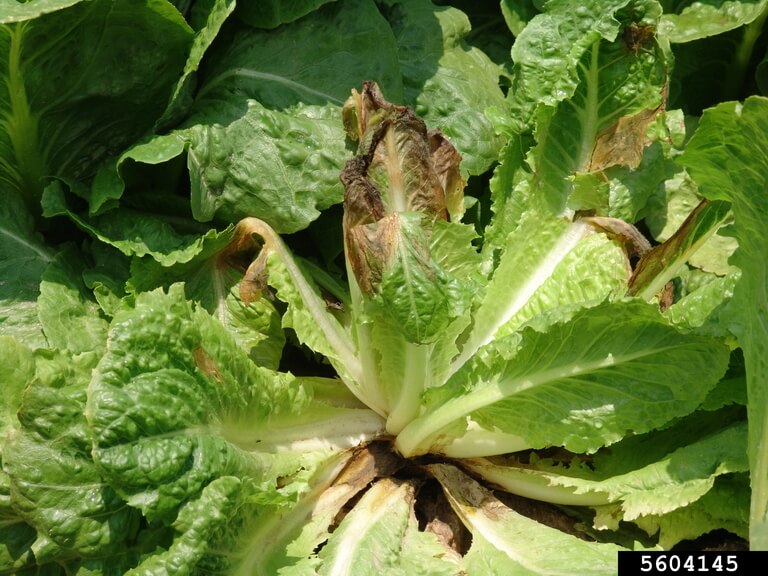
Lechuga
Podredumbre gris

WHO CAUSES IT?
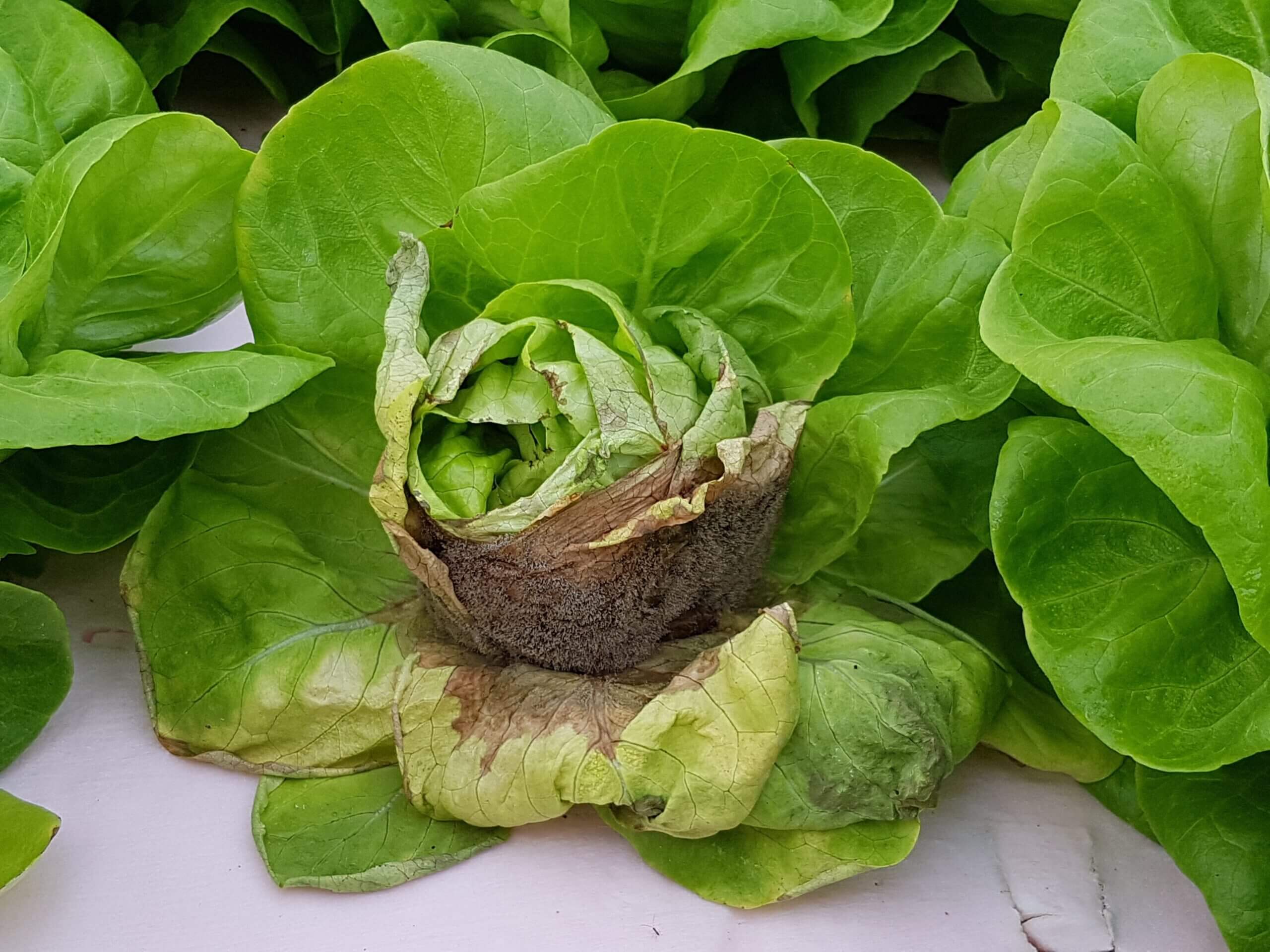
Botrytis cinerea is a fungus that causes the disease known as gray rot in lettuce plants. This pathogen develops mainly in conditions of high humidity and moderate temperatures. The fungus produces spores that spread easily through the air and can survive on infected plant remains in the soil for long periods. Under favorable conditions, the fungus germinates and penetrates the plant tissues, causing necrotic lesions that eventually become covered with a characteristic gray mold.
.png)
SYMPTOMS
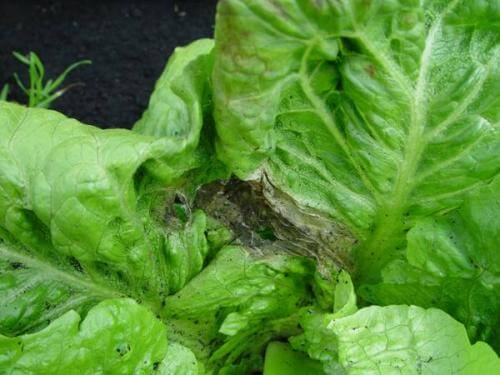
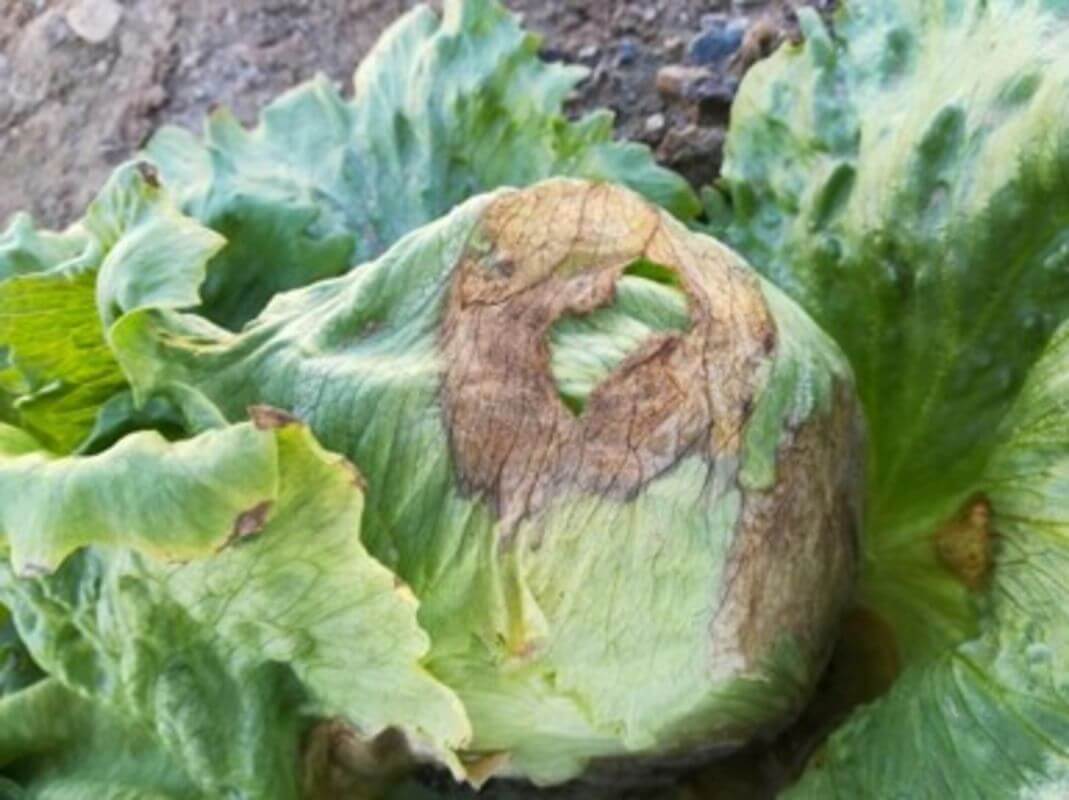
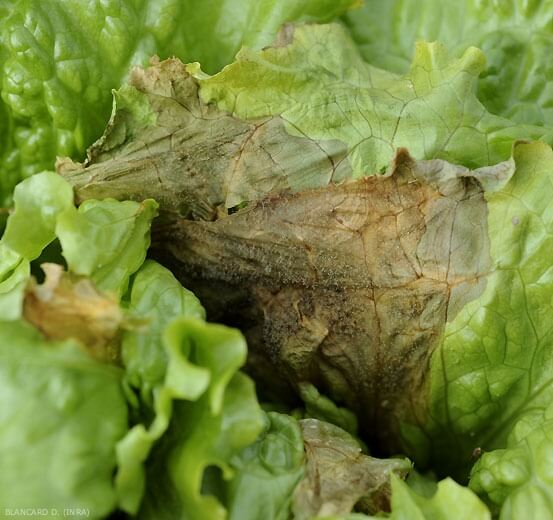
Gray rot is a disease that affects lettuce plants, causing necrotic lesions on the leaves, stems and flowers. General symptoms include watery Taches on leaves that spread rapidly and turn into brown or gray lesions covered in mold. In addition, affected plants may show progressive wilting and have an unpleasant odor due to tissue decomposition.
- Watery Taches on the leaves.
- Brown or gray necrotic lesions covered with mold.
- Progressive wilting of plants.
- Unpleasant odor due to the decomposition of tissues.

TEMPERATURE AND HUMIDITY
15-25°C
85-95%

TRANSMISSION ROUTES
Wind, irrigation water, direct contact with infected plants, contaminated soil
Do you want to remove this disease? Choose how you want to treat it.

TREATMENTS
Chemical treatments
• AZOXISTROBIN 25% [SC] P/V
• CIPRODINIL 37.5% + FLUDIOXONIL 25% [WG] P/P
• DIFENOCONAZOLE 25% [EC] P/V
• EUGENOL 3.3% + GERANIOL 6.6% + THYMOL 6.6% [CS] P/V
• PHENHEXAMIDE 50% [SC] P/V
• PHENHEXAMIDE 50% [WG] P/P
• FLUDIOXONIL 50% [WG] P/P
• FLUOPYRAM 25% + TRIFLOXISTROBIN 25% [SC] P/V
• LAMINARIN 4.5% [SL] P/S
• COPPER OXYCHLORIDE 35% (EXPR. IN CU) [WG] P/P
• PENTIOPYRAD 20% [SC] P/V
• PIRACLOSTROBIN 6.7% + BOSCALIDE 26.7% ( ) [WG] P/P
• PIRACLOSTROBIN 6.7% + BOSCALIDE 26.7% (I) [WG] P/P
• PYRIMETANIL 40% [SC] P/V
Authorized treatments in organic farming
• EUGENOL 3.3% + GERANIOL 6.6% + THYMOL 6.6% [CS] P/V
• LAMINARIN 4.5% [SL] P/S
• COPPER OXYCHLORIDE 35% (EXPR. IN CU) [WG] P/P
Biological control
• BACILLUS AMYLOLIQUEFACIENS (strain AH2) (1x10E11 CFU/l) [SC] P/V
• BACILLUS AMYLOLIQUEFACIENS (strain FZB24) 13% [WP] P/P
• BACILLUS AMYLOLIQUEFACIENS (MBI 600 strain) 11% [WP] P/P
• BACILLUS AMYLOLIQUEFACIENS (subsp. plantarum, strain D747) 25% [WG] P/P
• BACILLUS AMYLOLIQUEFACIENS subsp. plantarum (strain D747) 5% [SC] P/V
• BACILLUS SUBTILIS (strain IAB/BS03) (1 x 10E8 cfu/ml) 10 g/l [SL] P/V
• BACILLUS SUBTILIS (STRAIN QST 713) 1.34% [SC] P/V
• CLONOSTACHYS ROSEA CEPA J1446 (GLIOCLADIUM CATENULATUM (CEPA J1446)) (1 x 10E 9 cfu/g) 900 g/kg [WG] P/P
Recommendations
- Improve air circulation in the crop through pruning and proper plant spacing.
- Avoid excess humidity in the environment and in the soil through adequate irrigation and the use of mulch.
- Remove and destroy the remains of infected plants to reduce the source of inoculum for the fungus.
- Use broad-spectrum preventive fungicides before symptoms appear.
- Rotate crops to interrupt the fungal life cycle and reduce disease pressure on the soil.
Sponsored link

Sponsored link


Sponsored link
Sponsored link
Sponsored link


Sponsored link
Sponsored link
Effective against all types of fungi

Sponsored link


Sponsored link
Sponsored link

Sponsored link


Sponsored link
*The recommended treatments are recommendations based on the authorities' databases and do not replace in any way the guidelines established by the legislation of each country.
*Products shown are recommendations and not our own products. As Amazon Associates, we earn revenue from purchases of recommended products.

TREATMENTS
Homemade remedies
There are no home treatments
Natural allies
Chemical treatments
There are no treatments for this disease. Treatments are directed at the insect vectors that transmit it. See insect treatments.

RECOMMENDATIONS

REPELLENT PLANTS
EFFECTIVE PRODUCTS TO ELIMINATE THIS DISEASE
Sponsored link
Sponsored link
Sponsored link
Sponsored link
Sponsored link
Sponsored link
Sponsored link
Effective against all types of fungi
Sponsored link
Sponsored link
Sponsored link
Sponsored link
Sponsored link
*The recommended treatments are recommendations based on the authorities' databases and do not replace in any way the guidelines established by the legislation of each country.
*Products shown are recommendations and not our own products. As Amazon Associates, we earn revenue from purchases of recommended products.

Enjoy idMicrobe TOTALLY FREE, with no trial periods.


