

Phytophthora
Watery fruits
Phytophthora sp.
Pathogen:
Oomycete
Type:
Risk to the plant:
HIGH

DESCRIPTION
WHO CAUSES IT?
Phytophthora sp. is a phytopathogenic organism belonging to the oomycetes, a group of fungus-like microorganisms that can affect numerous plant species and cause significant losses under favorable conditions. Its development is closely linked to the presence of water and to soils or plant surfaces that remain moist for extended periods. The pathogen can survive between favorable periods through resistant structures, primarily oospores and, depending on the species, through mycelium present in infected tissues or plant debris. When environmental conditions are suitable, it can produce sporangia, structures capable of generating motile zoospores. Zoospores are transported by water and constitute one of the main means of dispersal and infection by Phytophthora. They can reach the surface of fruits through rain splash, irrigation, runoff, or contact with contaminated water. After reaching susceptible tissue, the zoospores can encyst, germinate, and develop germ tubes that penetrate plant tissues. Infection can also occur through direct contact with contaminated material or through small wounds and damaged areas. Once inside the tissues, the pathogen develops mycelium and progressively colonizes the cells, causing their destruction and the appearance of moist, necrotic lesions. On the affected tissues, it can produce new sporangia, which release zoospores and allow the infection to spread rapidly when water is available. Splashing can carry the inoculum from the soil to nearby fruit, while runoff can transport it between different areas of the crop. The pathogen's survival in the soil and in infected plant debris makes eradication difficult once established. High humidity, poor drainage, and moderate temperatures particularly favor its activity and can generate new foci of infection in a short time. For this reason, water management, reducing sources of inoculum, and preventing contact of fruit with contaminated soil or water are fundamental elements for limiting its development.
SYMPTOMS
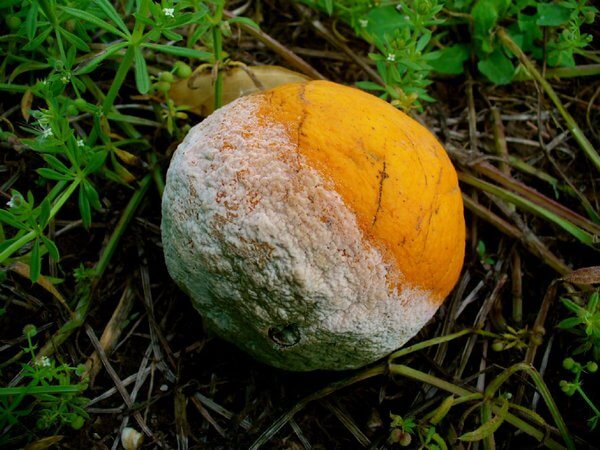
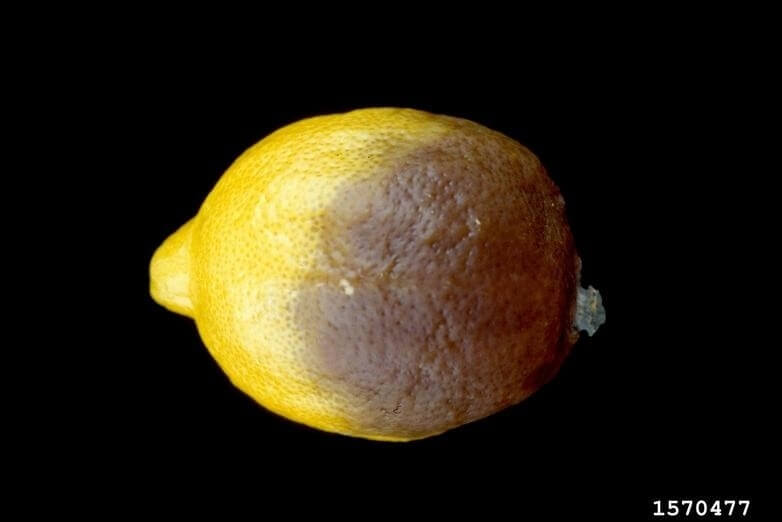
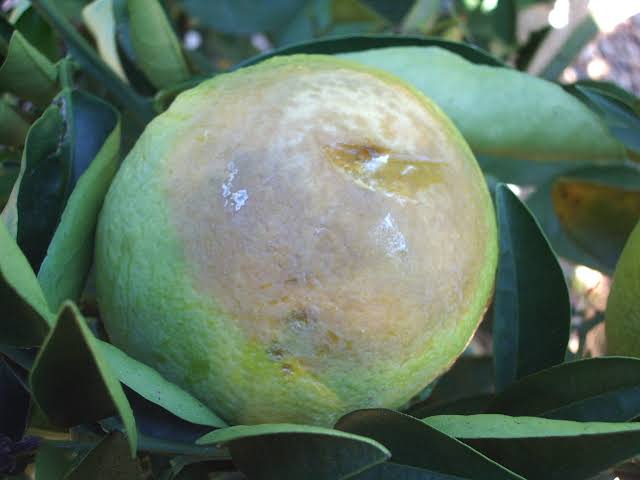
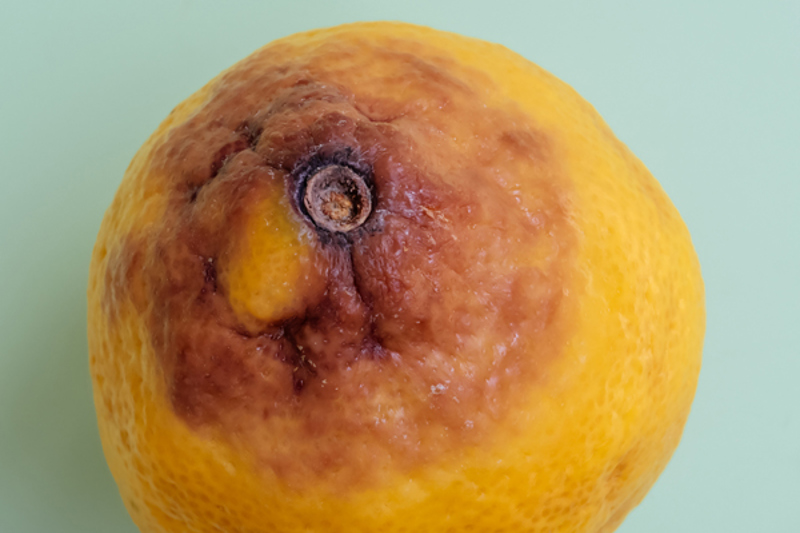
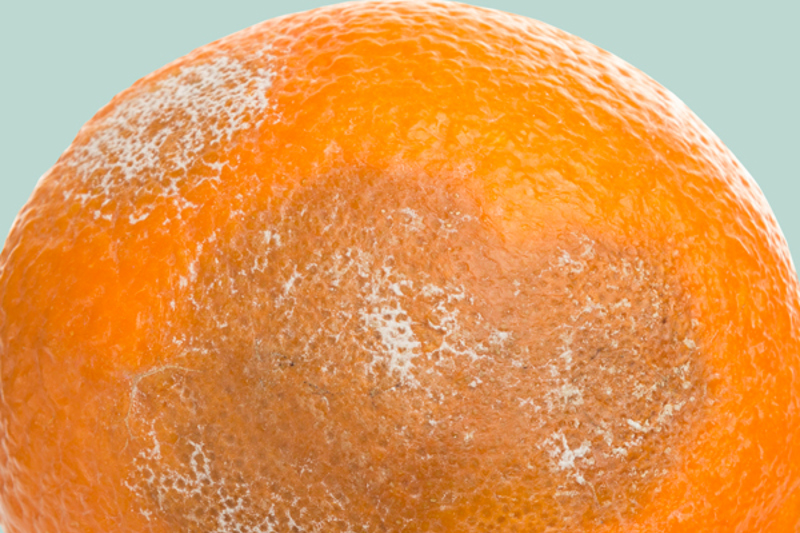
Phytophthora sp. fruit rot is characterized by a rapidly progressing decay that primarily affects fruit that comes into contact with damp soil, contaminated water, or wet surfaces. The infection typically begins with small, watery-looking areas that subsequently increase in size and turn brown, tan, or darker shades. Affected tissues quickly lose their firmness and may appear translucent and soggy, distinguishing them from other rots due to their strong association with humid conditions and the presence of water. As the disease progresses, the tissue decomposes, and the fruit may become completely spoiled. Under high humidity, the infection can spread rapidly between nearby fruits, especially with direct contact or water splashes. Affected fruits may emit an unpleasant odor as a result of tissue degradation and the subsequent involvement of secondary microorganisms. The disease can cause significant losses before harvest and also during transport and storage when fruits arrive with incipient infections. The most common damage includes:
• Appearance of small, wet, or watery spots on the fruit surface.
• Formation of soft, translucent areas around the point of infection.
• Brown, tan, or dark discoloration of the affected tissues.
• Rapid spread of the lesion across the fruit surface.
• Progressive softening and loss of firmness.
• Wet rot that can affect a large part or all of the fruit.
• Decomposition and collapse of tissues in advanced stages.
• Appearance of fruit with a soggy or watery appearance.
• Presence of particularly severe lesions in areas near the ground.
• Increased damage after rain, heavy irrigation, or prolonged periods of humidity.
• Spread of the infection between fruits through contact or water splashes.
• Loss of commercial quality and reduced shelf life of the fruit. • The appearance of secondary rots during the storage of previously affected fruit.

TEMPERATURE AND HUMIDITY
15-25 °C
90-100 %

HOW IS IT SPREAD?
Rainwater, Water splashes, Irrigation water, Runoff, Contaminated soil, Infected plant debris, Infected plant material, Contaminated tools, Fruit contact, Soil transport

HOW TO REMOVE IT?
Home remedies
There are no home treatments
Chemical treatments
• FOSETIL-AL 80% [WG] P/P
• CUPRIC HYDROXIDE 13.6% (EXPR. IN CU) + COPPER OXYCHLORIDE 13.6% (EXPR. IN CU) [SC] P/V
• CUPRIC HYDROXIDE 35% (EXPR. IN CU) [WG] P/P
• CUPRIC HYDROXIDE 50% (EXPR. IN CU) [WP] P/P
• COPPER OXYCHLORIDE 37.5% (EXPR. IN CU) [WG] P/P
• COPPER OXYCHLORIDE 38% (EXPR. IN CU) [SC] P/V
• COPPER OXYCHLORIDE 50% (EXPR. IN CU) [WP] P/P
• COPPER OXYCHLORIDE 70% [SC] P/V
• CUPROCALCIC SULFATE 20% (EXPR. IN CU) [WP] P/P
• TRIBASIC COPPER SULFATE 19% (EXPR. IN CU) [SC] P/V
Authorized treatments in organic farming
• CUPRIC HYDROXIDE 13.6% (EXPR. IN CU) + COPPER OXYCHLORIDE 13.6% (EXPR. IN CU) [SC] P/V
• CUPRIC HYDROXIDE 35% (EXPR. IN CU) [WG] P/P
• CUPRIC HYDROXIDE 50% (EXPR. IN CU) [WP] P/P
• COPPER OXYCHLORIDE 37.5% (EXPR. IN CU) [WG] P/P
• COPPER OXYCHLORIDE 38% (EXPR. IN CU) [SC] P/V
• COPPER OXYCHLORIDE 50% (EXPR. IN CU) [WP] P/P
• COPPER OXYCHLORIDE 70% [SC] P/V
• CUPROCALCIC SULFATE 20% (EXPR. IN CU) [WP] P/P
• TRIBASIC COPPER SULFATE 19% (EXPR. IN CU) [SC] P/V
Insect allies
PREDATORY MITES
LADYBUGS
LACEWINGS
PARASITIC WASPS
HOVERFLIES OR PARASITIC FLIES
PREDATORY BUGS
There are no natural allies
Mycodiplosis oidii (predatory mosquito)
EFFECTIVE PRODUCTS TO ELIMINATE THIS DISEASE
Sponsored link

Sponsored link
Sponsored link
Sponsored link
Sponsored link
Sponsored link
Sponsored link
Sponsored link
Sponsored link
Sponsored link


Sponsored link
Sponsored link
Effective against all types of fungi

Sponsored link
Sponsored link
Sponsored link
Sponsored link
Sponsored link
Sponsored link
Sponsored link
Sponsored link


Sponsored link
Sponsored link

Sponsored link
Sponsored link
Sponsored link
Sponsored link
Sponsored link
Sponsored link
Sponsored link
Sponsored link


Sponsored link
Sponsored link
Sponsored link
Sponsored link
Sponsored link
Sponsored link
Sponsored link
Sponsored link
Sponsored link
Sponsored link


Sponsored link
• Prevent fruit from remaining in direct contact with the soil, especially in crops where there is a high risk of waterlogging.
• Improve soil drainage to prevent water accumulation around the plants.
• Avoid over-irrigation and adjust the frequency and amount of water to the actual needs of the crop.
• Reduce the use of sprinkler irrigation, when possible, during periods of highest risk.
• Prevent runoff water from potentially contaminated areas from coming into contact with the fruit.
• Remove affected fruit and dispose of it from the crop to reduce sources of inoculum.
• Remove infected plant debris that may remain in contact with the soil or accumulate moisture.
• Maintain good air circulation around the vegetation to promote faster drying of fruit and plant surfaces.
• Avoid wounds and damage to the fruit during cultivation and harvesting.
• Check the fruit regularly, especially after rain or periods of high humidity. • Separate any fruit showing damage or signs of rot during harvesting.
• Keep tools, containers, and surfaces used during harvesting and handling clean.
• Avoid transporting potentially contaminated soil or plant debris to disease-free areas.
• Use healthy plant material and avoid introducing plants or substrates from affected areas.
• In cases of high risk, use fungicides authorized for the crop and the disease, strictly following the label instructions.
• Prioritize preventative measures, as treatments applied after the infection is widespread may have limited effectiveness.
• Alternate active ingredients with different modes of action when repeated treatments are necessary.
• Respect the doses, intervals, and maximum number of applications established for each plant protection product.
Recommendations

Enjoy idMicrobe TOTALLY FREE, with no trial periods.


