


Micosis/Hongos
Stem girdling: what it is, how it occurs, and how to effectively eliminate it
Peduncle Girdling
Fungi, Bacteria Of Different Species And Nutritional Disorders
Pathogen:
Several
Type:
Risk to the plant:
HIGH
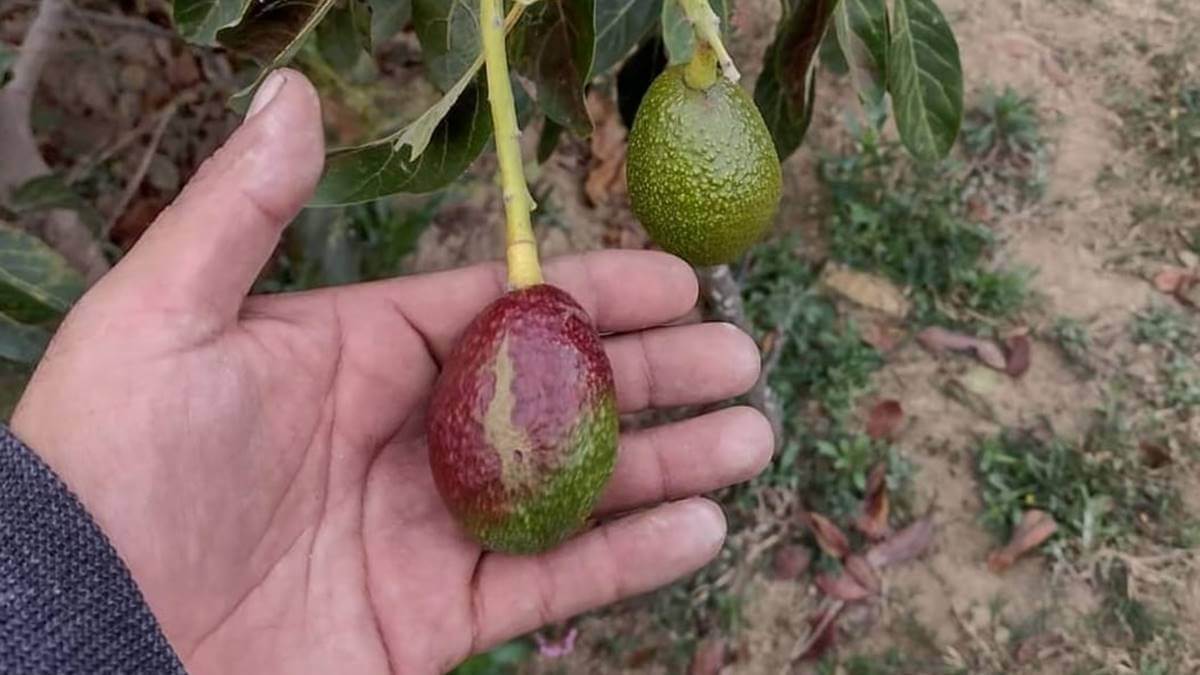


DESCRIPTION
WHO CAUSES IT?
Stem girdling in avocado is caused by a combination of fungi, bacteria and nutritional disorders. Fungi, such as Colletotrichum spp., and bacteria, such as Pseudomonas spp., can infect the fruit stem, penetrating through wounds or natural openings. These microorganisms develop in humid and warm environments, proliferating rapidly when conditions are favorable. Fungal and bacterial spores can survive in infected plant debris, soil, and water, and are dispersed through wind, water splashes, and contaminated tools. Nutritional disorders, such as calcium deficiency, also play a critical role in the onset of this disease, weakening the stem tissue and making it more susceptible to infections.
SYMPTOMS
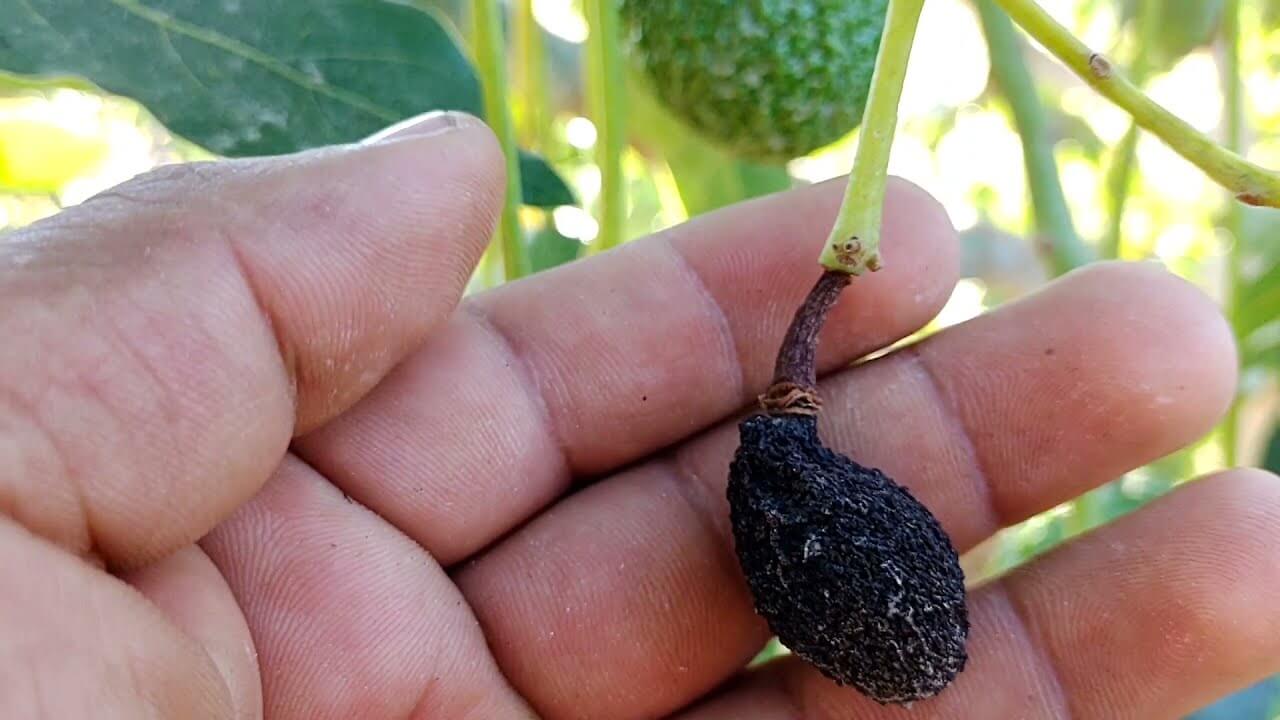
Stem girdling in avocado affects the integrity of the fruit and can cause crop loss. The disease initially manifests itself on the fruit peduncle, causing visible damage and affecting the plant's ability to properly support the fruit.
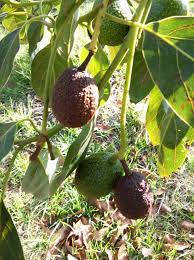
- Appearance of circular or ringed lesions on the peduncle of the fruit.
- Discoloration and necrosis of the peduncle tissue.
- Premature fruit drop.
- Reduction in the size and weight of the fruits.
- Fruits with reduced commercial quality.
- Rot of the peduncle and surrounding areas.

TEMPERATURE AND HUMIDITY
20°C - 30°C
70% - 90%

HOW IS IT SPREAD?
Wind-borne spores, water splashes, contaminated agricultural tools, infected soil, infected plant material

HOW TO REMOVE IT?
Home remedies
There are no home treatments
Chemical treatments
• It is important to identify the cause that may be of bacterial, fungal (Colletrotrichum sp.) or nutritional origin and act as recommended for each cause.
Authorized treatments in organic farming
• It is important to identify the cause that may be of bacterial, fungal (Colletrotrichum sp.) or nutritional origin and act as recommended for each cause.
Insect allies
PREDATORY MITES
LADYBUGS
LACEWINGS
PARASITIC WASPS
HOVERFLIES OR PARASITIC FLIES
PREDATORY BUGS
There are no natural allies
Mycodiplosis oidii (predatory mosquito)
EFFECTIVE PRODUCTS TO ELIMINATE THIS DISEASE





- Implement integrated pest management practices that include crop rotation and the use of resistant varieties.
- Maintain adequate crop nutrition, especially ensuring a good supply of calcium and other essential nutrients.
- Carry out regular crop monitoring to detect early signs of disease and take preventive measures.
- Improve soil drainage to avoid the accumulation of moisture, which favors the development of pathogens.
- Disinfect agricultural tools and equipment before use to prevent the spread of pathogens.
- Apply fungicidal and bactericidal treatments according to technical recommendations and at critical moments in the crop cycle.
- Remove and destroy the remains of infected plants and affected fruits to reduce the source of inoculum.
- Promote biological control through the introduction of beneficial organisms that can reduce the pathogen population.
Recommendations



Explore more tools
Services
Contact
Legal
©2023 por ZeriMar Laboratoire. Todos os direitos reservados.