


Polillas
Diamondback moth: what it is, how it originates, and how to eliminate it effectively
Diamondback Moth
Plutella Xylostella
Pathogen:
Insect
Type:
Risk to the plant:
HIGH


DESCRIPTION
WHO CAUSES IT?
Plutella xylostella, known as the diamondback moth, is a lepidopteran insect that mainly attacks crucifers, but can also infest other crops such as lettuce. This insect is small, approximately 8-10 mm in wingspan, with narrow forewings and a characteristic diamond-shaped white stripe on its back. The females lay their eggs on the underside of the leaves, from where the larvae emerge after a few days. The larvae go through four larval stages, feeding voraciously on leaf tissue, and upon completing their development, they become pupae wrapped in a silky cocoon. This phase lasts about a week, after which the adults emerge. Adult moths are highly mobile and capable of flying long distances, which contributes to the rapid spread of the pest.
SYMPTOMS
In lettuce, Plutella xylostella causes significant damage due to the feeding of its larvae, which pierce and consume the leaf tissue, leaving holes and damaging the structure of the leaves. This not only affects the appearance and quality of the crop, but can also reduce its yield.
- Irregular holes in the leaves.
- Loss of leaf tissue.
- Skeletal or partially transparent leaves.
- Aesthetic damage that reduces the commercial value of the lettuce.
- Presence of larval excrement on the leaves.
- Reduction in plant growth.


TEMPERATURE AND HUMIDITY
15°C - 30°C
50% - 80%

HOW IS IT SPREAD?
Wind, Direct contact between plants, Transport of infested plants, Movement of contaminated agricultural machinery, Flying adult moths

HOW TO REMOVE IT?
Home remedies
There are no home treatments
Chemical treatments
• AZADIRACTIN 1% (AS AZADIRACTIN A) [EC] P/V
• Azadirachtin 2.6% (AS AZADIRACTIN A) [EC] P/V
• DELTAMETHRIN 10% [EC] P/V
• DELTAMETHRIN 2.5% [EC] P/V
• DELTAMETHRIN 2.5% [EW] P/V
• LAMBDA CYHALOTHRIN 0.0015% [ME] P/V
• LAMBDA CYHALOTHRIN 10% [CS] P/V
• METAFLUMIZONE 24% [SC] P/V
• SPINETORAM 2.5% [SC] P/V
Authorized treatments in organic farming
• AZADIRACTIN 1% (AS AZADIRACTIN A) [EC] P/V
• Azadirachtin 2.6% (AS AZADIRACTIN A) [EC] P/V
• LAMBDA CYHALOTHRIN 0.0015% [ME] P/V
• LAMBDA CYHALOTHRIN 10% [CS] P/V
Insect allies
PREDATORY MITES
LADYBUGS
LACEWINGS
PARASITIC WASPS
HOVERFLIES OR PARASITIC FLIES
PREDATORY BUGS
There are no natural allies
Mycodiplosis oidii (predatory mosquito)
EFFECTIVE PRODUCTS TO ELIMINATE THIS DISEASE

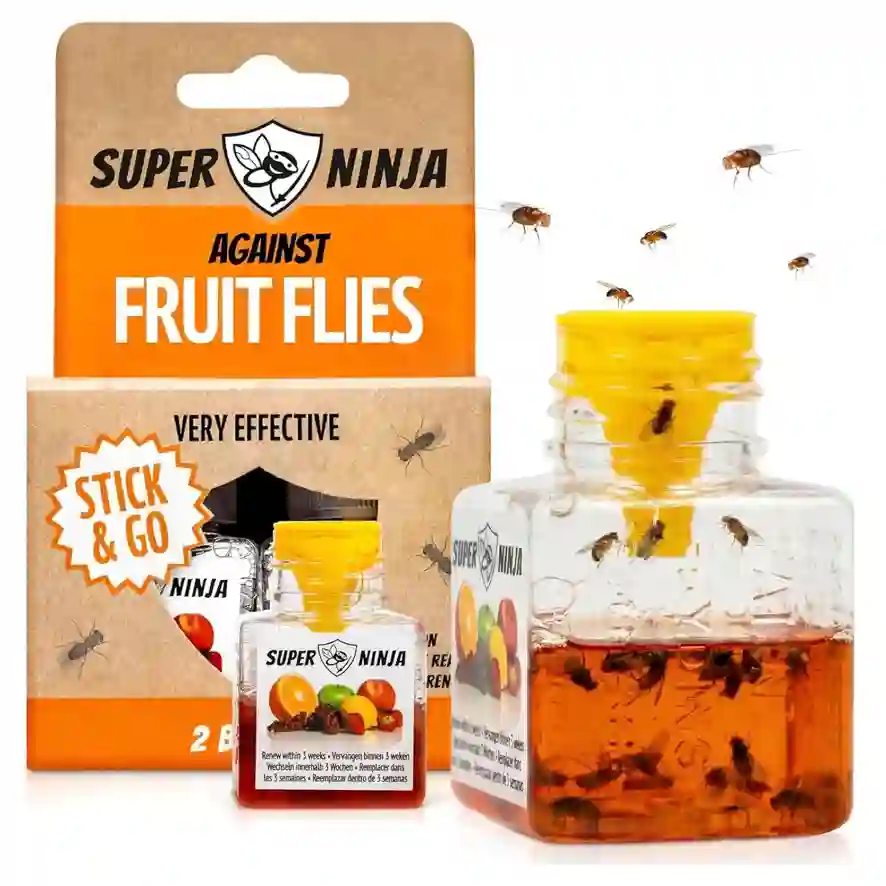
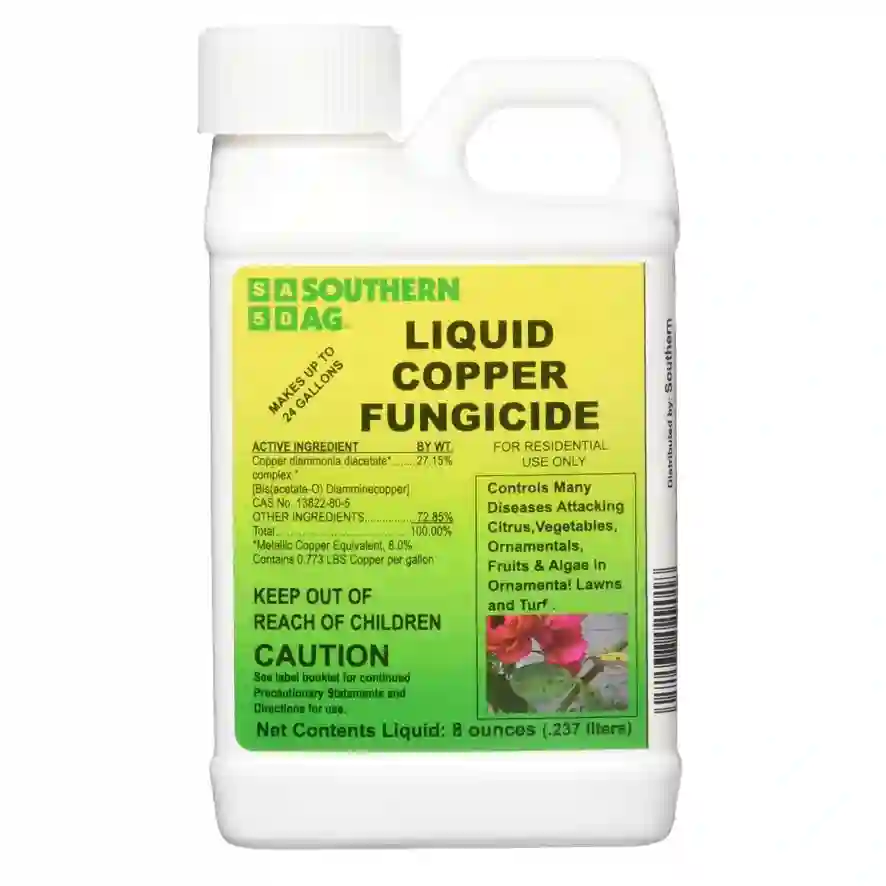


- Carry out regular monitoring of the crop to detect the presence of larvae and adults early.
- Implement crop rotations to avoid the accumulation of the pest in the same place.
- Promote the use of natural enemies, such as parasitoid wasps and predators such as lacewings and ladybugs.
- Use physical barriers, such as anti-insect mesh, to prevent adult moths from entering crops.
- Apply biological insecticides, such as Bacillus thuringiensis, which is specific for lepidopterans and less harmful to the environment.
- Avoid excessive use of chemical insecticides that can kill natural enemies and promote resistance in the pest.
- Maintain good crop hygiene, eliminating plant residues and weeds that could serve as a refuge for the pest.
- Implement integrated pest management (IPM) techniques to combine different control methods effectively.
- Use pheromone traps to monitor and reduce the population of adult moths.
- Keep plants well watered and fertilized to reduce stress and increase their natural resistance to pests.
Recommendations



Explore more tools
Services
Contact
Legal
©2023 por ZeriMar Laboratoire. Todos os direitos reservados.