

Bacteriosis
Crown Gall
Agrobacterium Tumefaciens
Pathogen:
Bacterium
Type:
Risk to the plant:
HIGH
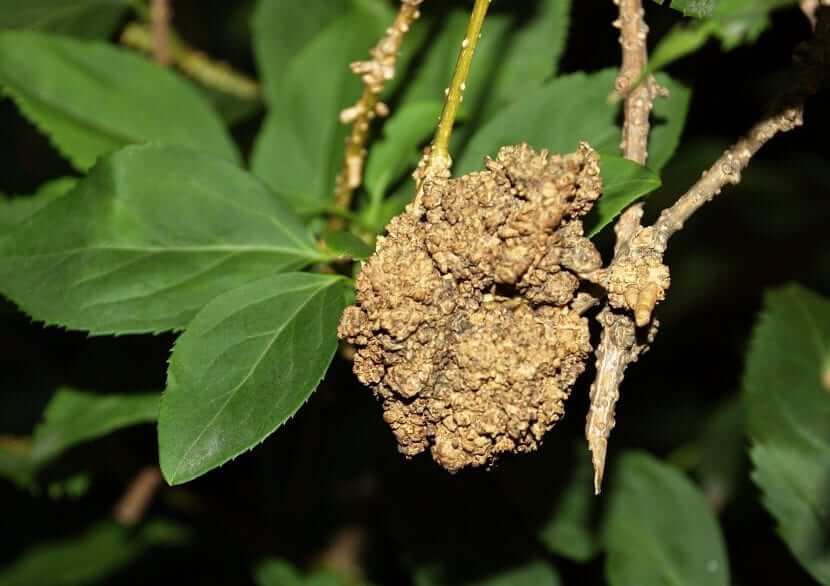
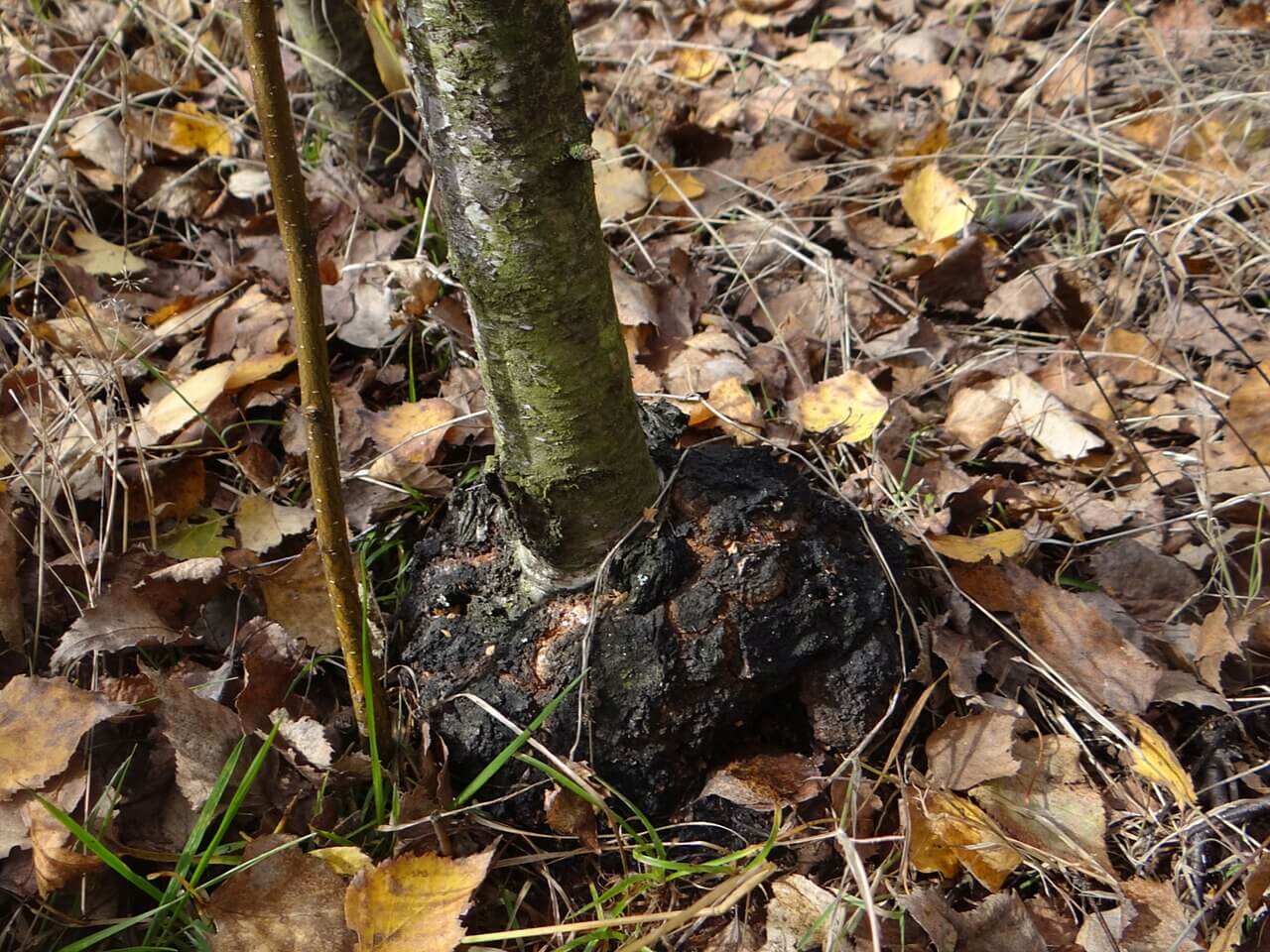

DESCRIPTION
WHO CAUSES IT?
Agrobacterium tumefaciens is a phytopathogenic bacteria that causes the disease known as crown gall in various plants. This pathogen is commonly found in soil and can survive for long periods in decomposing organic matter. The bacteria are introduced into the plant through wounds in the roots or stem, which can be caused by insects, nematodes, or agricultural practices. Once inside, A. tumefaciens transfers a part of its DNA (known as T-DNA) to the genome of the plant cell. This DNA transfers genes that induce the formation of tumors (galls) by causing uncontrolled production of plant growth hormones, such as auxins and cytokinins. These hormones cause excessive cell proliferation, forming the characteristic galls. As the disease progresses, the galls enlarge and can severely affect the health of the plant.
SYMPTOMS
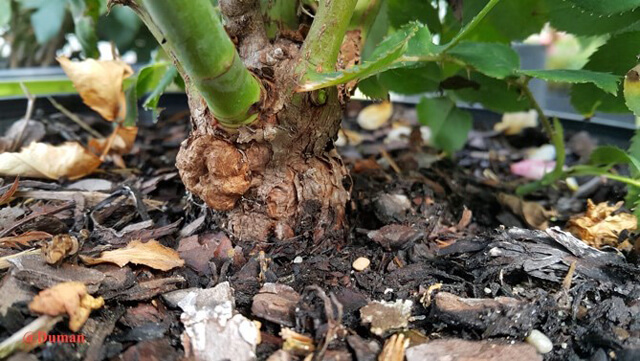
Crown gall affects pome fruit trees, causing tumors to develop at the base of the stem and roots. These tumors interfere with the absorption of water and nutrients, weakening the plant and reducing its productivity and vigor.
- Formation of rough galls of different sizes at the base of the stem and roots.
- General decay of the plant.
- Less vigor and slow growth.
- Reduction in fruit production.
- Wilting and chlorosis (yellowing) of the leaves.
- Death of branches and, in severe cases, of the entire plant.


TEMPERATURE AND HUMIDITY
18-28 °C
70-90 %

HOW IS IT SPREAD?
Contact with infected soil, contaminated irrigation water, contaminated pruning tools, infected grafts, infected planting material

HOW TO REMOVE IT?
Home remedies
There are no home treatments
Chemical treatments
• FOSETIL-AL 80% [WG] P/P
• CUPRIC HYDROXIDE 25% (EXPR. IN CU) [WG] P/P
• CUPRIC HYDROXIDE 50% (EXPR. IN CU) [WP] P/P
• COPPER OXYCHLORIDE 30% (EXPR. IN CU) [WP] P/P
• COPPER OXYCHLORIDE 35% (exp. in Cu) [WG] P/P
• COPPER OXYCHLORIDE 35% (EXPR. IN CU) [WG] P/P
• COPPER OXYCHLORIDE 38% (EXPR. IN CU) [SC] P/V
• COPPER OXYCHLORIDE 50% (EXPR. IN CU) [WP] P/P
• COPPER OXYCHLORIDE 52% (EXPR. IN CU) [SC] P/V
• CUPROUS OXIDE 50% (EXPR. IN CU) [WP] P/P
• CUPROCALCIC SULFATE 20% (EXPR. IN CU) [WG] P/P
• CUPROCALCIC SULFATE 20% (EXPR. IN CU) [WP] P/P
• TRIBASIC COPPER SULFATE 19% (EXPR. IN CU) [SC] P/V
Treatments allowed in organic farming
• CUPRIC HYDROXIDE 25% (EXPR. IN CU) [WG] P/P
• CUPRIC HYDROXIDE 50% (EXPR. IN CU) [WP] P/P
• COPPER OXYCHLORIDE 30% (EXPR. IN CU) [WP] P/P
• COPPER OXYCHLORIDE 35% (exp. in Cu) [WG] P/P
• COPPER OXYCHLORIDE 35% (EXPR. IN CU) [WG] P/P
• COPPER OXYCHLORIDE 38% (EXPR. IN CU) [SC] P/V
• COPPER OXYCHLORIDE 50% (EXPR. IN CU) [WP] P/P
• COPPER OXYCHLORIDE 52% (EXPR. IN CU) [SC] P/V
• CUPROUS OXIDE 50% (EXPR. IN CU) [WP] P/P
• CUPROCALCIC SULFATE 20% (EXPR. IN CU) [WG] P/P
• CUPROCALCIC SULFATE 20% (EXPR. IN CU) [WP] P/P
• TRIBASIC COPPER SULFATE 19% (EXPR. IN CU) [SC] P/V
Insect allies
PREDATORY MITES
LADYBUGS
LACEWINGS
PARASITIC WASPS
HOVERFLIES OR PARASITIC FLIES
PREDATORY BUGS
There are no natural allies
Mycodiplosis oidii (predatory mosquito)
EFFECTIVE PRODUCTS TO ELIMINATE THIS DISEASE
Sponsored link
Sponsored link


Sponsored link
Sponsored link
Sponsored link


Sponsored link
Sponsored link
Effective against all types of fungi

Sponsored link


Sponsored link
Sponsored link

Sponsored link


Sponsored link
- Use pathogen-free planting material, preferably certified.
- Avoid planting pome fruit trees in soils where the disease has been previously detected.
- Disinfect pruning tools and other agricultural equipment to prevent transmission of the pathogen.
- Implement crop rotations with non-host species to reduce pathogen pressure in the soil.
- Promote good soil drainage to avoid excess moisture that favors infection.
- Apply specific bactericides to recent plant wounds to prevent infection.
- Remove and destroy infected plants and their roots to prevent the spread of the pathogen.
- Regularly monitor crops to detect early symptoms of the disease.
Recommendations

Enjoy idMicrobe TOTALLY FREE, with no trial periods.


