

Alternariosis
Alternariosis
Alternaria Sp.
Pathogen:
Fungus
Type:
Risk to the plant:
HIGH

DESCRIPTION
WHO CAUSES IT?
Alternaria sp. is a genus of phytopathogenic fungi widely known to cause diseases in a variety of crops, including the fig tree. These fungi are ubiquitous in the environment and thrive in conditions of high humidity and moderate temperatures. Alternaria produces conidial spores that spread through air and water. Spores can survive in plant debris, soil, and infected seeds for long periods. When conditions are favorable, the spores germinate and penetrate the plant tissue through wounds or stomata. Once inside, the fungus develops a mycelium that invades the plant tissue, causing necrosis and cell death. The lesions produced release new spores that perpetuate the infectious cycle.
SYMPTOMS
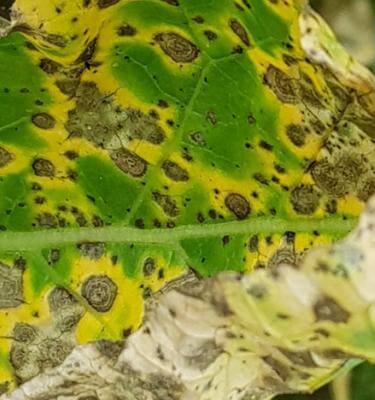
Alternariosis affects the fig tree, causing a series of symptoms that can weaken the plant and reduce the quality and quantity of the fruits. The disease initially manifests itself on the leaves, but can spread to other parts of the plant.
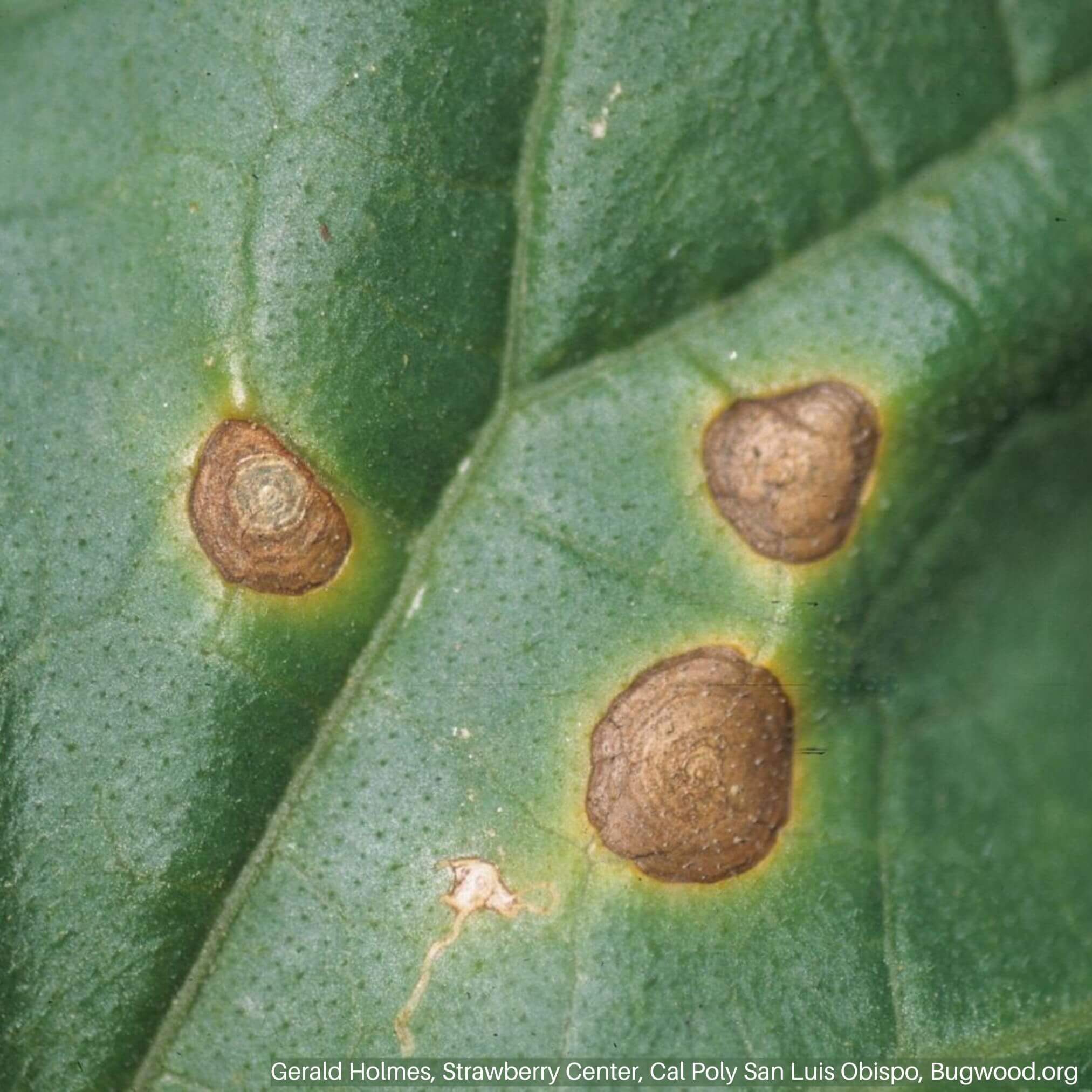
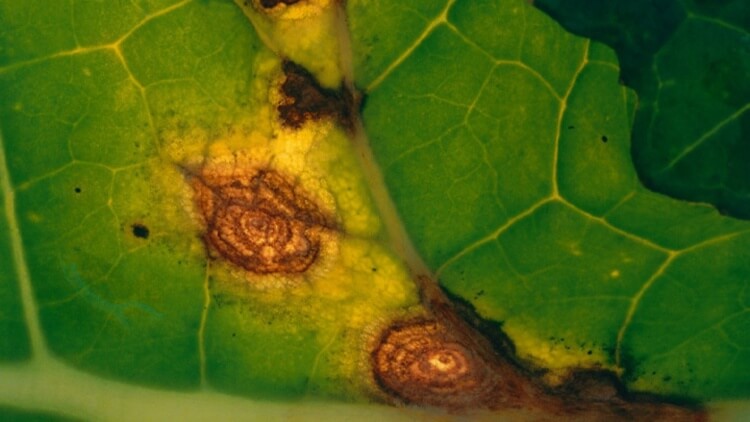
- Small, necrotic and dark Taches on the leaves
- Yellowish halo around the Taches
- Deformation and premature leaf fall
- Lesions on fruits that can lead to rot
- Loss of vigor in the plant
- Reduction in the size and quantity of fruits


TEMPERATURE AND HUMIDITY
20°C - 25°C
80% - 95%

HOW IS IT SPREAD?
Air, Irrigation water, Infected plant remains, Contaminated seeds, Agricultural tools

HOW TO REMOVE IT?
Home remedies
There are no home treatments
Chemical treatments
• COPPER OXYCHLORIDE 38% (EXPR. IN CU) [SC] P/V
• COPPER OXYCHLORIDE 70% (EXPR. IN CU) [SC] P/V
Treatments allowed in organic farming
• COPPER OXYCHLORIDE 38% (EXPR. IN CU) [SC] P/V
• COPPER OXYCHLORIDE 70% (EXPR. IN CU) [SC] P/V
Insect allies
PREDATORY MITES
LADYBUGS
LACEWINGS
PARASITIC WASPS
HOVERFLIES OR PARASITIC FLIES
PREDATORY BUGS
There are no natural allies
Mycodiplosis oidii (predatory mosquito)
EFFECTIVE PRODUCTS TO ELIMINATE THIS DISEASE
Sponsored link
Sponsored link


Sponsored link
Sponsored link
Sponsored link


Sponsored link
Sponsored link
Effective against all types of fungi

Sponsored link


Sponsored link
Sponsored link

Sponsored link


Sponsored link
- Use certified pathogen-free seeds.
- Implement an appropriate crop rotation to reduce the accumulation of Alternaria in the soil.
- Maintain good ventilation in the crop by pruning and proper spacing of the plants.
- Remove and destroy crop remains and infected leaves to reduce the source of inoculum.
- Avoid sprinkler irrigation and opt for drip irrigation to minimize moisture on the foliage.
- Apply preventive and curative fungicides according to technical recommendations, alternating active ingredients to avoid the development of resistance.
- Regularly monitor the crop to detect the first signs of the disease and act quickly.
- Improve soil drainage conditions to avoid waterlogging.
- Promote cultivation practices that strengthen the general health of plants, such as balanced fertilization.
- Train agricultural workers in the identification and proper management of the disease.
Recommendations

Enjoy idMicrobe TOTALLY FREE, with no trial periods.


