

Antracnosis
Anthracnose
Colletotrichum Gloesporioides
Pathogen:
Fungus
Type:
Risk to the plant:
HIGH
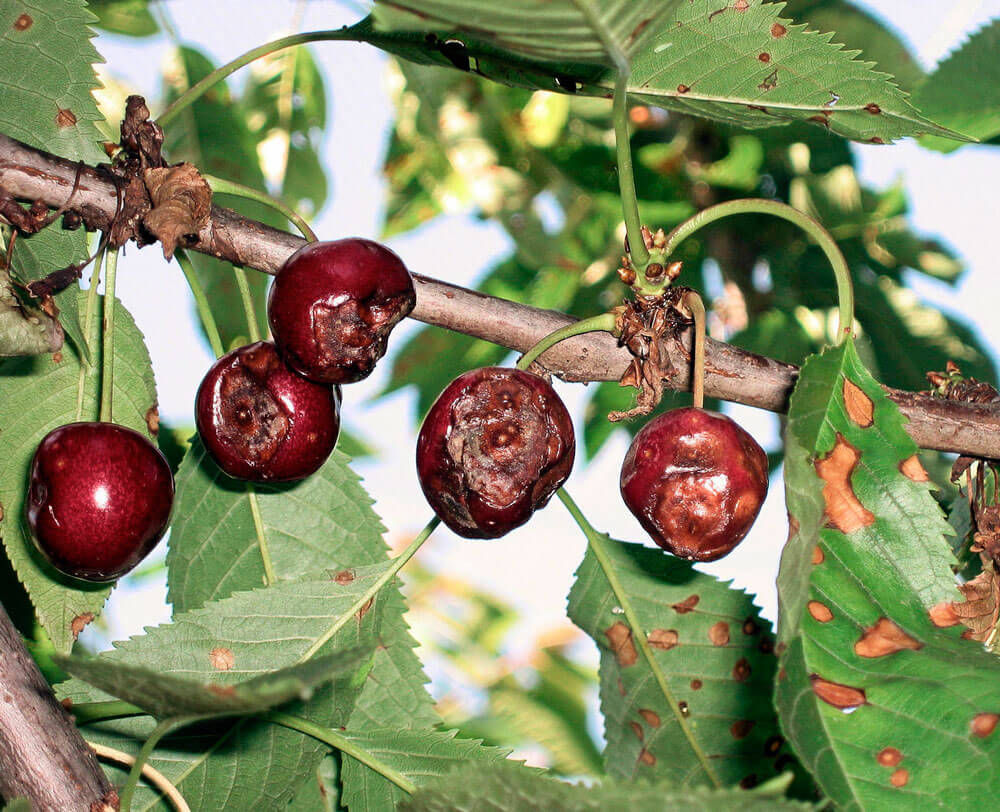
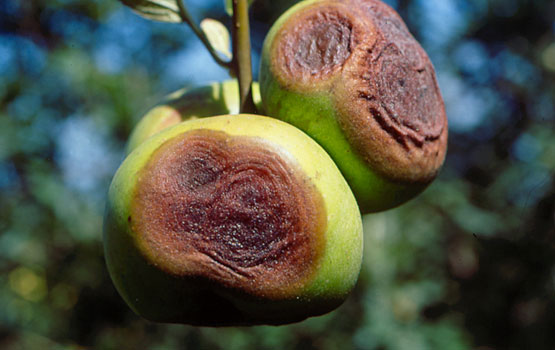

DESCRIPTION
WHO CAUSES IT?
Colletotrichum gloeosporioides is a pathogenic fungus that causes anthracnose in various crops, including pome fruit trees. This fungus is capable of surviving in infected plant remains and in the soil. Its reproduction occurs through spores that are spread by wind, rainwater or through contaminated tools. The fungus penetrates plant tissues through wounds or natural openings, such as stomata. Once inside the plant, the fungus forms appressoria, specialized structures that allow the invasion and colonization of plant cells. Infection is favored by conditions of high humidity and moderate temperatures, which allow the germination of spores and the development of the fungal mycelium. The disease can remain latent for long periods, becoming active when environmental conditions become favorable.
SYMPTOMS
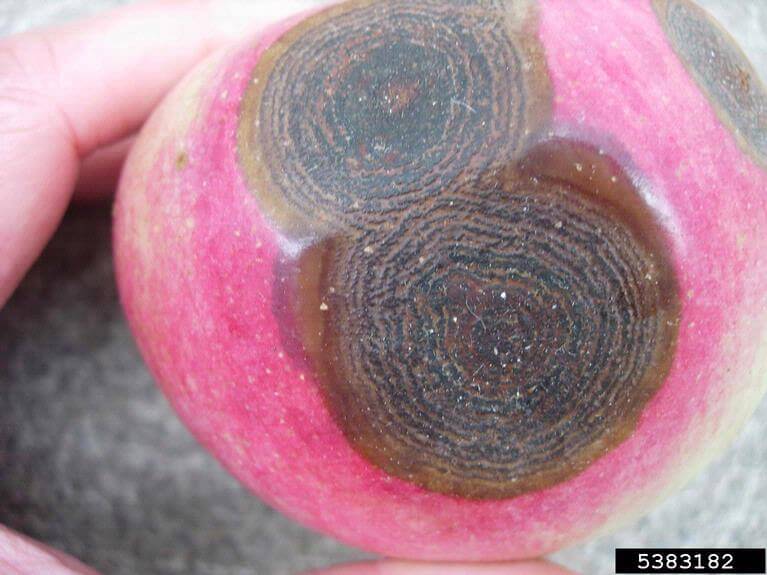
Anthracnose caused by Colletotrichum gloeosporioides significantly affects pome fruit trees, producing lesions that can compromise the quality and quantity of the harvest.
- Black Taches on fruits, leaves and branches
- Discoloration and premature leaf fall
- Formation of cankers on branches and trunks
- Fruits with sunken and rotten areas
- Delayed shoot growth
- Withering of young branches
- Reduction in fruit production


TEMPERATURE AND HUMIDITY
20-30°C
80-90%

HOW IS IT SPREAD?
Spores carried by wind, rainwater, contaminated tools, infected plant remains, insects

HOW TO REMOVE IT?
Home remedies
There are no home treatments
Chemical treatments
• CAPTAN 47.5% [SC] P/V
• CAPTAIN 80% [WG] P/P
• CIPRODINIL 37.5% + FLUDIOXONIL 25% [WG] P/P
• CUPRIC HYDROXIDE 13.6% (EXPR. IN CU) + COPPER OXYCHLORIDE 13.6% (EXPR. IN CU) [SC] P/V
• CUPRIC HYDROXIDE 25% (EXPR. IN CU) [WG] P/P
• CUPRIC HYDROXIDE 50% (EXPR. IN CU) [WP] P/P
• METIRAM 70% [WG] P/P
• COPPER OXYCHLORIDE 35% (exp. in Cu) [WG] P/P
• COPPER OXYCHLORIDE 35% (EXPR. IN CU) [WG] P/P
• COPPER OXYCHLORIDE 37.5% (EXPR. IN CU) [WG] P/P
• COPPER OXYCHLORIDE 38% (EXPR. IN CU) [SC] P/V
• COPPER OXYCHLORIDE 50% (EXPR. IN CU) [WP] P/P
• COPPER OXYCHLORIDE 52% (EXPR. IN CU) [SC] P/V
• CUPROCALCIC SULFATE 20% (EXPR. IN CU) [WG] P/P
• CUPROCALCIC SULFATE 20% (EXPR. IN CU) [WP] P/P
• CUPROCALCIC SULFATE 20% (EXPR. IN CU) [WG] P/P
Treatments allowed in organic farming
• CUPRIC HYDROXIDE 13.6% (EXPR. IN CU) + COPPER OXYCHLORIDE 13.6% (EXPR. IN CU) [SC] P/V
• CUPRIC HYDROXIDE 25% (EXPR. IN CU) [WG] P/P
• CUPRIC HYDROXIDE 50% (EXPR. IN CU) [WP] P/P
• COPPER OXYCHLORIDE 35% (exp. in Cu) [WG] P/P
• COPPER OXYCHLORIDE 35% (EXPR. IN CU) [WG] P/P
• COPPER OXYCHLORIDE 37.5% (EXPR. IN CU) [WG] P/P
• COPPER OXYCHLORIDE 38% (EXPR. IN CU) [SC] P/V
• COPPER OXYCHLORIDE 50% (EXPR. IN CU) [WP] P/P
• COPPER OXYCHLORIDE 52% (EXPR. IN CU) [SC] P/V
• CUPROCALCIC SULFATE 20% (EXPR. IN CU) [WG] P/P
• CUPROCALCIC SULFATE 20% (EXPR. IN CU) [WP] P/P
• CUPROCALCIC SULFATE 20% (EXPR. IN CU) [WG] P/P
Insect allies
PREDATORY MITES
LADYBUGS
LACEWINGS
PARASITIC WASPS
HOVERFLIES OR PARASITIC FLIES
PREDATORY BUGS
There are no natural allies
Mycodiplosis oidii (predatory mosquito)
EFFECTIVE PRODUCTS TO ELIMINATE THIS DISEASE
Sponsored link
Sponsored link


Sponsored link
Sponsored link
Sponsored link


Sponsored link
Sponsored link
Effective against all types of fungi

Sponsored link


Sponsored link
Sponsored link

Sponsored link


Sponsored link
- Carry out sanitary pruning to eliminate affected parts of the plant and improve air circulation.
- Apply fungicides in a preventive and curative manner, following the technical recommendations for their use.
- Maintain an adequate distance between plants to prevent the spread of the fungus.
- Avoid sprinkler irrigation that favors excessive humidity in the foliage.
- Implement crop rotations to reduce the accumulation of inoculum in the soil.
- Use varieties of pome fruit trees that are resistant or tolerant to anthracnose.
- Disinfect pruning and work tools with appropriate solutions before and after use.
- Control weeds that may serve as hosts for the fungus.
- Promote good soil drainage to avoid flooding.
- Carry out frequent monitoring to detect the first symptoms of the disease and act quickly.
Recommendations

Enjoy idMicrobe TOTALLY FREE, with no trial periods.


