

Araña roja
Red Spider
Tetranycus Urticae
Pathogen:
Insect
Type:
Risk to the plant:
HIGH


DESCRIPTION
WHO CAUSES IT?
Tetranychus urticae, commonly known as the red spider, is a phytophagous mite that infests a wide variety of plants, including blackberries. This mite is extremely small, approximately 0.5 mm in length, and ranges in color from greenish-yellow to red. Reproduction of Tetranychus urticae is rapid and prolific, with females laying up to 100 eggs in their lifetime. The eggs hatch into larvae that go through several stages of development: larva, protonymph, deutonymph and adult. Each of these stages lasts a few days, depending on environmental conditions, particularly temperature and humidity. Adults and nymphs feed by piercing plant cells and sucking their contents, which weakens the plant and reduces its photosynthetic capacity. Spider mites also produce fine webs that protect colonies from predators and adverse conditions. Under optimal conditions, their entire life cycle can be as little as one to two weeks, allowing for multiple generations in a single growing season.
SYMPTOMS
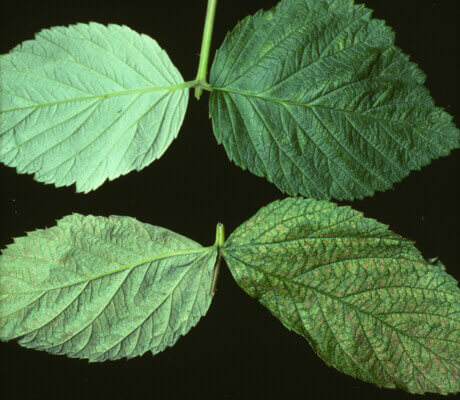
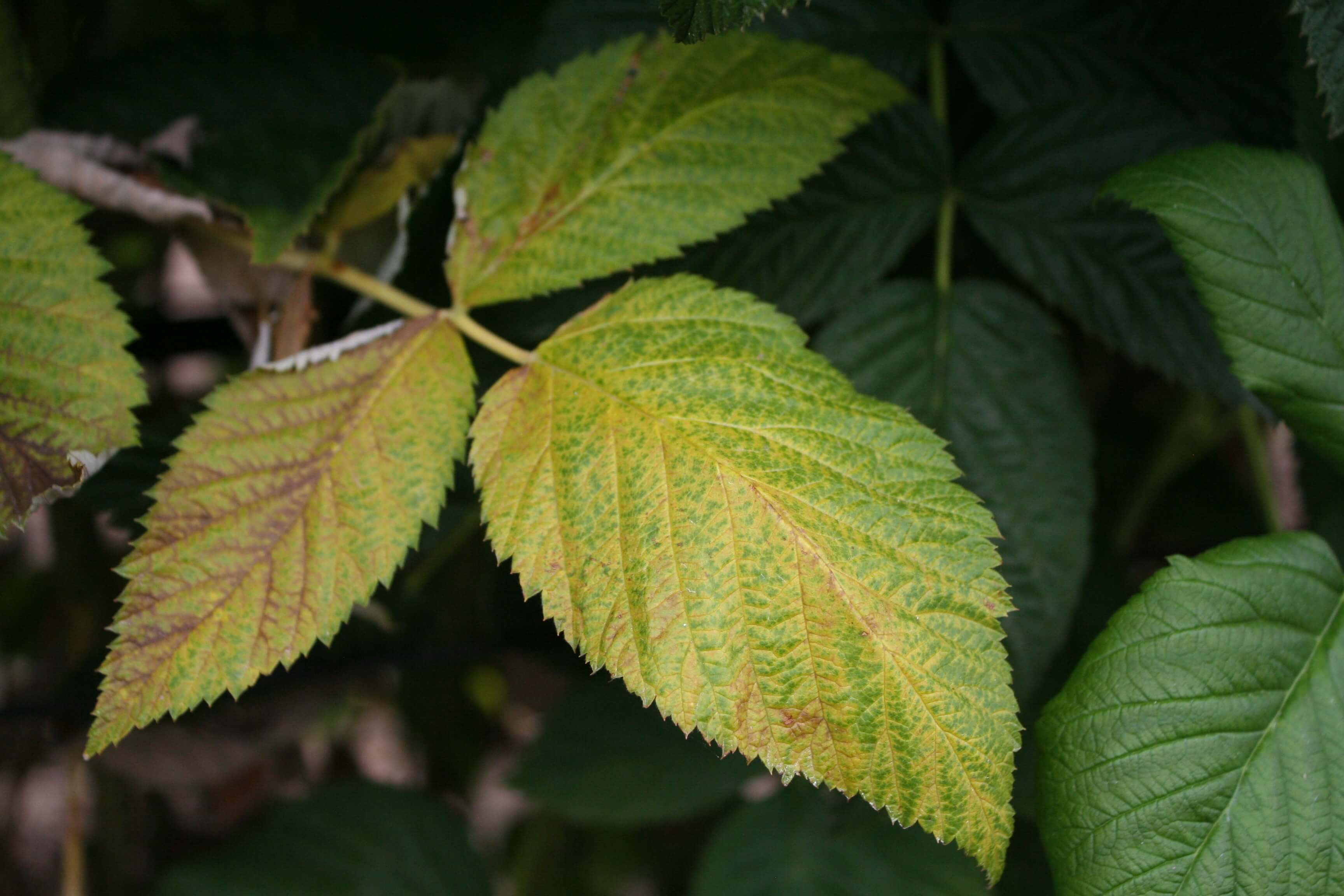
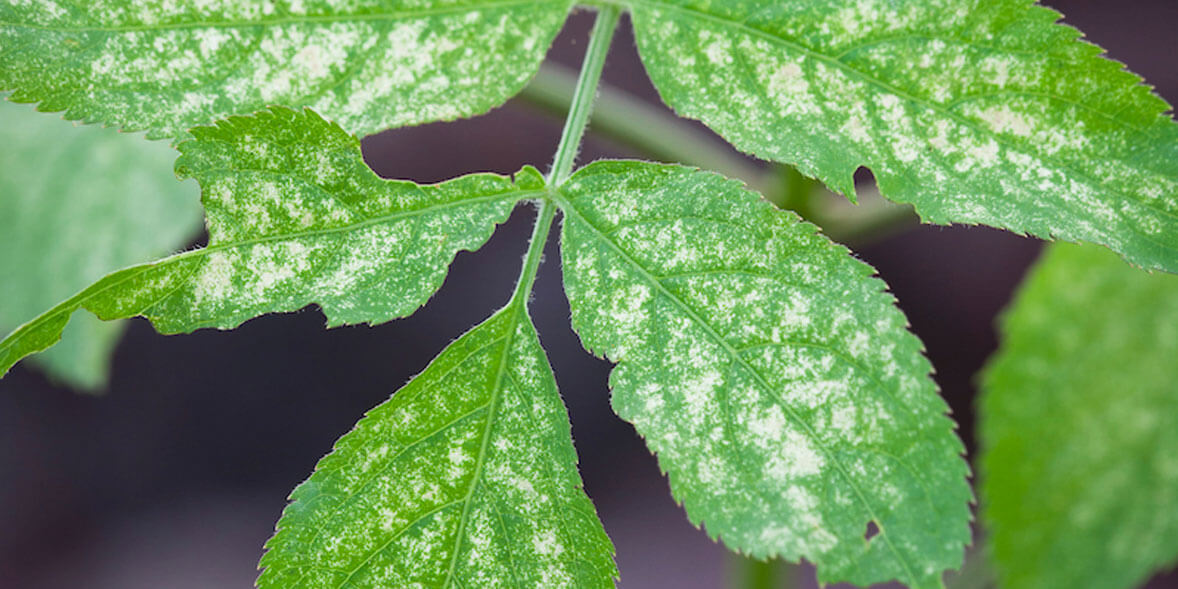
The red spider causes a disease in blackberries that manifests itself through various symptoms that affect the health and productivity of the plant. These mites suck out the cellular contents of the leaves, causing a significant decrease in photosynthesis and overall plant vigor. Severe infestation can lead to defoliation and a considerable reduction in fruit quality and quantity.
- Leaves with small yellow or whitish Taches.
- Appearance of fine cobwebs on the underside of the leaves and in the tender parts of the plant.
- Leaves that turn brown and fall prematurely.
- Delay in the growth and development of the plant.
- Deformed and smaller fruits.
- Reduction in production and quality of fruits.


TEMPERATURE AND HUMIDITY
25°C a 30°C
40% a 60%

HOW IS IT SPREAD?
Wind, Infested plants, Contaminated tools, Transport of plants and fruits, Field personnel

HOW TO REMOVE IT?
Home remedies
There are no home treatments
Chemical treatments
• RAPE OIL 1.53% [AL] P/V
• RAPE OIL 848.24 g/l [EC] P/V
• ORANGE OIL 60g/L [ME] P/S
• PARAFFIN OIL (CAS [8042-47-5]) 54.6% [EW] P/V
• PARAFFIN OIL (CAS [97862-82-3]) 80% [EC] P/V
• SULFUR 70% [SC] P/V
• SULFUR 72% [SC] P/V
• SULFUR 80% [WG] P/P
• PHENPIROXIMATE 5.12% [SC] P/V
• MILBEMECTIN 0.93% [EC] P/V
Treatments allowed in organic farming
• RAPE OIL 1.53% [AL] P/V
• RAPE OIL 848.24 g/l [EC] P/V
• ORANGE OIL 60g/L [ME] P/S
• PARAFFIN OIL (CAS [8042-47-5]) 54.6% [EW] P/V
• PARAFFIN OIL (CAS [97862-82-3]) 80% [EC] P/V
• SULFUR 70% [SC] P/V
• SULFUR 72% [SC] P/V
• SULFUR 80% [WG] P/P
Insect allies
PREDATORY MITES
LADYBUGS
LACEWINGS
PARASITIC WASPS
HOVERFLIES OR PARASITIC FLIES
PREDATORY BUGS
There are no natural allies
Mycodiplosis oidii (predatory mosquito)
EFFECTIVE PRODUCTS TO ELIMINATE THIS DISEASE
Sponsored link
Sponsored link


Sponsored link
Sponsored link
Sponsored link


Sponsored link
Sponsored link
Effective against all types of fungi

Sponsored link


Sponsored link
Sponsored link

Sponsored link


Sponsored link
- Implement regular monitoring practices to early detect the presence of red spiders in the blackberry crop.
- Use natural enemies, such as predatory mites (Phytoseiulus persimilis) and lacewings, for biological control of the pest.
- Apply specific acaricides on a rotating basis to avoid the development of resistance, following technical recommendations.
- Maintain adequate hydration of plants, since water stress can increase susceptibility to infestation.
- Avoid excessive use of nitrogen fertilizers, which can favor the proliferation of red spider mites.
- Implement physical barriers such as meshes to prevent the spread of mites.
- Carry out maintenance pruning to improve air circulation and reduce relative humidity in the foliage.
- Maintain good garden hygiene, eliminating plant debris and weeds that may serve as shelter.
Recommendations

Enjoy idMicrobe TOTALLY FREE, with no trial periods.


