


Chinches
Bed bugs: what they are, how they originate, and how to eliminate them effectively
Bed Bugs
Lygus Lineolaris, Chelinidea Tabulate, Etc...
Pathogen:
Insect
Type:
Risk to the plant:
HIGH

DESCRIPTION
WHO CAUSES IT?
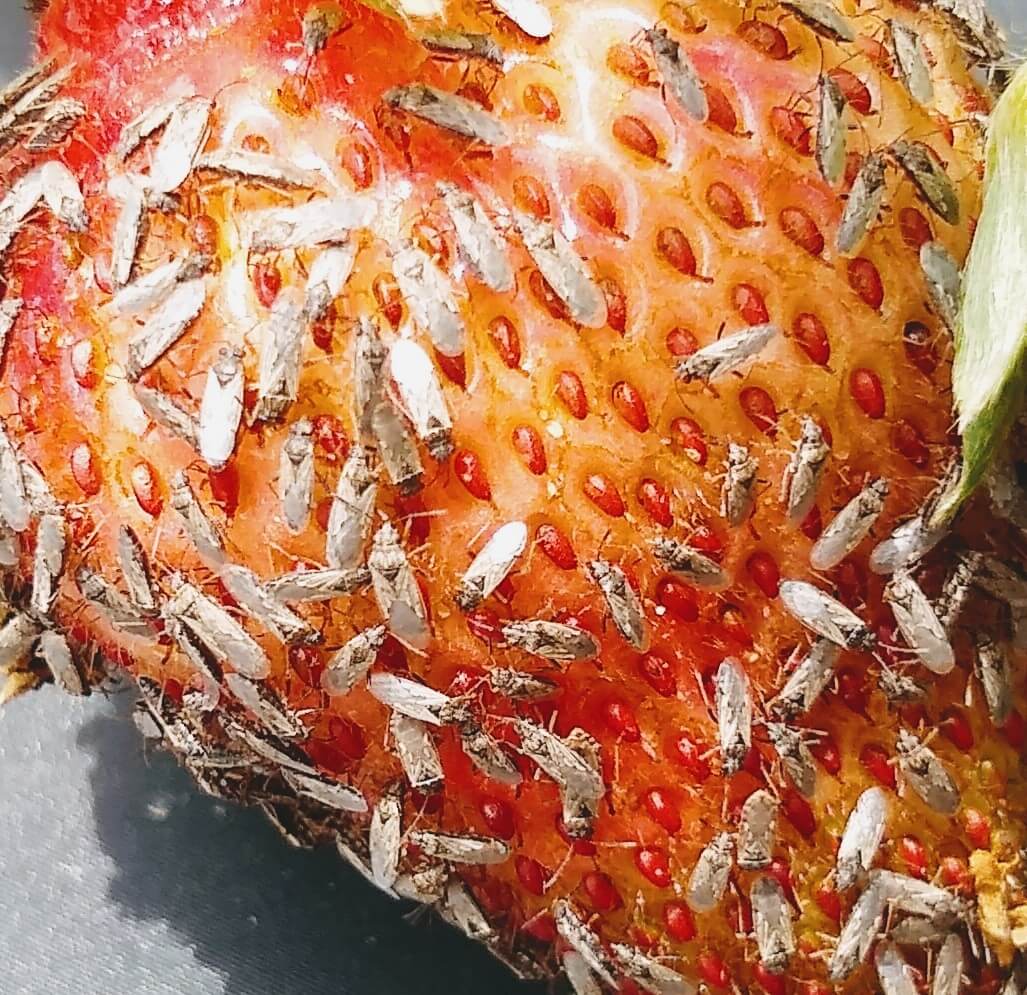
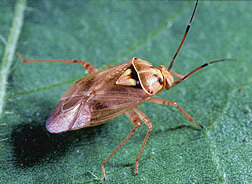
The pathogens Lygus lineolaris and Chelinidea tabulata are species of bugs that affect a wide range of crops, including berries. Lygus lineolaris, known as the tarnished plant bug, and Chelinidea tabulata, known as the cactus bug, have life cycles that include egg, several nymphal, and adult stages. The eggs are deposited in plant tissues, where they hatch into nymphs that go through several molts before becoming adults. Adults and nymphs feed on plants by piercing tissues with their mouthparts and sucking cell juices, causing direct damage to plant tissues and possible transmission of pathogens. These insects are very mobile and can easily move between plants, increasing the difficulty of controlling them.
SYMPTOMS
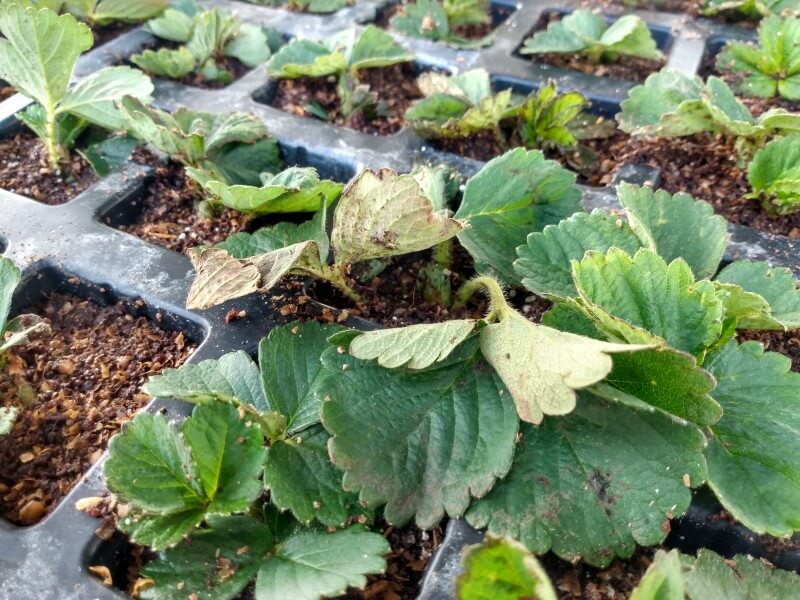
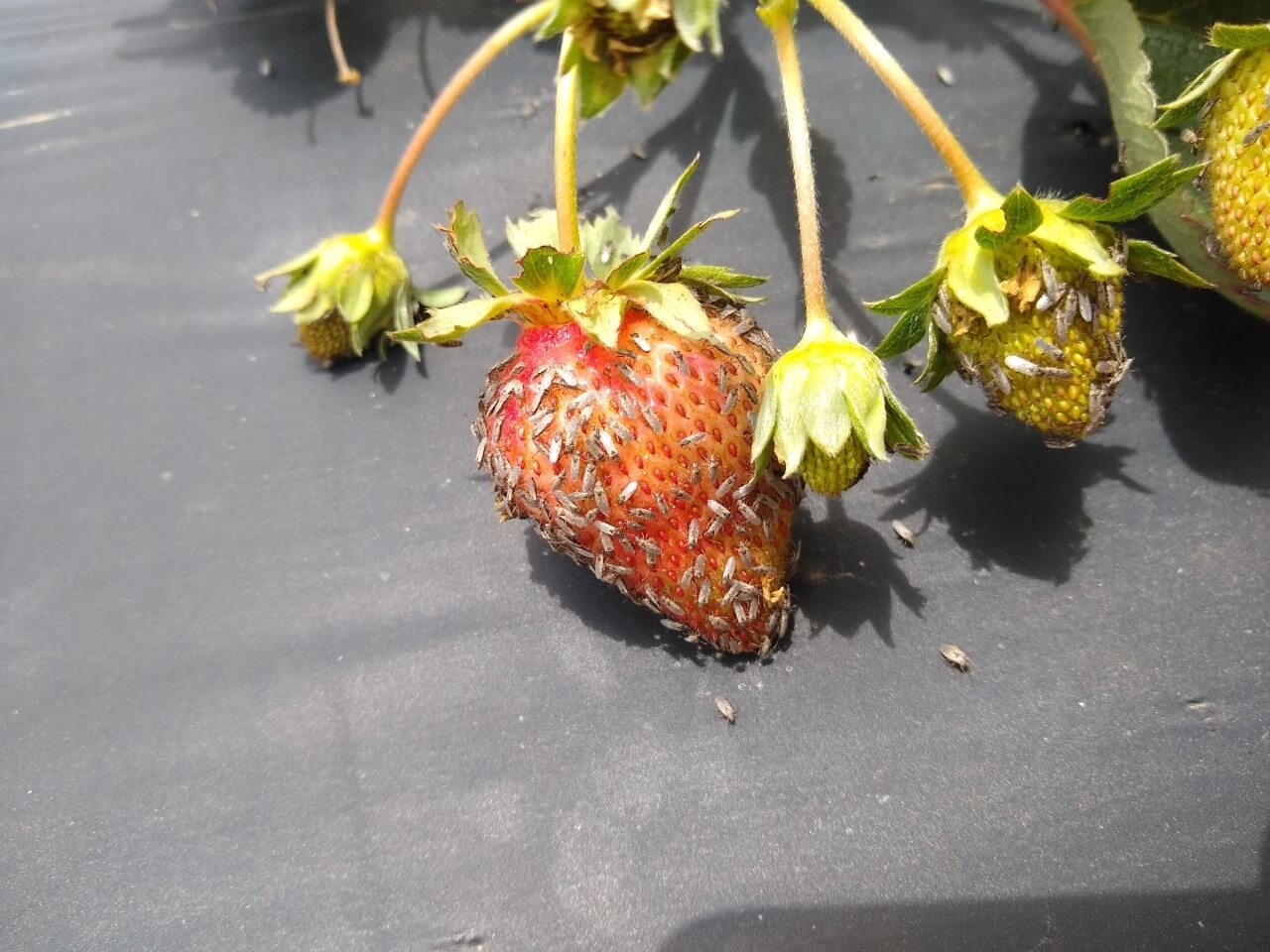
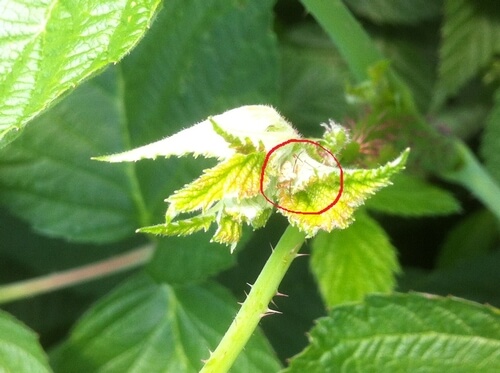
In berries, stink bugs cause a disease characterized by physical and quality damage to the fruits and other parts of the plant. Bed bug feeding causes stains and deformations in the fruits, which reduces their quality and commercial value. Additionally, affected leaves and shoots may show deformation, necrosis and premature shedding, affecting the overall performance of the plant.
- Taches and deformations on the fruits.
- Necrosis in leaves and shoots.
- Premature fall of leaves.
- Reduction in plant performance.
- Malformations in the fruits.
- Discoloration and lesions on the surface of the fruits.

TEMPERATURE AND HUMIDITY
20°C - 35°C
40% - 80%

HOW IS IT SPREAD?
Wind, Movement of infected plants, Contaminated tools, Direct contact between plants, Clothing and hands of workers

HOW TO REMOVE IT?
Home remedies
There are no home treatments
Chemical treatments
• ORANGE OIL 60g/L [ME] P/S
• AZADIRACTIN 1% (AS AZADIRACTIN A) [EC] P/V
• LAMBDA CYHALOTHRIN 0.0015% [ME] P/V
• LAMBDA CYHALOTHRIN 1.5% [CS] P/V
• LAMBDA CYHALOTHRIN 10% [CS] P/V
Treatments allowed in organic farming
• ORANGE OIL 60g/L [ME] P/S
• AZADIRACTIN 1% (AS AZADIRACTIN A) [EC] P/V
• LAMBDA CYHALOTHRIN 0.0015% [ME] P/V
• LAMBDA CYHALOTHRIN 1.5% [CS] P/V
• LAMBDA CYHALOTHRIN 10% [CS] P/V
Insect allies
PREDATORY MITES
LADYBUGS
LACEWINGS
PARASITIC WASPS
HOVERFLIES OR PARASITIC FLIES
PREDATORY BUGS
There are no natural allies
Mycodiplosis oidii (predatory mosquito)
EFFECTIVE PRODUCTS TO ELIMINATE THIS DISEASE

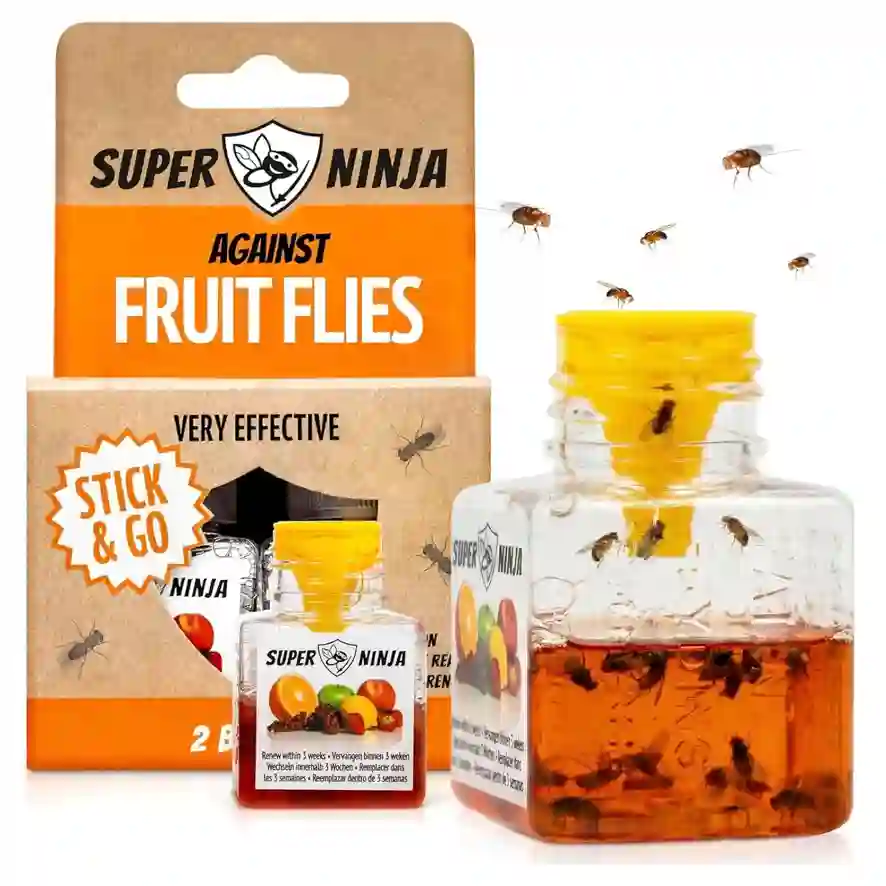
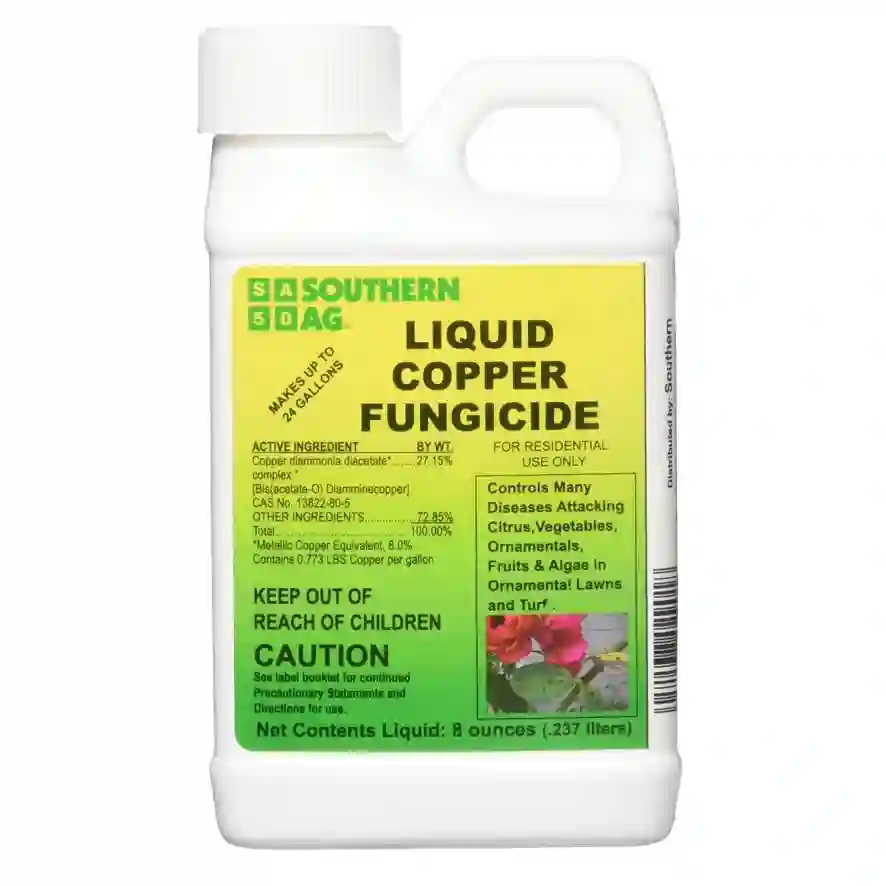


- Regularly monitor crops to detect the early presence of bed bugs.
- Implement physical barriers such as fine mesh to prevent the entry of bed bugs.
- Use sticky traps and pheromones to monitor and reduce the bed bug population.
- Introduce natural enemies such as parasitoid wasps and predatory mites.
- Apply selective insecticide treatments and rotate different chemical groups to avoid resistance.
- Maintain the health of the crop by eliminating weeds and plant debris that may harbor bedbugs.
- Carry out sanitary pruning to eliminate infested plant parts.
- Promote biodiversity in the crop environment to balance ecosystems and reduce the population of bed bugs.
- Implement integrated pest management (IPM) techniques to combine biological, cultural and chemical methods.
- Encourage the use of cover crops and living barriers to reduce the migration of stink bugs to berry crops.
Recommendations



Explore more tools
Services
Contact
Legal
©2023 por ZeriMar Laboratoire. Todos los derechos reservados.