

Moscas de la fruta
Fruit Fly
Drosophila Suzukii
Pathogen:
Insect
Type:
Risk to the plant:
HIGH
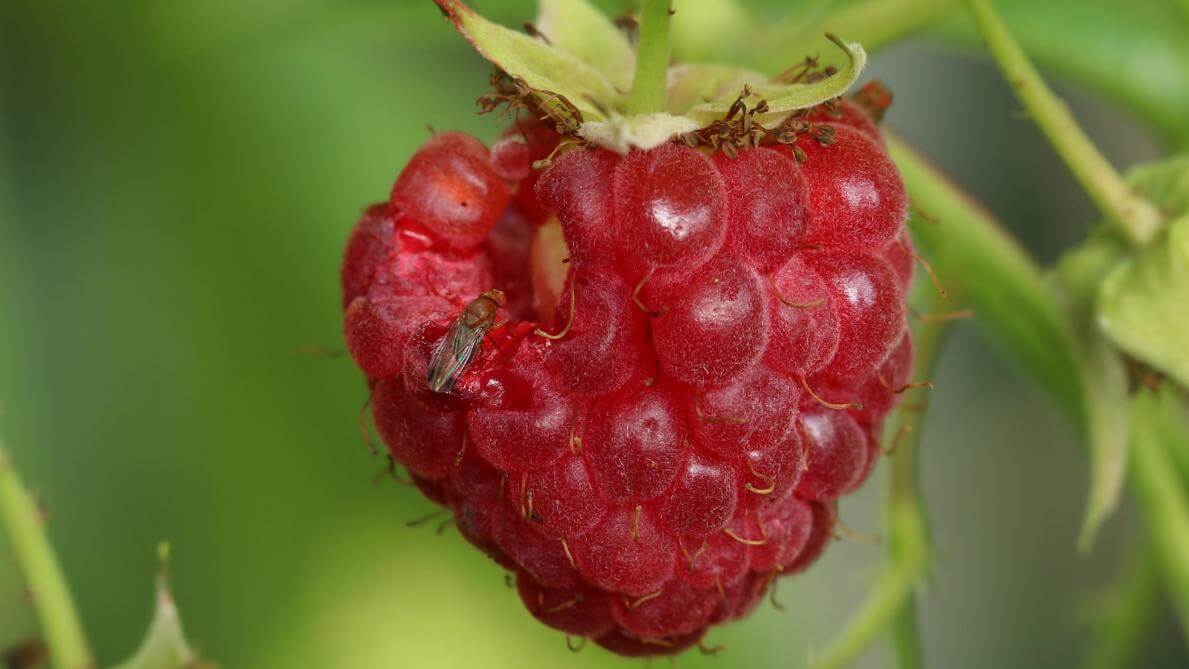
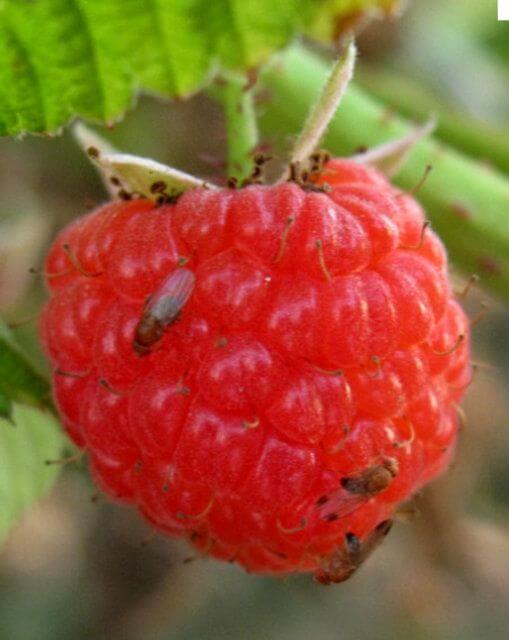

DESCRIPTION
WHO CAUSES IT?
Drosophila suzukii, commonly known as the fruit fly, is a dipteran of the Drosophilidae family. This pathogen is particularly devastating due to its ability to lay eggs on fresh, healthy fruits. Adults are small, light brown with distinctive red eyes, and females possess a toothed ovipositor that allows them to pierce the skin of fruits to deposit their eggs. After oviposition, the larvae emerge and begin to feed on the inside of the fruit, going through three larval stages before pupating. Pupation can occur inside the fruit or in the nearby soil. The entire cycle from egg to adult can be completed in as little as one to two weeks under favorable conditions, allowing for multiple generations per year. Adults are highly mobile and can disperse widely in search of suitable hosts. The ability of D. suzukii to infest a wide variety of berries and other soft fruits gives it a high potential for agricultural damage.
SYMPTOMS
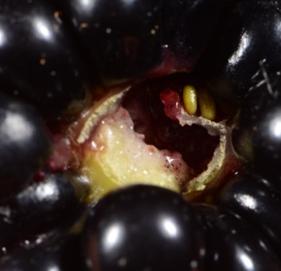
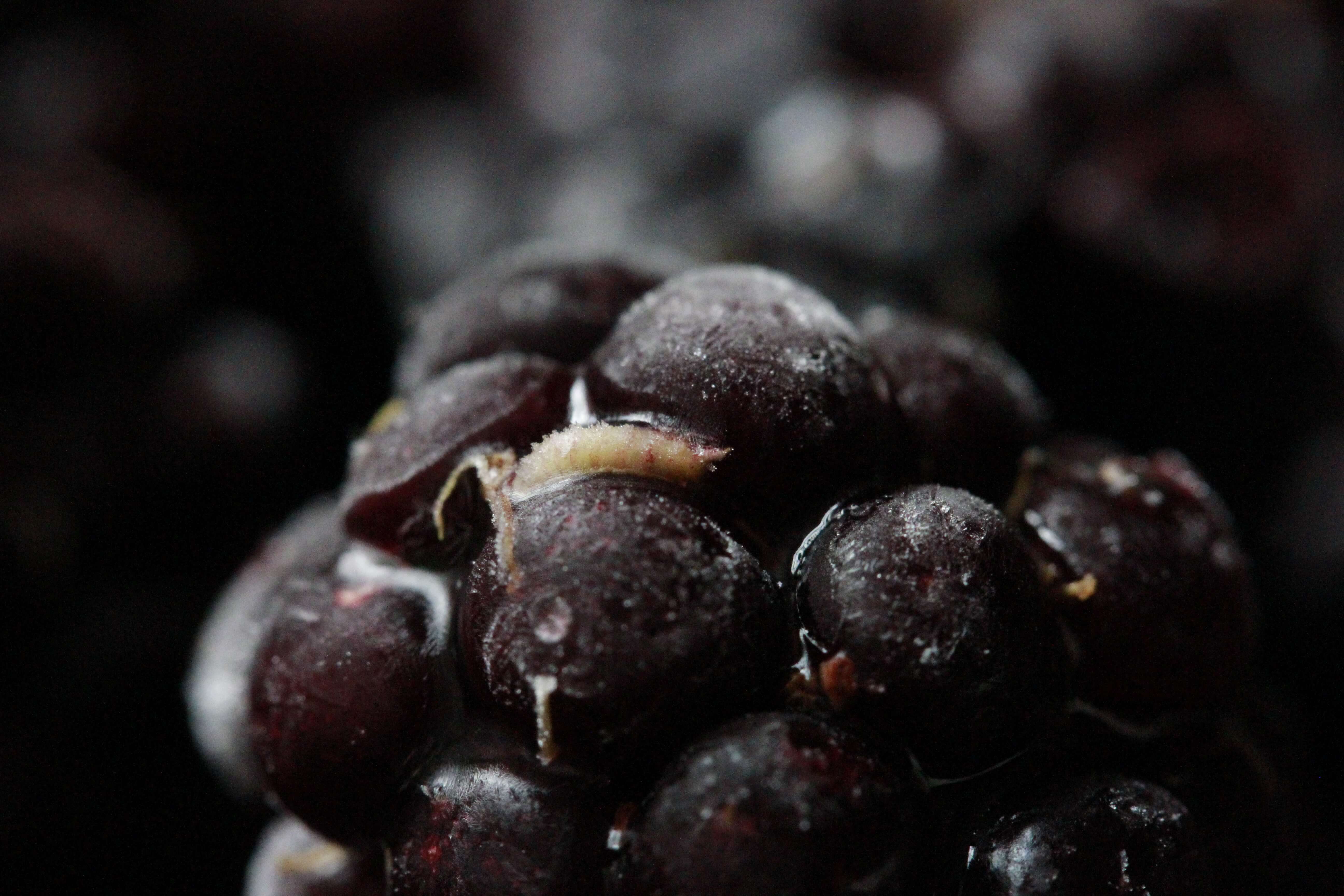
In berries, Drosophila suzukii causes a disease known as fruit fly, which causes significant damage to the quality and quantity of the harvest. Females lay their eggs in healthy fruits, and the larvae that emerge feed on the inside of the fruits, causing internal decay that is visible externally as Taches and softening. Infestation can result in complete loss of affected fruit and rapid spread of the disease to other nearby plants.
- Soft and discolored Taches on the fruit
- Small holes on the surface of the fruit, where females have laid eggs
- Internal decomposition of the fruit, making it unsuitable for consumption
- Presence of larvae visible inside the fruit
- Premature fall of the affected fruit
- Increased attraction of other insects and secondary pathogens due to decomposition


TEMPERATURE AND HUMIDITY
20-28°C
60-90%

HOW IS IT SPREAD?
Movement of infected fruits, contaminated tools, transport of soil and plant residues, active dispersal of adults, wind

HOW TO REMOVE IT?
Home remedies
There are no home treatments
Chemical treatments
• Drosophila suzukii attractant
• DELTAMETHRIN 0.015g/trap [RB] P/P
• Drosophila suzukii (Pheromone)
• LAMBDA CYHALOTHRIN 10% [CS] P/V
• PYRETHRINS 4.65% (as pyrethrum extract) [EC] P/V
• POTASSIUM SALTS OF FATTY ACIDS C14-C20 48% [EW] P/V
• SPINETORAM 2.5% [SC] P/V
• SPINOSAD 48% [SC] P/V
• TRAPS
• TRAPS FOR DROSOPHILA SUZUKII
Treatments allowed in organic farming
• Drosophila suzukii attractant
• DELTAMETHRIN 0.015g/trap [RB] P/P
• Drosophila suzukii (Pheromone)
• LAMBDA CYHALOTHRIN 10% [CS] P/V
• PYRETHRINS 4.65% (as pyrethrum extract) [EC] P/V
• POTASSIUM SALTS OF FATTY ACIDS C14-C20 48% [EW] P/V
• SPINOSAD 48% [SC] P/V
• TRAPS
• TRAPS FOR DROSOPHILA SUZUKII
Insect allies
PREDATORY MITES
LADYBUGS
LACEWINGS
PARASITIC WASPS
HOVERFLIES OR PARASITIC FLIES
PREDATORY BUGS
There are no natural allies
Mycodiplosis oidii (predatory mosquito)
EFFECTIVE PRODUCTS TO ELIMINATE THIS DISEASE
Sponsored link
Sponsored link


Sponsored link
Sponsored link
Sponsored link


Sponsored link
Sponsored link
Effective against all types of fungi

Sponsored link


Sponsored link
Sponsored link

Sponsored link


Sponsored link
- Regularly monitor crops with specific traps to detect the early presence of adults.
- Implement sanitation practices, eliminating and destroying fallen and affected fruits.
- Use exclusion meshes to protect crops from the entry of adults.
- Apply authorized insecticides, rotating active ingredients to avoid resistance.
- Install attraction and death traps to reduce the adult population in the environment.
- Implement biological controls using natural enemies such as parasitoid wasps.
- Maintain a detailed record of the presence and quantity of the pest to adjust management strategies.
- Carry out frequent and complete harvests to reduce the time that ripe fruits are available for oviposition.
- Implement integrated pest management (IPM) systems that combine chemical, biological and cultural methods.
- Train agricultural workers in the identification and proper management of D. suzukii.
Recommendations

Enjoy idMicrobe TOTALLY FREE, with no trial periods.


